“You’re not actually going to eat that, are you?” My roommate peered over my shoulder at the sad, dry packet of instant ramen I was about to microwave. She had a point. It was 9 PM on a Tuesday, I was tired, and my dinner plans were basically a salt bomb in a Styrofoam cup. I put the packet down, sighed, and said something I didn’t really mean: “No, I’m going to make something better.” And then I had to follow through.
That night, I raided the fridge like a contestant on a cooking show. I found a half-used stick of butter, a head of garlic that was starting to sprout, and a bottle of sriracha with about two tablespoons left. I grabbed a pack of instant ramen (the only kind I had), and I just started cooking. I melted the butter in a hot skillet, tossed in way more garlic than any recipe would dare call for, and let it sizzle until the whole apartment smelled like a restaurant. I added the sriracha, threw in the cooked noodles, and tossed everything together until every strand was coated in that glossy, spicy, garlicky goodness.
The first bite was a revelation. It wasn’t just “better” — it was genuinely, unapologetically delicious. The butter made the noodles silky, the garlic was punchy and aromatic, and the heat from the sriracha woke up every taste bud I had. I ate the whole bowl standing at the counter, and I knew I had stumbled onto something I’d be making for years. This Spicy Garlic Butter Ramen Noodle Stir-Fry is the result of that happy accident. It’s proof that you don’t need a fancy grocery list or a culinary degree to make something that feels special. Sometimes the best recipes come from a moment of desperation and a little bit of kitchen courage.
Why You’ll Love This Recipe
Let me tell you why this stir-fry has become my go-to dinner, whether I’m cooking for myself or feeding a hungry group. It’s not just good — it’s the kind of meal that makes you forget you were ever tired in the first place.
- Quick & Easy: From start to finish, this dish comes together in under 15 minutes. It’s faster than ordering takeout, and way more satisfying. Perfect for those nights when you need dinner on the table before your energy runs out.
- Simple Ingredients: You probably have everything you need in your pantry right now. Ramen noodles, butter, garlic, soy sauce, and a spicy element of your choice. No fancy trips to the specialty store required.
- Perfect for Busy Weeknights: This isn’t a weekend project. It’s a Tuesday night lifesaver. Whether you’re a student, a parent, or just someone who wants a great meal without the fuss, this recipe works for you.
- Crowd-Pleaser: I’ve served this to friends who swore they didn’t like spicy food, and they went back for seconds. The butter balances the heat beautifully, making it approachable for almost everyone.
- Unbelievably Delicious: The texture is what gets me every time. The noodles are chewy, the sauce is rich and glossy, and every bite has that perfect balance of savory, spicy, and buttery. It’s comfort food that hits every note.
What makes this recipe different from all the other ramen stir-fries out there? It’s the technique. Most recipes just toss the noodles in a sauce and call it a day. But here, we bloom the garlic in melted butter first, letting it infuse the fat with its flavor. Then we add the spice and let it mingle before the noodles even touch the pan. The result is a sauce that clings to every strand, not a watery broth that sits at the bottom of the bowl.
This isn’t just another version of spicy noodles. It’s the version you’ll actually want to make again and again. It’s the one that saves you from a boring dinner, the one that makes you feel like a kitchen hero with zero effort. Honestly, the first time I made this for my family, my brother asked if I had secretly taken a cooking class. I just smiled and said, “Nope, just butter and garlic.”
What Ingredients You Will Need
This recipe uses simple, humble ingredients to create something that tastes far greater than the sum of its parts. Most of these are pantry staples, which is exactly why this recipe works so well on a whim.
- Instant Ramen Noodles (2 packets): Discard the seasoning packets — we’re making our own sauce. I prefer the classic square blocks of ramen, but any instant noodles will work. The curly texture of ramen is perfect for grabbing onto the sauce.
- Unsalted Butter (3 tablespoons): Butter is the soul of this dish. It creates a rich, silky base for the sauce and mellows out the heat from the chili. Use unsalted so you can control the salt level. If you only have salted butter, reduce the added soy sauce slightly.
- Fresh Garlic (5-6 cloves, minced): This is non-negotiable. Fresh garlic gives you that pungent, aromatic punch that pre-minced garlic just can’t replicate. I’ve tried both, and fresh wins every time. Mince it finely so it melts into the butter.
- Soy Sauce (2 tablespoons): This provides the salty, umami backbone. I use low-sodium soy sauce to keep things balanced, but regular works fine too. For a gluten-free option, use tamari or coconut aminos.
- Sriracha (1-2 tablespoons): This is my go-to for heat because it has a nice vinegar tang that brightens the sauce. You can adjust the amount based on your spice tolerance. Start with 1 tablespoon and add more if you want it hotter.
- Brown Sugar (1 tablespoon, packed): A little sweetness rounds out the heat and salt. It caramelizes slightly in the pan, adding depth. You can substitute with honey or maple syrup if that’s what you have.
- Sesame Oil (1 teaspoon): This is optional but highly recommended. A drizzle at the end adds a nutty, toasty flavor that makes the dish taste restaurant-quality.
- Green Onions (3-4, sliced): For garnish and a fresh, mild onion crunch. They add color and a welcome textural contrast.
- Optional Protein Add-Ins: Cooked chicken, shrimp, beef, or tofu. If you want to make it a heartier meal, toss in some protein after cooking the garlic. For a simple option, try our healthy chicken veggie skillet wraps for inspiration on pre-cooked chicken you could add.
- Optional Vegetables: A handful of spinach, some shredded carrots, or bell pepper strips. Add them after the garlic and let them soften before adding the noodles.
Ingredient Selection Tips: For the best texture, look for ramen noodles that are thick and curly. The cheap packets are actually perfect here. For the butter, I recommend a European-style butter like Kerrygold if you want an extra rich flavor. It makes a noticeable difference in the sauce’s creaminess.
Substitution Guidance: If you don’t have sriracha, use chili garlic sauce, gochujang (Korean chili paste), or even red pepper flakes. Each will give a slightly different flavor profile, but all are delicious. For a dairy-free version, use vegan butter or coconut oil. The coconut oil will add a subtle tropical note that actually works surprisingly well with the garlic.
Equipment Needed
You don’t need a fancy kitchen to make this recipe. Here’s what you’ll need:
- Large Skillet or Wok: A 12-inch skillet is ideal. A non-stick surface makes cleanup easier, but a stainless steel or cast iron pan works great too. A wok gives you more room to toss the noodles.
- Medium Pot: For boiling the ramen noodles. Any pot will do.
- Colander: To drain the noodles. Don’t rinse them with cold water unless you want them to cool down too much.
- Chef’s Knife and Cutting Board: For mincing garlic and slicing green onions. A sharp knife makes the job so much easier.
- Measuring Spoons: For accuracy, though honestly, I often eyeball the sriracha and soy sauce now.
- Wooden Spoon or Silicone Spatula: For stirring and tossing the noodles. A wooden spoon won’t scratch your non-stick pan.
- Small Bowl: To mix the sauce ingredients before adding them to the pan. This helps everything combine evenly.
Budget-Friendly Options: If you don’t have a wok, don’t worry. A regular skillet works perfectly. I’ve made this in a beat-up non-stick pan from college, and it still turned out amazing. The equipment matters less than the technique.
Maintenance Tip: If you use a cast iron skillet, make sure it’s well-seasoned before cooking acidic ingredients like sriracha. Otherwise, the sauce might take on a metallic taste. I learned this the hard way!
Preparation Method
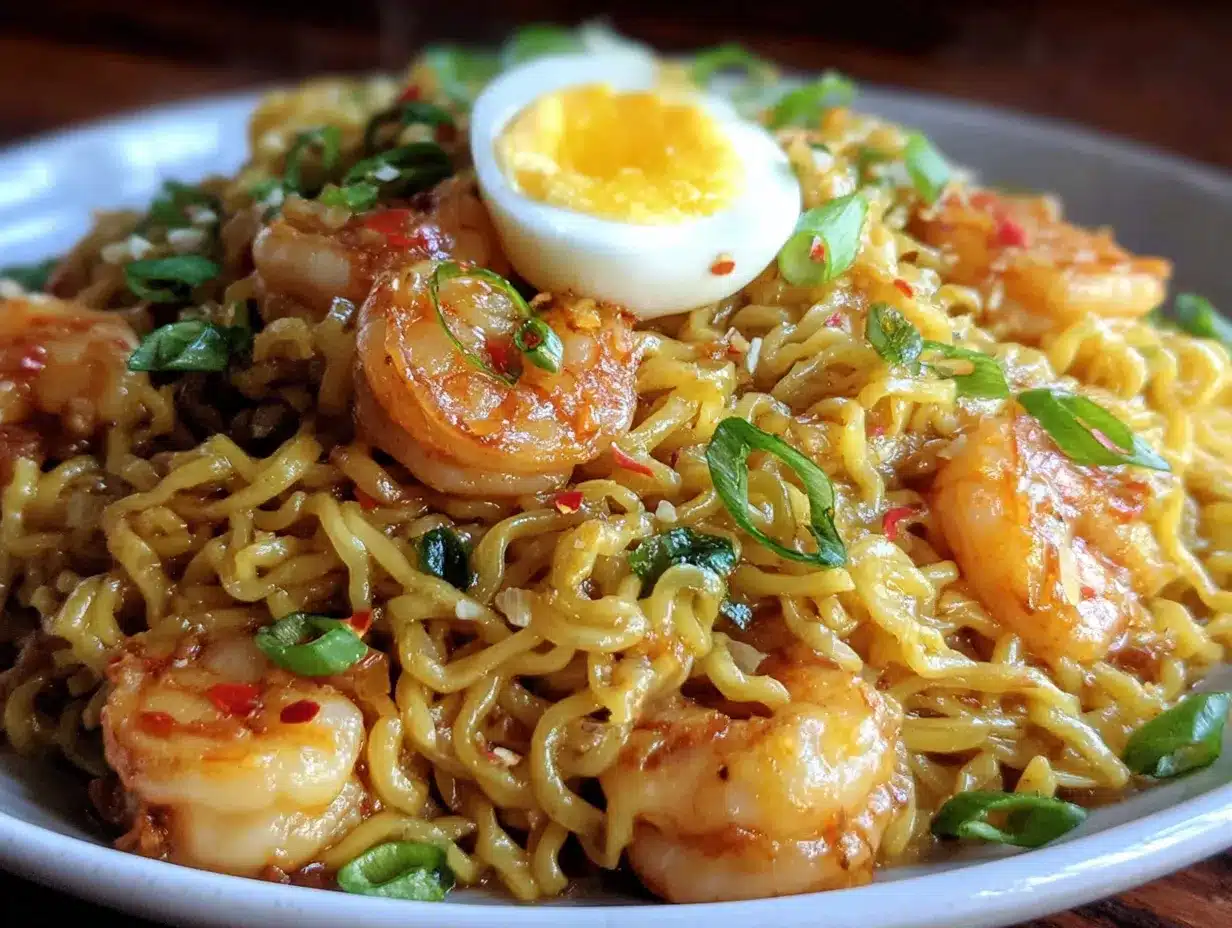
- Cook the Ramen Noodles: Bring a medium pot of water to a rolling boil. Add the ramen noodles (discard the seasoning packets) and cook for 2 minutes, or until they are just tender but still have a slight chew. You want them al dente because they’ll cook a little more in the skillet. Drain the noodles in a colander and set them aside. Do not rinse them — you want the starch to help the sauce cling to the noodles.
- Prepare the Sauce: In a small bowl, whisk together the soy sauce, sriracha, and brown sugar until the sugar is mostly dissolved. Set this aside. Having it ready means you won’t be scrambling when the garlic is sizzling.
- Melt the Butter: Place your large skillet or wok over medium heat. Add the 3 tablespoons of unsalted butter and let it melt completely. Swirl the pan to coat the bottom evenly. The butter should be bubbling gently but not browning.
- Bloom the Garlic: Add the minced garlic to the melted butter. Stir constantly for about 30-45 seconds until the garlic is fragrant and just starting to turn golden. Do not let it burn — burnt garlic tastes bitter and will ruin the dish. The smell at this point is incredible. It should fill your kitchen with a warm, savory aroma.
- Add the Sauce: Pour the prepared sauce mixture into the skillet with the garlic butter. Stir to combine and let it bubble for about 30 seconds. The sauce will thicken slightly as the sugar caramelizes. If you’re adding any vegetables (like spinach or bell peppers), add them now and cook for 1-2 minutes until they soften.
- Toss the Noodles: Add the drained ramen noodles to the skillet. Using tongs or two forks, toss the noodles in the sauce until every strand is evenly coated. This should take about 1-2 minutes. The noodles will absorb the sauce and become glossy and flavorful. If the noodles seem dry, add a splash of the reserved noodle water (about 2 tablespoons) to loosen the sauce.
- Finish with Sesame Oil: Drizzle the sesame oil over the noodles and toss one more time. This adds that final nutty note that makes the dish sing. Taste the noodles and adjust seasoning if needed. Add a pinch of salt or a dash more sriracha if you want more heat.
- Garnish and Serve: Transfer the noodles to serving bowls. Top with sliced green onions and any optional toppings like sesame seeds, a soft-boiled egg, or a sprinkle of red pepper flakes. Serve immediately while the noodles are hot and the sauce is glossy.
Sensory Cues: At step 4, the garlic should be fragrant but not browned. You should smell it before you see it change color. At step 6, the noodles should look slick and shiny, not dry or clumpy. If the sauce pools at the bottom of the pan, you need to toss more. At step 7, the sesame oil should add a subtle toasty aroma that complements the garlic.
Personal Tip for Efficiency: While the water is boiling for the noodles, prep your garlic and green onions. This way, everything is ready to go when the noodles are cooked. I also mix my sauce in the small bowl while the noodles boil. Multitasking makes this a true 15-minute meal.
Troubleshooting Tip: If your noodles turn out mushy, you likely overcooked them in the boiling stage. Remember, they cook again in the skillet, so 2 minutes is plenty. If the sauce is too thick, add a splash of water. If it’s too thin, let it bubble a little longer before adding the noodles.
Cooking Tips & Techniques
After making this dish more times than I can count, I’ve picked up a few tricks that make a real difference. Let me share them with you.
Master the Garlic: The biggest mistake I see is burning the garlic. Garlic goes from fragrant to bitter in seconds. Keep the heat at medium, not high, and stir constantly. If you see the garlic turning dark brown, remove the pan from the heat immediately. I once ruined a batch by walking away to answer a text. Never again.
The Noodle Water Trick: Save about a quarter cup of the water you boiled the noodles in before draining. This starchy water is liquid gold. If your sauce is too thick or the noodles seem dry, add a splash of this water. The starch helps the sauce emulsify and cling to the noodles better than plain water ever could.
Don’t Overcrowd the Pan: If you’re doubling the recipe, cook the noodles in batches. A crowded pan traps steam, which makes the noodles soggy instead of perfectly chewy. I learned this when I tried to feed four people with one pan. The first batch was great, the second was a clumpy mess.
Timing is Everything: Have all your ingredients prepped before you start cooking. This dish moves fast. Once the garlic hits the butter, you don’t have time to measure soy sauce. I use the “mise en place” method — everything in its place. It sounds fancy, but it just means having your stuff ready.
Consistency is Key: For a sauce that really sticks, make sure your noodles are not too wet when they go into the pan. Shake the colander well after draining. Excess water will thin out your sauce and make it watery. On the flip side, don’t let the noodles sit too long after draining, or they’ll clump together.
Variations & Adaptations
This recipe is a fantastic base for experimentation. Here are some of my favorite variations.
- Protein-Packed Version: Add cooked chicken, shrimp, or beef after blooming the garlic. For a quick option, use leftover rotisserie chicken. Toss it in the pan with the sauce before adding the noodles. The protein soaks up all that buttery, spicy goodness. If you’re looking for a different way to use leftover chicken, try our healthy low-cal ranch chicken skillet for another quick weeknight idea.
- Vegetarian Delight: Load it up with vegetables. Add sliced bell peppers, shredded carrots, snap peas, or broccoli florets. Cook them in the garlic butter before adding the sauce. The vegetables add color, crunch, and nutrients. I love adding a handful of spinach at the end — it wilts in seconds and blends right into the sauce.
- Peanut Butter Twist: For a Thai-inspired version, add 1 tablespoon of peanut butter to the sauce. It creates a rich, nutty, spicy sauce that’s absolutely addictive. Stir the peanut butter into the soy sauce mixture until smooth before adding it to the pan. This is my personal favorite variation when I want something extra indulgent.
- Mild Version for Kids: Skip the sriracha entirely and use just a pinch of red pepper flakes or a dash of paprika for color. The butter and garlic are still incredibly flavorful without the heat. My nephew loves this version, and he calls it “butter noodles.”
- Gluten-Free Option: Use gluten-free ramen noodles or rice noodles. Tamari or coconut aminos work perfectly in place of soy sauce. The cooking time for rice noodles is shorter, so check the package instructions.
- Air Fryer Adaptation: Believe it or not, you can make a version of this in the air fryer. Cook the noodles as directed, then toss them with the sauce. Spread them in the air fryer basket and cook at 375°F for 5-7 minutes, shaking halfway. The noodles get slightly crispy on the edges. It’s a fun twist!
Serving & Storage Suggestions
This dish is best served immediately, while the noodles are hot and the sauce is glossy. But here’s how to make the most of it.
Serving Temperature: Serve the noodles piping hot. The butter and sauce are at their best when they’re warm and fluid. If the noodles sit too long, the sauce can solidify slightly. If that happens, just reheat them in the skillet with a splash of water.
Presentation: Serve in deep bowls to catch all the sauce. Top with sliced green onions, a sprinkle of sesame seeds, and maybe a soft-boiled egg cut in half. The runny yolk mixing with the spicy butter sauce is next-level delicious. For a complete meal, serve alongside a simple cucumber salad or some steamed edamame.
Complementary Dishes: This stir-fry pairs beautifully with a light, crisp side. Try it with a simple Asian slaw or some healthy air fryer BBQ chicken lettuce wraps for a fresh, crunchy contrast. The cool lettuce wraps balance the heat of the noodles perfectly.
Storage Instructions: Store leftovers in an airtight container in the refrigerator for up to 3 days. The noodles will absorb some of the sauce overnight, so they might be a little less saucy the next day. That’s okay — they’re still delicious.
Reheating Methods: The best way to reheat is in a skillet over medium heat. Add a splash of water or soy sauce to loosen the sauce, and toss until heated through. You can also microwave it, but the texture won’t be as good. The microwave tends to make the noodles a bit rubbery. I’ve found that adding a teaspoon of butter when reheating in the skillet brings back some of that original richness.
How Flavors Develop: Honestly, this dish is best fresh. The texture of the noodles changes overnight, becoming softer. However, the flavors do meld together nicely, so if you don’t mind softer noodles, leftovers are still tasty. I’ve been known to eat cold leftovers straight from the fridge as a snack. No judgment here.
Nutritional Information & Benefits
Let’s be real — this is comfort food, not health food. But it’s not as bad as you might think, especially if you customize it with veggies and lean protein.
Estimated Nutritional Values (per serving, without add-ins):
- Calories: ~450
- Fat: 22g
- Carbohydrates: 52g
- Protein: 8g
- Sodium: 900mg (varies based on soy sauce)
Health Benefits of Key Ingredients:
- Garlic: Known for its immune-boosting properties and anti-inflammatory benefits. It’s also good for heart health. So that 5-6 cloves aren’t just for flavor — they’re doing your body a favor.
- Butter: Contains fat-soluble vitamins like A, D, E, and K. Grass-fed butter is higher in omega-3 fatty acids and conjugated linoleic acid (CLA), which has been linked to some health benefits.
- Sriracha: The capsaicin in chili peppers can boost metabolism and reduce inflammation. Plus, it makes you drink more water, which is never a bad thing.
Dietary Considerations: This recipe is not gluten-free as written (due to soy sauce and ramen noodles), but it’s easily adaptable. Use tamari and gluten-free noodles for a GF version. It’s also not low-fat, but the fat is primarily from butter, which can be part of a balanced diet. For a lower-calorie option, use half the butter and add a splash of chicken or vegetable broth.
Potential Allergens: This recipe contains dairy (butter), gluten (soy sauce and ramen noodles), and sesame (sesame oil). Check your labels if you have allergies. The ramen noodles may also contain traces of eggs, depending on the brand.
Personal Wellness Perspective: I believe in balance. This isn’t a daily meal, but it’s a fantastic treat when you need something quick, satisfying, and deeply comforting. Pair it with a big side of steamed or roasted vegetables to round out the meal. I often make this on a Friday night as a reward for a long week, and I don’t feel guilty about it at all.
Conclusion
This Spicy Garlic Butter Ramen Noodle Stir-Fry is more than just a quick dinner — it’s a reminder that you can make something truly special with what you already have. It started as a desperate experiment in my tiny apartment kitchen, and now it’s a recipe I turn to again and again. It’s proof that good food doesn’t require a long shopping list or hours of effort.
I love this recipe because it’s forgiving. You can adjust the spice, swap in different vegetables, or add whatever protein you have on hand. It always works. It always delivers. And it always makes me feel like I’ve won dinner, even on the most exhausting days.
Now I want to hear from you. Did you try this recipe? Did you add your own twist? Let me know in the comments below. Tell me what worked, what you changed, or just how much you loved that garlic butter sauce. And if you snapped a picture, tag me on social media — I’d love to see your creation. Don’t forget to share this recipe with a friend who needs a quick dinner win. Happy cooking!
Frequently Asked Questions
Can I use a different type of noodle?
Absolutely. While ramen noodles are ideal for their texture and ability to hold sauce, you can use udon noodles, soba noodles, or even spaghetti in a pinch. Just adjust the cooking time based on the noodle type. Udon noodles will give you a chewier, thicker result, while soba adds a nutty flavor.
How can I make this less spicy?
Reduce or omit the sriracha entirely. The butter and garlic are flavorful enough on their own. You can also add a teaspoon of honey or an extra tablespoon of butter to mellow out the heat. For a completely mild version, just use a pinch of paprika for color without the heat.
Can I make this ahead of time for meal prep?
You can, but the texture is best fresh. If you’re meal prepping, cook the noodles and sauce separately and combine them when you’re ready to eat. Store the cooked noodles in an airtight container and the sauce in a separate container. When you’re ready, reheat the noodles in a skillet, add the sauce, and toss. This prevents the noodles from becoming too soft.
What if I don’t have a skillet or wok?
You can use any large pan you have. Even a large saucepan will work in a pinch. The key is to have enough surface area to toss the noodles without them spilling over. If your pan is small, cook the noodles in batches to avoid overcrowding.
Can I add an egg to this dish?
Yes! A soft-boiled or fried egg is a fantastic addition. For a soft-boiled egg, cook it for 6-7 minutes, then slice it in half and place it on top of the noodles. The runny yolk mixes with the sauce and creates an even richer, creamier dish. You can also scramble an egg in the skillet before adding the noodles for a different texture.
Pin This Recipe!
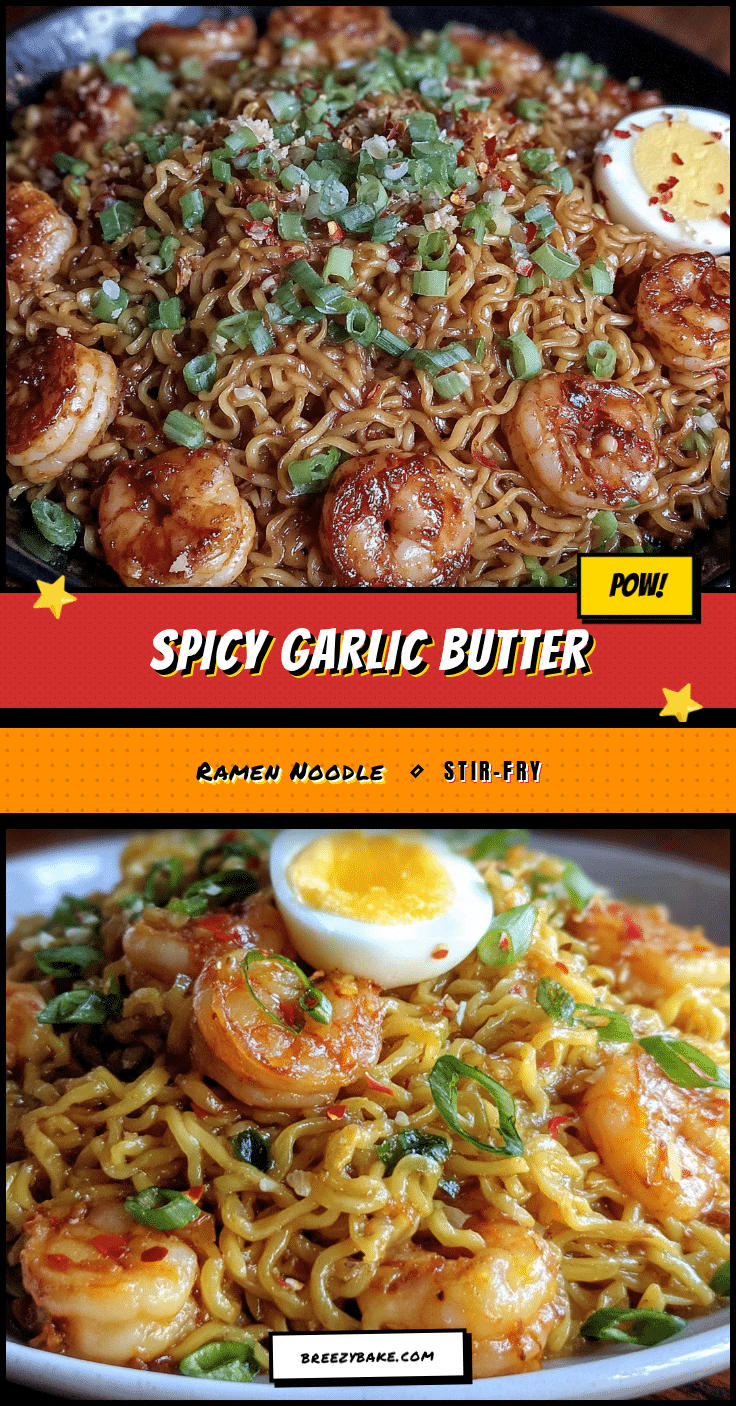
Best Spicy Garlic Butter Ramen Noodle Stir-Fry (Easy Recipe)
This Spicy Garlic Butter Ramen Noodle Stir-Fry is a quick, easy, and incredibly delicious weeknight dinner made with simple pantry ingredients. It’s a buttery, garlicky, and spicy noodle dish that comes together in under 15 minutes.
- Prep Time: 5 minutes
- Cook Time: 10 minutes
- Total Time: 15 minutes
- Yield: 2 servings 1x
- Category: Main Course
- Cuisine: Asian Fusion
Ingredients
- 2 packets instant ramen noodles (seasoning packets discarded)
- 3 tablespoons unsalted butter
- 5–6 cloves fresh garlic, minced
- 2 tablespoons soy sauce (low-sodium recommended)
- 1–2 tablespoons sriracha
- 1 tablespoon brown sugar, packed
- 1 teaspoon sesame oil (optional)
- 3–4 green onions, sliced (for garnish)
- Optional: cooked chicken, shrimp, beef, or tofu
- Optional: vegetables like spinach, shredded carrots, or bell pepper strips
Instructions
- Cook the Ramen Noodles: Bring a medium pot of water to a rolling boil. Add the ramen noodles (discard the seasoning packets) and cook for 2 minutes, or until just tender but still al dente. Drain in a colander and set aside. Do not rinse.
- Prepare the Sauce: In a small bowl, whisk together the soy sauce, sriracha, and brown sugar until the sugar is mostly dissolved. Set aside.
- Melt the Butter: Place a large skillet or wok over medium heat. Add the 3 tablespoons of unsalted butter and let it melt completely, swirling to coat the bottom evenly.
- Bloom the Garlic: Add the minced garlic to the melted butter. Stir constantly for about 30-45 seconds until fragrant and just starting to turn golden. Do not let it burn.
- Add the Sauce: Pour the prepared sauce mixture into the skillet with the garlic butter. Stir to combine and let it bubble for about 30 seconds. If adding vegetables, add them now and cook for 1-2 minutes until softened.
- Toss the Noodles: Add the drained ramen noodles to the skillet. Using tongs or two forks, toss the noodles in the sauce until every strand is evenly coated, about 1-2 minutes. If the noodles seem dry, add a splash of reserved noodle water (about 2 tablespoons) to loosen the sauce.
- Finish with Sesame Oil: Drizzle the sesame oil over the noodles and toss one more time. Taste and adjust seasoning if needed.
- Garnish and Serve: Transfer the noodles to serving bowls. Top with sliced green onions and any optional toppings like sesame seeds, a soft-boiled egg, or red pepper flakes. Serve immediately.
Notes
For best results, use fresh garlic and do not burn it. Save some noodle water to adjust sauce consistency. This dish is best served immediately. For meal prep, store noodles and sauce separately and combine when reheating.
Nutrition
- Serving Size: 1 serving
- Calories: 450
- Sugar: 6
- Sodium: 900
- Fat: 22
- Saturated Fat: 12
- Carbohydrates: 52
- Fiber: 2
- Protein: 8
Keywords: spicy garlic butter ramen, ramen stir-fry, easy ramen recipe, quick dinner, weeknight dinner, garlic noodles, spicy noodles, 15 minute meal