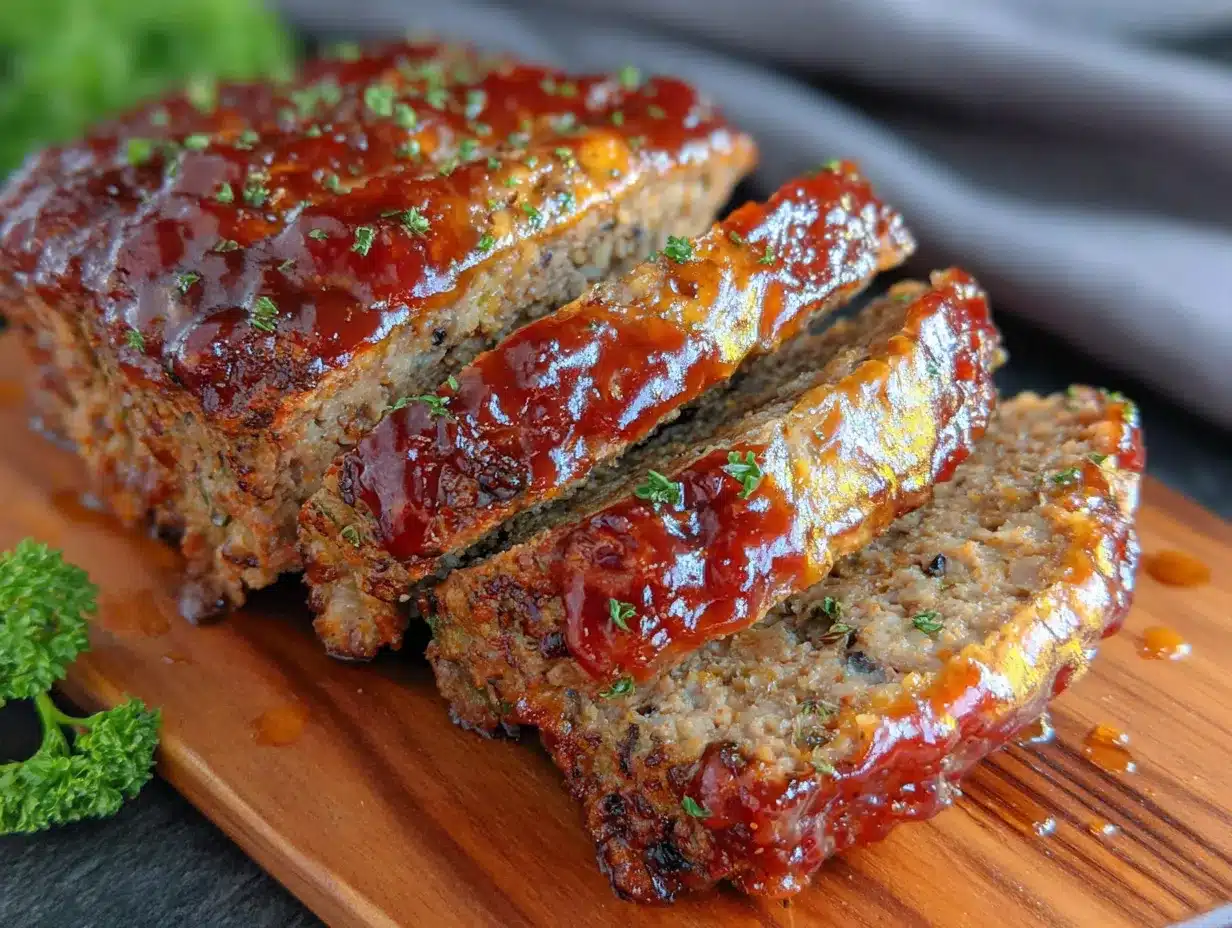
Third time this week I pulled that meatloaf out of the oven, and the brown sugar ketchup glaze was bubbling in the corners just right this time. Not too runny, not caramelized to a crisp—that sticky-sweet edge that makes you cut a corner piece before it even rests. I had been chasing that balance for weeks, tweaking the ratio of brown sugar to ketchuk, swapping yellow mustard for Dijon, wondering if I was overthinking something my grandmother probably eyeballed. Turns out, I was. But the good kind of overthinking—the kind where you learn exactly why the glaze behaves the way it does, and how a little Worcestershire in the meat itself makes the whole thing taste like Sunday dinner on a Tuesday.
The first loaf was dry. The second fell apart. The third, well, it made my husband ask if we could have it again next week. That’s when I knew I had something worth writing down. Not because it’s fancy—it’s not. But because classic meatloaf with brown sugar ketchup glaze done right is the kind of meal that reminds you why simple food matters. It’s forgiving, it’s flexible, and when that glaze hits the hot meat, something almost magical happens. The tang cuts the richness, the sweetness clings to the edges, and you get this perfect bite that tastes like memory and comfort all at once.
I’m not here to sell you on meatloaf. You already know if you love it. But if you’ve ever ended up with a dry, bland loaf that needed ketchup just to get through dinner, this recipe is for you. I’ve tested it six times in the last month, and I finally stopped tweaking. This is the one.
Why You’ll Love This Recipe
Let me tell you why this classic meatloaf with brown sugar ketchup glaze is different from every other recipe you’ve tried. I’ve made enough meatloaves to know what goes wrong—and more importantly, what makes one worth saving.
- Juicy Every Single Time : The secret is a panade (bread soaked in milk) that locks in moisture. No more dry, crumbly slices.
- Pantry-Friendly Ingredients : Ground beef, breadcrumbs, an egg, ketchup, brown sugar—you probably have everything right now.
- Perfect for Meal Prep : It tastes even better the next day. Cold meatloaf sandwiches? Yes, please.
- Kid-Approved and Crowd-Pleasing : My niece, who swears she doesn’t like meatloaf, asked for seconds. That’s the power of that glaze.
- No Fancy Equipment Needed : Just a loaf pan and a bowl. If you’ve got a healthy chicken veggie skillet wrap kind of weeknight, this fits right in.
What makes this recipe stand out isn’t a secret ingredient—it’s the technique. The panade keeps things tender, the seasoning is balanced (not too salty, not too bland), and that glaze? It’s not just brushed on top. You glaze it twice during baking so it builds up that sticky, caramelized crust. I’ve tried the version where you just pour it on at the end, and honestly, it’s not the same. This method gives you layers of flavor.
This is the meatloaf you make when you want to impress someone without stressing. It’s the one you bring to a potluck and leave with an empty dish. It’s comfort food that actually comforts—not just fills a plate.
What Ingredients You Will Need
This classic meatloaf with brown sugar ketchup glaze uses simple, everyday ingredients. Nothing weird, nothing hard to find. Just good, honest food that works together.
For the Meatloaf:
- Ground beef (80/20) – 2 pounds. The 80/20 ratio gives you enough fat to stay moist without being greasy. I’ve used leaner beef and regretted it—dry meatloaf is sad meatloaf.
- Breadcrumbs (plain) – 1 cup. They help bind everything together. Panko works too, but regular breadcrumbs give a softer texture.
- Milk (whole) – ½ cup. This soaks into the breadcrumbs to create a panade. Whole milk adds richness, but 2% works fine.
- Eggs – 2 large, lightly beaten. They’re the glue that holds the loaf together.
- Onion (yellow) – 1 small, finely diced. I grate mine on a box grater sometimes for a smoother texture. My husband hates onion chunks, and he never notices this way.
- Garlic – 3 cloves, minced. Fresh garlic is best. The jarred stuff works in a pinch, but it’s not as punchy.
- Worcestershire sauce – 2 tablespoons. This adds that deep, savory umami flavor. Lea & Perrins is my go-to.
- Ketchup – ¼ cup (for the meat mixture). I use Heinz, but store brand is fine.
- Dijon mustard – 1 tablespoon. Adds a little tang and depth. Yellow mustard works too, but Dijon is smoother.
- Salt – 1 teaspoon.
- Black pepper – ½ teaspoon.
- Dried thyme – 1 teaspoon. Optional, but it adds a nice earthy note.
- Fresh parsley – 2 tablespoons, chopped. For freshness at the end.
For the Brown Sugar Ketchup Glaze:
- Ketchup – ½ cup. The base of the glaze.
- Brown sugar (packed) – ¼ cup. Light or dark both work. Dark gives a deeper molasses flavor.
- Apple cider vinegar – 1 tablespoon. Cuts the sweetness and adds brightness.
- Worcestershire sauce – 1 teaspoon. For extra savory depth.
- Garlic powder – ½ teaspoon. Not the same as fresh, but it blends perfectly into the glaze.
Ingredient Tips: For the best texture, let your eggs and milk come to room temperature before mixing. Cold ingredients can make the meat seize up. And if you’re out of fresh parsley, don’t stress—the glaze does most of the heavy lifting flavor-wise. I’ve made this with Italian seasoning instead of thyme, and it was still great.
Equipment Needed
You don’t need a lot of gear for this one. That’s part of the beauty.
- Loaf pan (9×5-inch) – The standard size. If you don’t have one, you can shape the meatloaf free-form on a baking sheet lined with parchment. It’ll cook a little faster, so keep an eye on it.
- Large mixing bowl – For combining everything. I use a glass bowl because it doesn’t hold odors.
- Measuring cups and spoons – Accuracy matters, especially for the glaze.
- Chef’s knife and cutting board – For dicing the onion and mincing garlic.
- Box grater (optional) – If you want to grate the onion instead of dicing it. I do this half the time.
- Small saucepan – For making the glaze. You can also whisk it together in a bowl, but heating it helps the sugar dissolve.
- Pastry brush – For applying the glaze. A spoon works too, but a brush gives you an even coat.
- Meat thermometer – This is non-negotiable for me. After a few dry meatloaves, I learned that guessing doneness is a gamble. 160°F is the magic number.
- Parchment paper or foil – Lining the pan makes cleanup so much easier. Trust me.
If you don’t have a pastry brush, just spoon the glaze on and spread it with the back of the spoon. It won’t be as even, but it’ll still taste amazing.
Preparation Method
Let’s make this classic meatloaf with brown sugar ketchup glaze. Take your time with the steps—rushing leads to crumbly meatloaf.
- Preheat your oven to 350°F (175°C). Line your loaf pan with parchment paper, leaving some overhang on the sides. This makes lifting the meatloaf out so much easier later.
- Make the panade. In your large mixing bowl, combine 1 cup plain breadcrumbs and ½ cup whole milk. Stir and let it sit for 5 minutes. The breadcrumbs will soak up the milk and turn into a paste. This is what keeps your meatloaf moist. I learned this trick from a chef friend, and honestly, it changed everything.
- Add the aromatics. To the panade, add 1 small finely diced onion (or grated), 3 minced garlic cloves, 2 tablespoons Worcestershire sauce, ¼ cup ketchup, 1 tablespoon Dijon mustard, 1 teaspoon salt, ½ teaspoon black pepper, and 1 teaspoon dried thyme. Stir until combined.
- Add the eggs and meat. Crack 2 large eggs into the mixture and stir. Then add 2 pounds of ground beef (80/20). Use your hands to gently mix everything together. Don’t overwork it—overmixing makes meatloaf tough. Just combine until you don’t see streaks of raw meat anymore. It should look uniform but not compacted.
- Shape the loaf. Transfer the mixture to your lined loaf pan. Press it in gently, making sure there are no air pockets. Shape the top so it’s slightly domed—this gives you a nice rounded top after baking.
- Make the glaze. In a small saucepan over medium heat, combine ½ cup ketchup, ¼ cup packed brown sugar, 1 tablespoon apple cider vinegar, 1 teaspoon Worcestershire sauce, and ½ teaspoon garlic powder. Whisk until the sugar dissolves and the glaze is smooth, about 2-3 minutes. Remove from heat.
- First glaze application. Brush about half the glaze over the top of the meatloaf. Reserve the rest for later.
- Bake for 45 minutes. Place the pan on the middle rack. After 45 minutes, pull it out and brush on the remaining glaze. The loaf should be starting to pull away from the sides of the pan.
- Finish baking. Return to the oven and bake for another 15-20 minutes, or until the internal temperature reaches 160°F (71°C). The glaze should be bubbly and caramelized on top.
- Rest the meatloaf. This is the hardest part. Let it rest in the pan for 10 minutes. Then use the parchment overhang to lift it out onto a cutting board. Let it rest another 5 minutes before slicing. Resting lets the juices redistribute—skip this, and you’ll have a puddle on your plate and dry meat.
- Slice and serve. Use a sharp knife to cut even slices. Spoon any extra glaze from the pan over the slices.
Sensory cues: At step 8, you should smell the Worcestershire and garlic mingling with the sweet glaze. The top should look sticky and dark. When you insert the thermometer, it should slide in easily with no resistance. If you see pink juice, it needs more time.
Cooking Tips & Techniques
I’ve made enough mistakes with meatloaf to fill a small notebook. Here’s what I’ve learned so you don’t have to.
Don’t skip the panade. The first few times I made meatloaf, I just mixed breadcrumbs in dry. The result was dense and dry. The panade (breadcrumbs soaked in milk) acts like a sponge, holding moisture inside the meat as it cooks. It’s a small step that makes a huge difference.
Use a meat thermometer. I can’t stress this enough. Color is not a reliable indicator of doneness with ground beef. 160°F is the target. I’ve pulled meatloaf out at 155°F thinking it looked done, and it was still undercooked in the center. A thermometer is a ten-dollar investment that saves you from food poisoning or dry meat.
Let it rest. I know you’re hungry. I am too. But cutting into a hot meatloaf immediately releases all those juices onto the cutting board. Ten minutes in the pan, five minutes out. Your patience will be rewarded with slices that hold together and stay moist.
Line your pan. Parchment paper with overhang makes removal a breeze. Without it, you’re fighting to get the loaf out in one piece. I’ve had meatloaf crumble into chunks because I got impatient with a non-stick pan that wasn’t actually non-stick.
Glaze twice. One coat at the start, one coat near the end. The first layer bakes into the meat, creating a flavorful crust. The second layer stays glossy and sticky. If you only glaze once, you miss that caramelized edge that makes the brown sugar ketchup glaze so special.
If you’re making this alongside a side dish, start your veggies or potatoes when you add the second glaze coat. That way everything finishes around the same time. I often pair this with a simple roasted vegetable or a healthy low-cal ranch chicken skillet for a full meal that feels effortless.
Variations & Adaptations
One of the best things about classic meatloaf with brown sugar ketchup glaze is how adaptable it is. Here are some ways to make it your own.
Turkey Meatloaf: Swap the ground beef for ground turkey (93/7 works best). Add 2 tablespoons of olive oil to the mixture to keep it from drying out. Turkey cooks faster, so check the temperature at 50 minutes total.
Gluten-Free Option: Use gluten-free breadcrumbs or crushed gluten-free crackers (like Rice Chex or Schär brand). The panade works the same way. Make sure your Worcestershire sauce is gluten-free—Lea & Perrins is, but some brands aren’t.
Cheesy Stuffed Meatloaf: Press half the meat mixture into the pan, make a shallow well, and add ½ cup shredded cheddar or mozzarella. Top with the remaining meat and seal the edges. The cheese melts into a gooey center. I did this once for a party, and it disappeared in minutes.
Spicy Kick: Add 1-2 teaspoons of sriracha or chipotle powder to the glaze. Or mix ½ teaspoon cayenne into the meat mixture. The sweetness of the brown sugar balances the heat beautifully.
BBQ Twist: Replace the ketchup in the glaze with your favorite barbecue sauce. Use half the brown sugar since BBQ sauce is already sweet. This gives it a smoky, Southern-style flavor.
Mini Meatloaves: Divide the mixture into a muffin tin for individual servings. Bake at 375°F for 20-25 minutes. Great for portion control or meal prep. Kids love them.
I’ve tried the turkey version multiple times, and it’s my go-to when I want something lighter. The key is not to overcook it—dry turkey meatloaf is a tragedy.
Serving & Storage Suggestions
This meatloaf is versatile enough for a cozy family dinner or a casual gathering.
Serving: Slice the meatloaf into 1-inch thick pieces. Serve warm with the extra glaze spooned over the top. I like to pair it with mashed potatoes and green beans, but it’s also great with roasted carrots or a simple side salad. For a fun twist, serve it on toasted bread with a smear of mayo and a slice of cheddar—best meatloaf sandwich ever.
Temperature: Serve hot, straight from the oven. Leftovers are delicious cold or reheated.
Storage: Let the meatloaf cool completely. Wrap it tightly in plastic wrap or foil, or store it in an airtight container. It will keep in the refrigerator for up to 4 days. The flavors actually deepen overnight—the Worcestershire and garlic meld together even more.
Freezing: You can freeze the whole cooked meatloaf or individual slices. Wrap in plastic wrap, then foil, and freeze for up to 3 months. Thaw overnight in the refrigerator before reheating. To freeze uncooked meatloaf, shape it in the pan, don’t glaze it, wrap tightly, and freeze. Thaw in the fridge, then glaze and bake as directed, adding 10-15 minutes to the cooking time.
Reheating: The best way to reheat is in the oven at 300°F for 15-20 minutes, covered with foil to prevent drying. The microwave works in a pinch, but the texture suffers—the edges can get rubbery. If you’re reheating slices, a skillet over medium heat with a splash of water and a lid works beautifully. The steam keeps it moist.
Make-Ahead Tip: You can assemble the meatloaf a day ahead, cover it, and refrigerate. Let it sit at room temperature for 20 minutes before baking. The flavors meld together even more this way.
Nutritional Information & Benefits
Here’s a rough estimate for one serving (based on 8 servings, using 80/20 ground beef):
- Calories: 410
- Protein: 28g
- Fat: 22g
- Saturated Fat: 9g
- Carbohydrates: 22g
- Fiber: 1g
- Sugar: 14g
- Sodium: 680mg
Health Benefits: Ground beef is a great source of iron, zinc, and B vitamins, especially B12. The onions and garlic add antioxidants and support immune health. While this isn’t a low-calorie dish, it’s a satisfying source of protein that keeps you full. If you’re watching your sodium, use low-sodium ketchup and reduce the added salt slightly.
Dietary Considerations: This recipe contains gluten (breadcrumbs) and dairy (milk). For a gluten-free version, use gluten-free breadcrumbs. For dairy-free, use unsweetened almond milk or oat milk in the panade. It’s not suitable for a low-carb diet unless you use almond flour instead of breadcrumbs (about ½ cup).
Allergens: Contains wheat (gluten), milk (dairy), and eggs.
I personally love that this meal feels indulgent but isn’t loaded with processed ingredients. It’s real food, made from scratch, and that counts for something.
Conclusion
This classic meatloaf with brown sugar ketchup glaze is the kind of recipe that earns a permanent spot in your rotation. It’s simple enough for a Tuesday night, impressive enough for company, and forgiving enough for beginners. The panade keeps it juicy, the double glaze gives it that iconic sticky-sweet crust, and the leftovers make the best sandwiches you’ll ever eat.
I’ve made this six times in the last month, and I’m still not tired of it. That’s the mark of a keeper. Whether you stick to the recipe exactly or tweak it with your own twists, I hope it becomes a favorite in your kitchen too.
If you try it, let me know how it goes. Leave a comment below, or tag me in your photos—I love seeing your creations. And if you’ve got a variation I haven’t tried, share it! The best recipes are the ones we make our own.
Now go preheat that oven. You’ve got a meatloaf to make.
Frequently Asked Questions
Can I use ground pork or a mix of meats?
Absolutely. A mix of beef and pork (like 1 pound each) adds even more moisture and flavor. Ground veal works too. Just make sure the internal temperature still reaches 160°F.
Why did my meatloaf fall apart when I sliced it?
Most likely, it didn’t rest long enough, or the mixture was too wet. Let it rest for at least 10 minutes after baking. If it’s still crumbly, add an extra egg or reduce the milk next time. The panade should be paste-like, not soupy.
Can I make this in a different pan?
Yes. You can shape the meatloaf free-form on a baking sheet lined with parchment. It will cook faster—start checking the temperature at 45 minutes. A 9×13-inch pan works too, but the loaf will be flatter and cook more quickly.
How do I prevent the glaze from burning?
If your oven runs hot or the glaze starts to darken too much, tent the meatloaf loosely with foil for the last 15 minutes. The sugar in the brown sugar can caramelize quickly, so keep an eye on it after the second glaze application.
Can I double this recipe?
Yes. Double all the ingredients and bake in two loaf pans. If you only have one pan, you can shape the second loaf on a baking sheet. The baking time stays roughly the same, but check the temperature to be safe. A larger single loaf will need an extra 10-15 minutes.
Pin This Recipe!
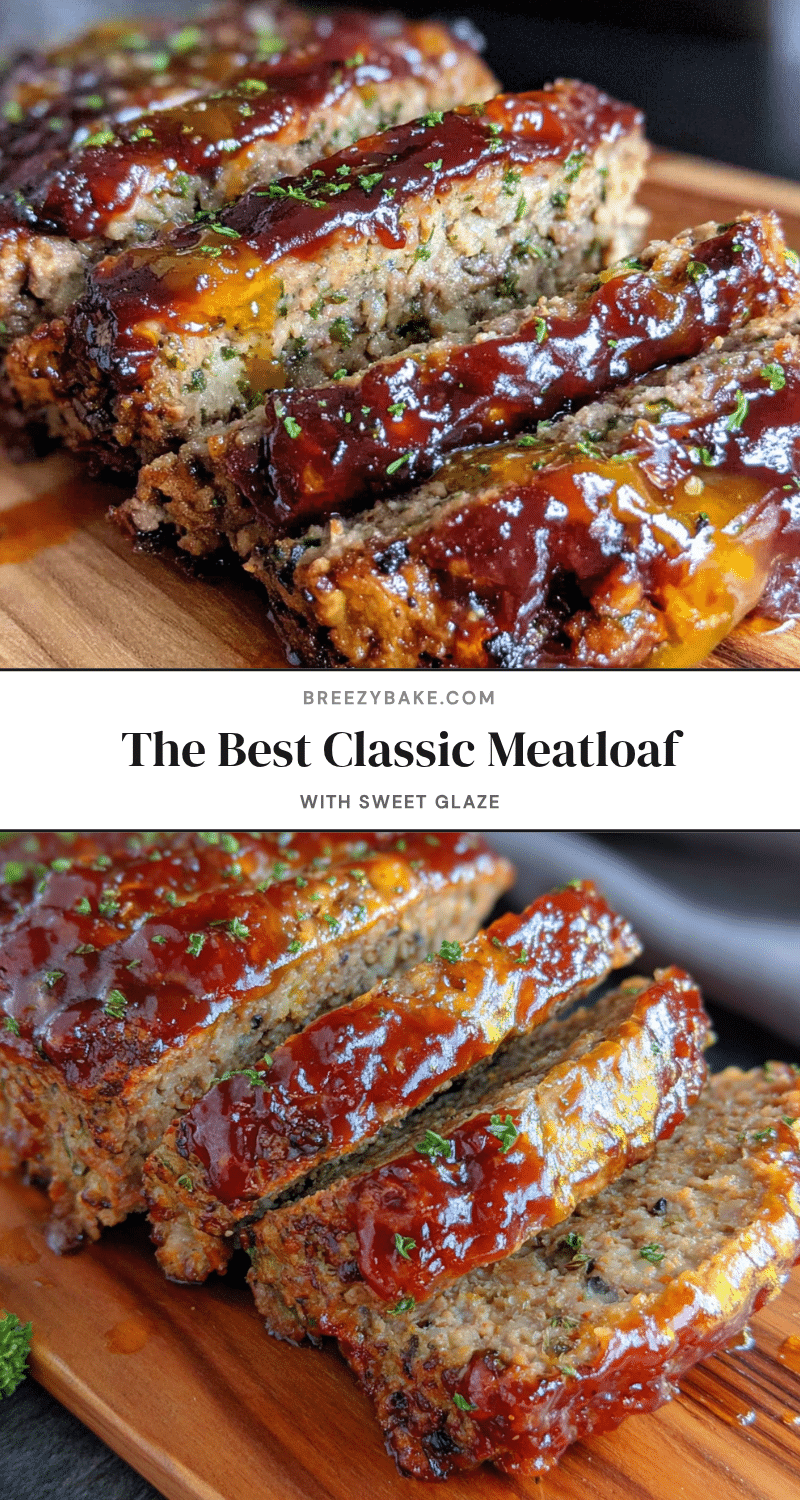
Classic Meatloaf with Easy Brown Sugar Ketchup Glaze
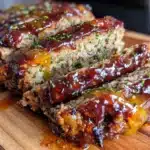
This classic meatloaf is juicy, tender, and topped with a sticky-sweet brown sugar ketchup glaze. Made with simple pantry ingredients and a foolproof panade technique, it’s the ultimate comfort food that’s perfect for weeknight dinners or meal prep.
- Prep Time: 15 minutes
- Cook Time: 60 minutes
- Total Time: 1 hour 15 minutes
- Yield: 8 servings 1x
- Category: Main Course
- Cuisine: American
Ingredients
- 2 pounds ground beef (80/20)
- 1 cup plain breadcrumbs
- ½ cup whole milk
- 2 large eggs, lightly beaten
- 1 small yellow onion, finely diced or grated
- 3 cloves garlic, minced
- 2 tablespoons Worcestershire sauce
- ¼ cup ketchup
- 1 tablespoon Dijon mustard
- 1 teaspoon salt
- ½ teaspoon black pepper
- 1 teaspoon dried thyme (optional)
- 2 tablespoons fresh parsley, chopped
- ½ cup ketchup (for glaze)
- ¼ cup packed brown sugar (light or dark)
- 1 tablespoon apple cider vinegar
- 1 teaspoon Worcestershire sauce (for glaze)
- ½ teaspoon garlic powder
Instructions
- Preheat your oven to 350°F (175°C). Line a 9×5-inch loaf pan with parchment paper, leaving overhang on the sides.
- Make the panade: In a large mixing bowl, combine 1 cup plain breadcrumbs and ½ cup whole milk. Stir and let sit for 5 minutes until the breadcrumbs absorb the milk and form a paste.
- Add the aromatics: To the panade, add the finely diced onion, minced garlic, 2 tablespoons Worcestershire sauce, ¼ cup ketchup, 1 tablespoon Dijon mustard, 1 teaspoon salt, ½ teaspoon black pepper, and 1 teaspoon dried thyme. Stir until combined.
- Add the eggs and meat: Crack 2 large eggs into the mixture and stir. Add 2 pounds ground beef (80/20). Use your hands to gently mix until just combined—do not overwork.
- Shape the loaf: Transfer the mixture to the lined loaf pan. Press gently to remove air pockets and shape the top into a slight dome.
- Make the glaze: In a small saucepan over medium heat, combine ½ cup ketchup, ¼ cup packed brown sugar, 1 tablespoon apple cider vinegar, 1 teaspoon Worcestershire sauce, and ½ teaspoon garlic powder. Whisk until the sugar dissolves and the glaze is smooth, about 2-3 minutes. Remove from heat.
- First glaze application: Brush about half the glaze over the top of the meatloaf. Reserve the rest.
- Bake for 45 minutes: Place the pan on the middle rack. After 45 minutes, remove from oven and brush on the remaining glaze.
- Finish baking: Return to the oven and bake for another 15-20 minutes, or until the internal temperature reaches 160°F (71°C). The glaze should be bubbly and caramelized.
- Rest the meatloaf: Let it rest in the pan for 10 minutes. Then use the parchment overhang to lift it onto a cutting board. Rest another 5 minutes before slicing.
- Slice and serve: Use a sharp knife to cut even slices. Spoon any extra glaze from the pan over the slices.
Notes
For best results, let eggs and milk come to room temperature before mixing. Do not skip the panade—it keeps the meatloaf moist. Use a meat thermometer to ensure doneness at 160°F. Let the meatloaf rest before slicing to retain juices. Line the pan with parchment for easy removal. Glaze twice for a caramelized crust.
Nutrition
- Serving Size: 1 slice (1/8 of loaf
- Calories: 410
- Sugar: 14
- Sodium: 680
- Fat: 22
- Saturated Fat: 9
- Carbohydrates: 22
- Fiber: 1
- Protein: 28
Keywords: meatloaf, brown sugar ketchup glaze, classic meatloaf, comfort food, ground beef, easy dinner, family meal