My friend Jenna—who once declared meal prep “a scam invented by Tupperware”—texted me a photo of her freezer last month. It was packed with neat little rows of something wrapped in parchment. “I made your meatballs,” she wrote. “I’m sorry I doubted you.”
I laughed because I remembered my own first batch. I had been skeptical too. Ground turkey has a reputation, you know. It can be dry, bland, and honestly, a little sad. And adding vegetables? That felt like asking for trouble—soggy meatballs that fall apart the second you look at them. But I had a fridge full of zucchini and a stubborn streak, so I gave it a shot.
The first batch was ugly. Some fell apart. Some stuck to the pan. But the ones that survived? They were juicy. They had flavor pockets from the grated veggies. And when I reheated one from the freezer a week later, it tasted just as good as day one. That was the moment I knew I had something worth keeping.
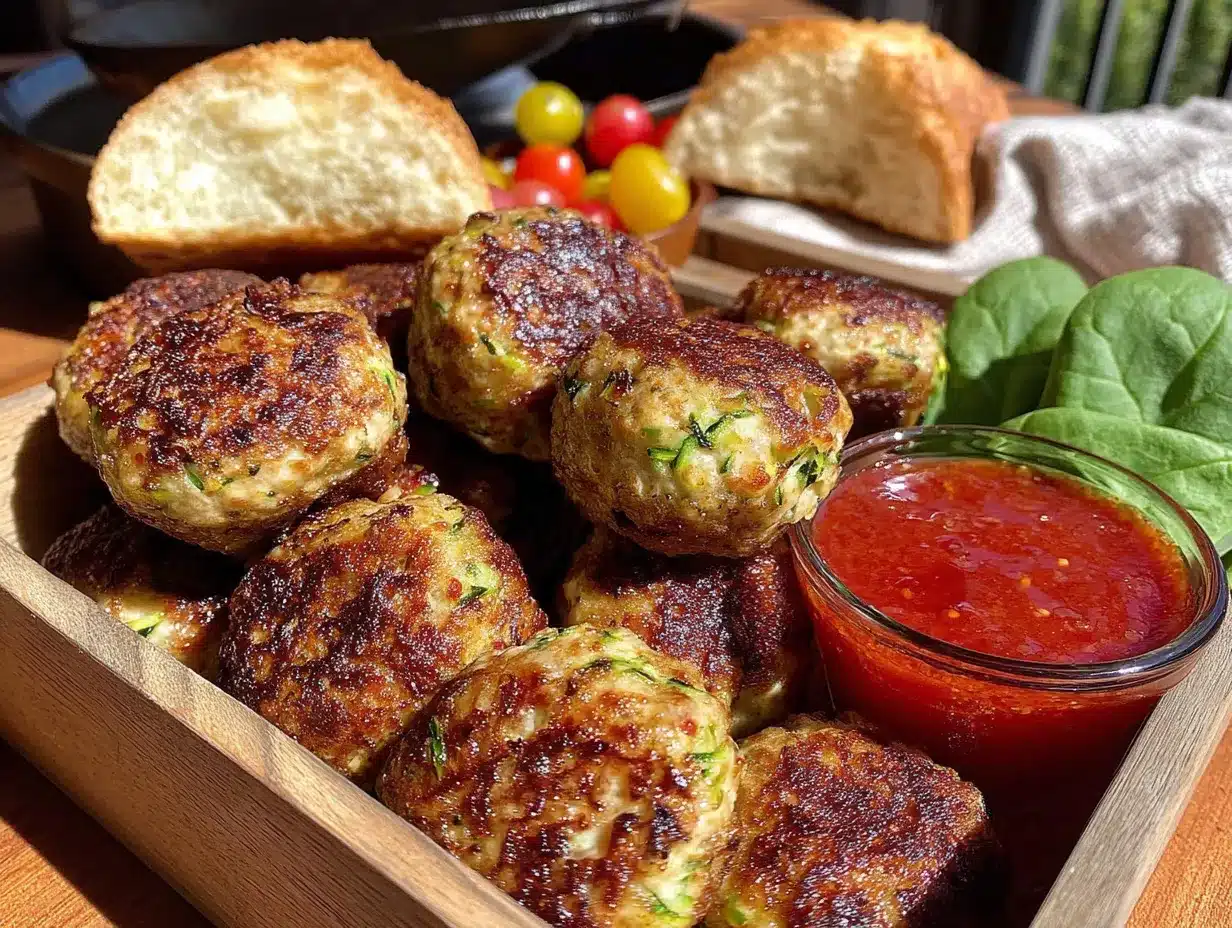
These healthy turkey and veggie meatballs are now a staple in my house. They’ve survived busy weeknights, picky toddler inspections, and even a freezer move (don’t ask). They’re the kind of recipe that makes you feel like you’ve got your life together—even when you definitely don’t.
Why You’ll Love This Recipe
Let me tell you why these meatballs earn a permanent spot in my rotation. I’ve tested this recipe more times than I can count, and each batch taught me something new.
- Quick & Easy: From bowl to freezer in about 45 minutes. Perfect for Sunday meal prep or a last-minute dinner win.
- Simple Ingredients: Ground turkey, a few veggies, pantry spices, and breadcrumbs. No weird health food store finds required.
- Perfect for Meal Prep: Make a double batch on Sunday and you’ve got protein ready for salads, pasta, grain bowls, or snacks all week.
- Crowd-Pleaser: My kids eat these without complaint. My husband adds them to his lunch. Even my skeptical friend Jenna now keeps a bag in her freezer.
- Unbelievably Delicious: The veggies keep the turkey incredibly moist. Seriously—no dry, crumbly meatballs here. Just tender, flavorful bites that hold together perfectly.
What sets this recipe apart is the technique. Instead of just mixing everything together and hoping for the best, we’re going to sweat the veggies first. This removes excess moisture so your meatballs stay firm and don’t turn into sad little puddles in the pan. It’s a small step that makes a huge difference.
These meatballs aren’t just healthy—they’re the kind of food that makes you feel good eating them. They’re comfort food you can feel great about serving your family. And honestly? They taste better than any frozen meatball you’ll buy at the store.
What Ingredients You Will Need
This recipe uses simple, wholesome ingredients to deliver big flavor without any fuss. Most of these are probably already in your kitchen.
- Ground turkey (93/7): 1 pound. I recommend 93% lean for the best balance of moisture and flavor. Too lean (99%) and the meatballs can dry out. I prefer Jennie-O or Butterball brands for consistent results.
- Zucchini: 1 medium (about 1 cup grated). Adds moisture and sneaky veggies. No need to peel it—the green flecks look pretty in the finished meatballs.
- Carrot: 1 medium (about 1/2 cup grated). Adds natural sweetness and a pop of color.
- Yellow onion: 1/2 medium (about 1/4 cup finely diced). The aromatic backbone of the recipe.
- Garlic: 3 cloves, minced. Because everything is better with garlic.
- Breadcrumbs: 1/2 cup. Panko works best for a light texture. For gluten-free, use certified GF panko or almond flour.
- Parmesan cheese: 1/4 cup, grated. Adds umami and helps bind everything together. Leave it out for dairy-free, or use nutritional yeast for a similar savory note.
- Egg: 1 large. The binder that keeps everything together. For an egg-free version, use 1 tablespoon flaxseed meal mixed with 3 tablespoons water.
- Dried oregano: 1 teaspoon. Adds that classic Italian flavor.
- Dried basil: 1 teaspoon. Pairs beautifully with the oregano.
- Salt: 1 teaspoon. I use fine sea salt.
- Black pepper: 1/2 teaspoon, freshly ground.
- Olive oil: 2 tablespoons, for sautéing the vegetables and for baking.
- Fresh parsley: 2 tablespoons, chopped (optional, for garnish).
Ingredient Selection Tips: When buying zucchini, look for firm, small to medium ones—they have fewer seeds and better texture. For the carrots, go for bright orange, firm ones. Fresh garlic is non-negotiable here; pre-minced stuff won’t give you the same punch.
Substitution Guidance: If you don’t have panko, regular breadcrumbs work fine. You can also swap the turkey for ground chicken or lean ground beef. For a dairy-free version, skip the Parmesan and add an extra tablespoon of breadcrumbs. The recipe is forgiving—I’ve made it with whatever I had on hand and it always turned out great.
Equipment Needed
You don’t need a fancy kitchen to make these meatballs. Here’s what you’ll need:
- Large mixing bowl: For combining all the ingredients. Any big bowl works.
- Box grater or food processor: For grating the zucchini and carrot. A box grater is cheaper and easier to clean. I’ve used both—the food processor is faster but the grater gives you better control over texture.
- Cheesecloth or clean kitchen towel: For squeezing moisture out of the grated zucchini. This step is crucial, so don’t skip it. A nut milk bag works great too.
- Large skillet: For sweating the onions and garlic. A non-stick skillet makes cleanup easier.
- Baking sheet: For baking the meatballs. Line it with parchment paper for easy cleanup.
- Cookie scoop or tablespoon: For portioning uniform meatballs. A 1.5-tablespoon scoop is my favorite size.
- Freezer-safe bags or containers: For storing the cooked meatballs. I like quart-sized freezer bags—they lay flat and stack nicely.
Budget-Friendly Options: Don’t have a box grater? Use a vegetable peeler to make thin ribbons of zucchini and carrot, then chop them finely with a knife. No cookie scoop? Use two spoons to shape the meatballs. No parchment paper? Grease the baking sheet well with olive oil.
If you’re using a food processor, a quick tip: grate the veggies using the shredding disc, then switch to the regular blade and pulse the onion and garlic together. Less mess, less time.
Preparation Method
Let’s walk through this step by step. I promise it’s easier than it sounds.
- Preheat your oven to 400°F (200°C). Line a baking sheet with parchment paper and set it aside.
- Grate the zucchini and carrot. Using a box grater, grate the zucchini and carrot into a clean kitchen towel or cheesecloth. Gather the corners and squeeze firmly over the sink to remove as much liquid as possible. You’ll be shocked at how much water comes out—this is what keeps your meatballs from falling apart. Set the squeezed veggies aside.
- Sauté the aromatics. Heat 1 tablespoon of olive oil in a large skillet over medium heat. Add the diced onion and cook for 3-4 minutes until translucent. Add the minced garlic and cook for another 30 seconds until fragrant. Remove from heat and let cool slightly.
- Combine the ingredients. In a large mixing bowl, add the ground turkey, squeezed zucchini and carrot, sautéed onion and garlic, breadcrumbs, Parmesan cheese, egg, oregano, basil, salt, and pepper. Use your hands to gently mix everything together. Don’t overmix—you want the ingredients just combined. Overworking the meat will make the meatballs tough.
- Form the meatballs. Using a cookie scoop or your hands, form the mixture into 1.5-inch meatballs (about 1.5 tablespoons each). You should get around 20-24 meatballs. Place them on the prepared baking sheet, spacing them about 1 inch apart. They don’t spread much, so you can fit them fairly close together.
- Bake the meatballs. Drizzle the remaining 1 tablespoon of olive oil over the meatballs. Bake for 18-22 minutes, or until the internal temperature reaches 165°F (74°C) and the meatballs are golden brown on the outside. Halfway through, you can gently rotate the baking sheet for even browning.
- Cool completely. Let the meatballs cool on the baking sheet for 5 minutes, then transfer them to a wire rack to cool completely. This step is important if you’re freezing them—any residual heat will create steam and ice crystals in the freezer.
- Freeze (if desired). Once completely cool, arrange the meatballs in a single layer on a parchment-lined baking sheet and freeze for 1-2 hours until solid. Transfer the frozen meatballs to a freezer-safe bag or container. Label with the date and use within 3 months.
Sensory Cues: At step 2, the zucchini should feel dry to the touch—almost like grated cheese. At step 4, the mixture should feel moist but not wet. If it feels too wet, add an extra tablespoon of breadcrumbs. At step 6, the meatballs should be firm to the touch and golden brown on the bottom. A gentle squeeze should feel springy, not dense.
Personal Tip: I like to taste-test one meatball before forming the whole batch. Just cook a tiny patty in a skillet, let it cool, and taste. Adjust salt or spices if needed. It’s saved me from a few underseasoned batches.
If you’re looking for another quick meal prep idea, you might enjoy these healthy chicken veggie skillet wraps—they come together in about the same time and use similar fresh ingredients.
Cooking Tips & Techniques
After making these meatballs more times than I can count, I’ve learned a few things the hard way. Let me save you the trouble.
Don’t skip the veggie squeeze. I know it’s tempting. I’ve been there—in a hurry, thinking “it’s fine, the oven will dry it out.” It won’t. That extra moisture will steam your meatballs from the inside, making them fall apart. Squeeze hard. Really hard. You want those veggies practically dry.
Use a light touch when mixing. I ruined my first few batches by mixing like I was kneading bread. The result was dense, tough meatballs. Mix gently with your hands until everything is just combined. Stop when you can’t see any more streaks of egg or breadcrumbs. Overmixing develops the protein too much and creates a rubbery texture.
Chill the mixture if it feels too soft. If your kitchen is warm or your veggies were particularly juicy, the mixture might feel too soft to shape. Pop it in the fridge for 15-20 minutes. The cold will firm it up and make shaping much easier.
Bake, don’t fry. I tried pan-frying these once. The outside burned before the inside cooked through. Baking gives you even cooking without the hassle of standing over a hot skillet. Plus, it’s hands-off—you can prep a salad or clean up while they cook.
Use a meat thermometer. Turkey needs to reach 165°F (74°C) internally. I’ve pulled meatballs out based on looks alone only to find they were still pink inside. A cheap instant-read thermometer is worth its weight in gold.
For more tips on cooking lean proteins, check out this healthy low-cal ranch chicken skillet recipe—it uses a similar approach to keeping lean meat moist and flavorful.
Variations & Adaptations
This recipe is endlessly adaptable. Here are some of my favorite twists.
Italian Herb Variation: Add 1/2 teaspoon of dried rosemary and 1/4 teaspoon of red pepper flakes to the spice mix. Serve with marinara sauce and spaghetti for a classic Italian dinner.
Asian-Inspired Variation: Swap the oregano and basil for 1 tablespoon of soy sauce, 1 teaspoon of ginger, and 2 teaspoons of sesame oil. Omit the Parmesan. Serve over rice with a drizzle of sriracha mayo. My husband requests these constantly.
Cheesy Spinach Variation: Add 1 cup of chopped frozen spinach (thawed and squeezed dry) and an extra 1/4 cup of Parmesan. The spinach adds even more nutrients and a beautiful green fleck throughout.
Air Fryer Method: Preheat your air fryer to 375°F (190°C). Arrange the meatballs in a single layer in the basket (you may need to work in batches). Spray lightly with oil and cook for 10-12 minutes, shaking the basket halfway through. They come out extra crispy on the outside.
Gluten-Free Adaptation: Use certified gluten-free panko breadcrumbs or almond flour. The texture will be slightly different—almond flour makes them a bit more tender—but they’ll hold together beautifully.
Dairy-Free Adaptation: Skip the Parmesan and add an extra tablespoon of breadcrumbs and a pinch of nutritional yeast for that savory flavor. I’ve made this version for friends with dairy allergies and they couldn’t tell the difference.
If you’re into meal prep, you might also like these healthy chicken veggie breakfast bake cups—they’re another freezer-friendly option that makes mornings so much easier.
Serving & Storage Suggestions
These meatballs are incredibly versatile. Here’s how I like to serve and store them.
Serving Ideas: Serve them over spaghetti with marinara sauce for a classic comfort meal. Toss them into a grain bowl with quinoa, roasted vegetables, and a dollop of tzatziki. Slice them and add to a sub roll with melted provolone for a meatball sandwich. Or just eat them straight from the pan with a fork—no judgment here.
Temperature: Serve hot, straight from the oven or reheated. They’re also delicious at room temperature in a lunchbox or picnic spread.
Storage Instructions: Store cooked meatballs in an airtight container in the refrigerator for up to 4 days. For longer storage, freeze them as described in the method. They’ll keep for up to 3 months in the freezer.
Reheating Methods: From the fridge, reheat in a 350°F oven for 10 minutes, or in the microwave for 1-2 minutes. From frozen, reheat directly in a skillet with a splash of water or sauce over medium heat, covered, for 8-10 minutes. You can also reheat them in the air fryer at 350°F for 5-7 minutes—they get nice and crispy on the outside.
Flavor Development: These meatballs actually taste better the next day. The flavors meld together overnight, and the texture stays moist. I often make a double batch just for the leftovers.
For another great freezer-friendly option, try these healthy air fryer BBQ chicken lettuce wraps—they’re perfect for quick lunches.
Nutritional Information & Benefits
Here’s the nutritional breakdown for one meatball (based on 24 meatballs per batch):
| Nutrient | Amount per Meatball |
|---|---|
| Calories | 62 |
| Protein | 7g |
| Carbohydrates | 3g |
| Fat | 2.5g |
| Saturated Fat | 0.8g |
| Fiber | 0.5g |
| Sugar | 1g |
| Sodium | 145mg |
Health Benefits: Ground turkey is a lean protein source that supports muscle maintenance and keeps you full longer. Zucchini and carrots add fiber, vitamins A and C, and antioxidants without adding many calories. Using vegetables in place of some of the meat reduces the overall calorie and fat content while boosting nutrients. These meatballs are also naturally low in saturated fat compared to traditional beef or pork versions.
Dietary Considerations: This recipe is naturally low-carb (about 3g per meatball) and can be made gluten-free and dairy-free with simple substitutions. It’s also egg-free if you use the flaxseed egg alternative.
Potential Allergens: This recipe contains eggs, dairy (Parmesan), and gluten (breadcrumbs). See the variations section for allergy-friendly substitutions.
Conclusion
These healthy turkey and veggie meatballs have become a lifeline in my kitchen. They’re the recipe I turn to when I need something reliable, something that makes me feel like I’ve got my act together even when the rest of the week is chaos. They’re forgiving enough for beginners and flexible enough for experienced cooks who want to experiment.
I love that I can make a batch on a Sunday afternoon and have protein ready for salads, pasta, sandwiches, and snacks all week. I love that my kids eat vegetables without realizing it. And I love that my skeptic friend Jenna is now a true believer.
Try this recipe and make it your own. Add your favorite spices. Swap in whatever vegetables you have. Double the batch and fill your freezer. Then come back and tell me how it went—I’d love to hear about your version.
Happy cooking, friends. You’ve got this.
Frequently Asked Questions
Can I use frozen vegetables instead of fresh?
Yes, but you’ll need to thaw and squeeze them very well. Frozen zucchini and carrots release even more water than fresh ones. I recommend using fresh for the best texture, but frozen works in a pinch.
Why did my meatballs fall apart?
This usually happens for one of three reasons: the veggies weren’t squeezed dry enough, the mixture was overmixed, or the meatballs were undercooked. Make sure to squeeze the zucchini thoroughly and mix gently until just combined.
Can I make these meatballs ahead of time?
Absolutely. You can prepare the mixture up to 24 hours in advance and keep it covered in the refrigerator. You can also bake the meatballs and store them in the fridge for up to 4 days or freeze them for up to 3 months.
How do I reheat frozen meatballs without drying them out?
The best method is to reheat them in a skillet with a splash of water or sauce over medium heat, covered, for 8-10 minutes. You can also reheat them in the oven at 350°F for 12-15 minutes. Avoid the microwave if possible—it tends to dry them out.
Can I use ground chicken instead of turkey?
Yes, ground chicken works perfectly as a substitute. It has a similar fat content and texture. Just make sure to cook it to the same internal temperature of 165°F (74°C).
Pin This Recipe!
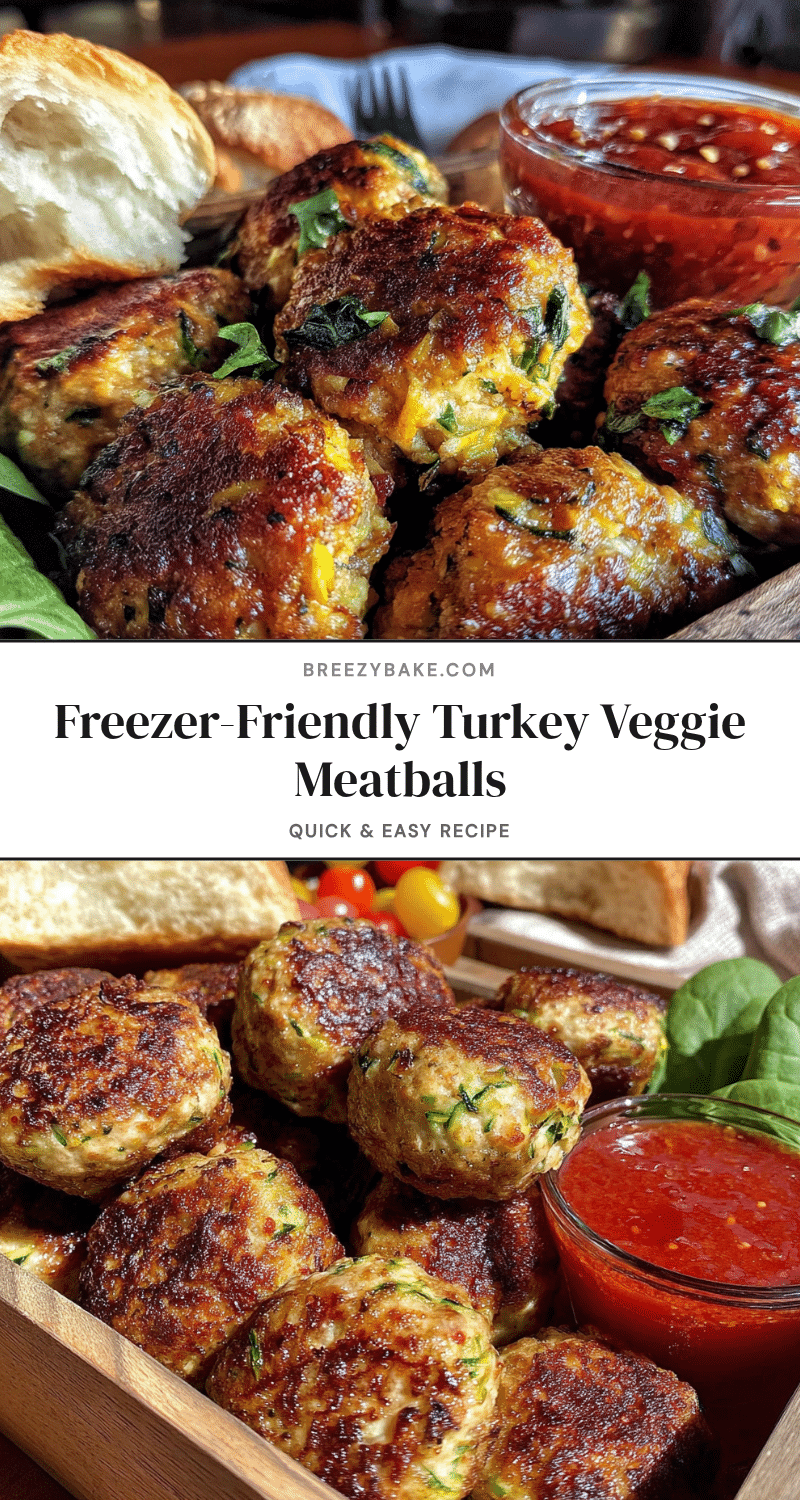
Healthy Turkey and Veggie Meatballs: Freezer-Friendly Meal

These healthy turkey and veggie meatballs are juicy, flavorful, and perfect for meal prep. Made with ground turkey, zucchini, and carrots, they’re a crowd-pleaser that freezes beautifully for busy weeknights.
- Prep Time: 20 minutes
- Cook Time: 20 minutes
- Total Time: 40 minutes
- Yield: 4 servings 1x
- Category: Main Course
- Cuisine: American
Ingredients
- 1 pound ground turkey (93/7)
- 1 medium zucchini (about 1 cup grated)
- 1 medium carrot (about 1/2 cup grated)
- 1/2 medium yellow onion (about 1/4 cup finely diced)
- 3 cloves garlic, minced
- 1/2 cup panko breadcrumbs
- 1/4 cup grated Parmesan cheese
- 1 large egg
- 1 teaspoon dried oregano
- 1 teaspoon dried basil
- 1 teaspoon fine sea salt
- 1/2 teaspoon freshly ground black pepper
- 2 tablespoons olive oil
- 2 tablespoons fresh parsley, chopped (optional, for garnish)
Instructions
- Preheat your oven to 400°F (200°C). Line a baking sheet with parchment paper and set it aside.
- Grate the zucchini and carrot using a box grater. Place the grated vegetables in a clean kitchen towel or cheesecloth, gather the corners, and squeeze firmly over the sink to remove as much liquid as possible. Set aside.
- Heat 1 tablespoon of olive oil in a large skillet over medium heat. Add the diced onion and cook for 3-4 minutes until translucent. Add the minced garlic and cook for another 30 seconds until fragrant. Remove from heat and let cool slightly.
- In a large mixing bowl, combine the ground turkey, squeezed zucchini and carrot, sautéed onion and garlic, breadcrumbs, Parmesan cheese, egg, oregano, basil, salt, and pepper. Use your hands to gently mix until just combined. Do not overmix.
- Using a cookie scoop or your hands, form the mixture into 1.5-inch meatballs (about 1.5 tablespoons each). You should get around 20-24 meatballs. Place them on the prepared baking sheet, spacing them about 1 inch apart.
- Drizzle the remaining 1 tablespoon of olive oil over the meatballs. Bake for 18-22 minutes, or until the internal temperature reaches 165°F (74°C) and the meatballs are golden brown on the outside. Halfway through, gently rotate the baking sheet for even browning.
- Let the meatballs cool on the baking sheet for 5 minutes, then transfer them to a wire rack to cool completely.
- If freezing: Once completely cool, arrange the meatballs in a single layer on a parchment-lined baking sheet and freeze for 1-2 hours until solid. Transfer to a freezer-safe bag or container. Label with the date and use within 3 months.
Notes
Don’t skip squeezing the zucchini dry—this prevents soggy meatballs. Use a light touch when mixing to avoid tough meatballs. For best results, chill the mixture for 15-20 minutes if it feels too soft. These meatballs taste even better the next day as flavors meld.
Nutrition
- Serving Size: 5-6 meatballs
- Calories: 310
- Sugar: 5
- Sodium: 725
- Fat: 12.5
- Saturated Fat: 4
- Carbohydrates: 15
- Fiber: 2.5
- Protein: 35
Keywords: turkey meatballs, healthy meatballs, veggie meatballs, freezer-friendly, meal prep, ground turkey, zucchini meatballs