My friend showed up at my door with a bag of pre-made butternut squash ravioli and a desperate look. She had promised her family a “fun fall dinner” but her plans fell through. The only other things in my fridge were some sage leaves past their prime, a hunk of parmesan, and half a carton of heavy cream. I looked at her, looked at the ravioli, and said, “Give me twenty minutes.”
Honestly, I wasn’t sure it would work. Ravioli can get mushy fast in a skillet. But I had this idea to brown the butter first, crisp up the sage, and then just… toss the ravioli in there with a splash of pasta water. No boiling a separate pot. No draining. Just one pan, a lot of butter, and a prayer.
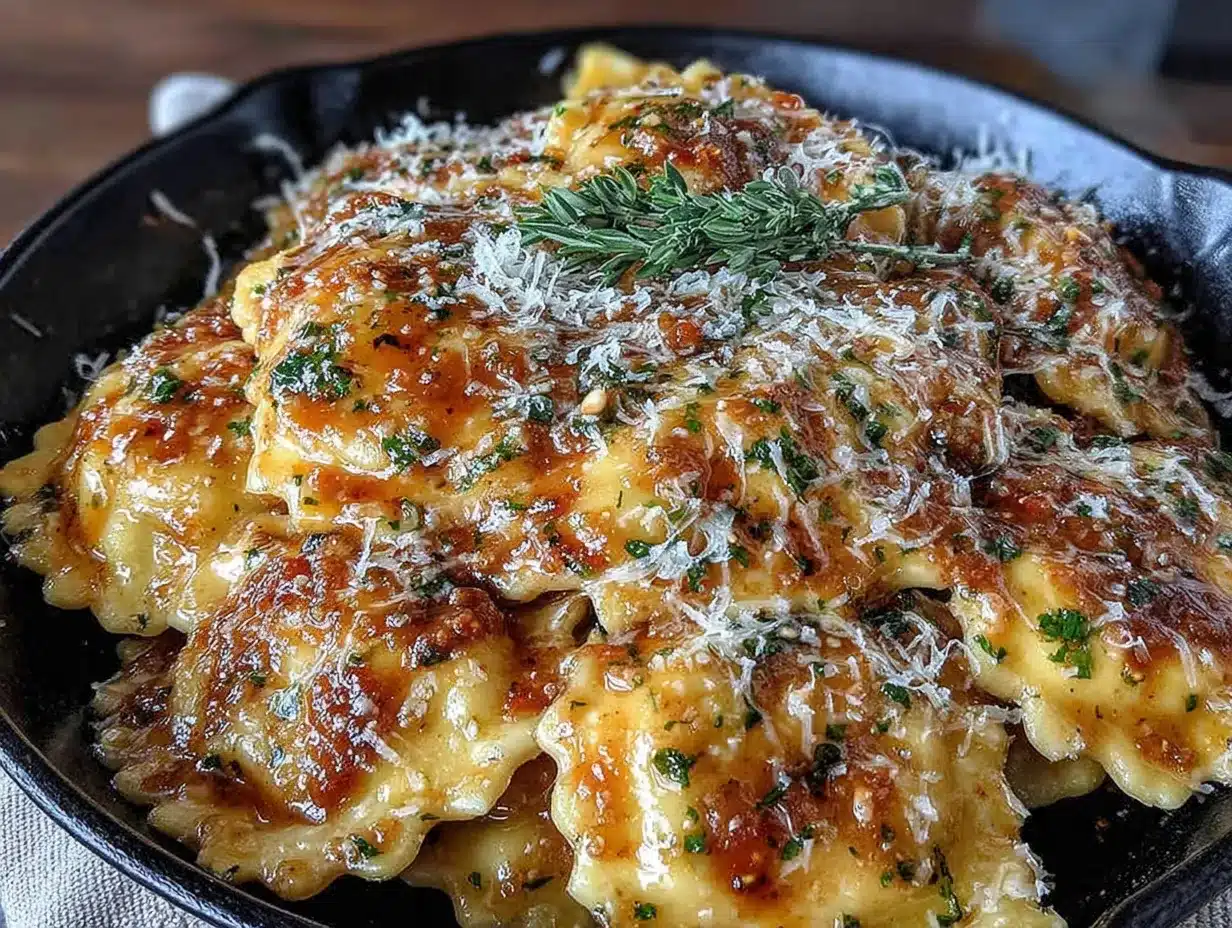
The smell that filled my kitchen was ridiculous. Nutty, savory, woodsy. By the time I slid that skillet onto the table, we were both grabbing forks before the plates were even set. And you know what? It was the best accidental dinner I’ve made in months. That’s how this Easy Butternut Squash Ravioli Skillet in 20 Minutes was born — from a fridge that had almost nothing and a friend who needed saving.
This isn’t a fussy recipe. It’s the kind you make when you want something that feels fancy but takes almost no effort. The kind that makes you look like you planned it all along.
Why You’ll Love This Recipe
Let me tell you why this Easy Butternut Squash Ravioli Skillet in 20 Minutes has become my go-to for busy nights. First off, it’s genuinely fast. We’re talking twenty minutes from start to finish, and that includes the time it takes to brown the butter. No boiling water, no colanders, no extra pots to wash.
Here’s what makes it stand out:
- One-Pan Wonder : Everything happens in a single skillet. Less cleanup means more time actually enjoying your meal.
- Store-Bought Shortcut : We’re using pre-made ravioli here. No judgment. It’s the secret weapon that makes this recipe work on a Tuesday night.
- Restaurant-Quality Flavor : Brown butter and crispy sage sounds fancy, but it’s actually one of the simplest sauces you can make. The nuttiness of the butter pairs perfectly with the sweet, earthy butternut squash filling.
- Perfect for Busy Weeknights : Whether you’re coming home late from work or just don’t feel like cooking, this recipe delivers comfort without the effort.
- Crowd-Pleaser : I’ve served this to kids, picky eaters, and dinner guests. Everyone goes back for seconds.
What makes my version different? I’ve tested this with fresh, frozen, and even homemade ravioli (don’t ask about that disaster). The technique is the same: brown the butter until it smells like toasted hazelnuts, crisp the sage until it shatters, then let the ravioli cook gently in the pan with just enough liquid to steam it through. The result is tender pasta with crispy edges and a sauce that coats every single piece.
This recipe is the kind that makes you close your eyes after the first bite. It’s comfort food reimagined — faster, simpler, but with the same soul-soothing satisfaction. Perfect for impressing guests without stress, or turning a simple Tuesday into something memorable.
What Ingredients You Will Need
This recipe uses simple, mostly pantry-friendly ingredients to deliver big flavor. Here’s what you’ll need and why each one matters.
For the Ravioli
- 1 (20-ounce) package refrigerated butternut squash ravioli (I prefer the Buitoni or Rana brand — they hold up well in the skillet and have a nice, creamy filling)
- 2 tablespoons unsalted butter (salted works too, just adjust the salt later — but unsalted lets you control the sodium better)
- 1 tablespoon olive oil (this helps prevent the butter from burning and adds a little fruity flavor)
- 8-10 fresh sage leaves (don’t use dried here — fresh sage gets wonderfully crispy in the butter)
- 1/2 cup low-sodium chicken or vegetable broth (this creates steam to cook the ravioli through without boiling it separately)
- 1/4 cup heavy cream (for richness — you can substitute half-and-half if you want it lighter)
- 1/4 cup grated Parmesan cheese (plus more for serving — use real Parmigiano-Reggiano if you can, it makes a difference)
- Salt and freshly ground black pepper (to taste)
- Pinch of nutmeg (optional, but it really brings out the squash flavor)
For Garnish (Optional but Recommended)
- Extra crispy sage leaves (for that Instagram-worthy top)
- Toasted pine nuts or walnuts (adds crunch and nuttiness)
- Red pepper flakes (if you like a little heat)
- Freshly grated Parmesan (because more cheese is always better)
Ingredient Tips: Look for ravioli that’s refrigerated, not frozen. Frozen ravioli tends to release more water and can get gummy. If you can only find frozen, thaw it in the fridge overnight first. For the sage, choose leaves that are bright green and not wilted. They’ll crisp up better. And please, for the love of all things good, use real Parmesan. The stuff in the green can won’t melt the same way.
Substitution Guidance: If you’re dairy-free, use vegan butter and a splash of oat milk instead of cream. For a gluten-free version, look for gluten-free ravioli (they cook a little faster, so watch the timing). You can also swap the sage for thyme or rosemary if that’s what you have on hand.
Equipment Needed
You don’t need much for this one, and that’s the beauty of it.
- Large skillet or frying pan (12-inch is ideal — you want enough room for the ravioli to sit in a single layer. A non-stick skillet works great, but stainless steel gives you better browning)
- Wooden spoon or silicone spatula (for stirring without scratching your pan)
- Measuring spoons (or just eyeball it — I won’t tell)
- Cheese grater (for that fresh Parmesan)
- Tongs (helpful for flipping the ravioli gently)
If you don’t have a 12-inch skillet, use whatever large pan you have. Just cook the ravioli in batches if needed — overcrowding leads to steaming instead of browning. And if you don’t have a cheese grater, buy pre-shredded Parmesan. It’s not as good, but it’ll work in a pinch.
Preparation Method
Alright, let’s make this Easy Butternut Squash Ravioli Skillet in 20 Minutes. Trust me, you’ll have this memorized after one try.
- Start by heating the skillet. Place your large skillet over medium heat. Add the olive oil and butter together. Swirl the pan as the butter melts. You want it to foam up a little — that’s the water evaporating.
- Brown the butter. Keep swirling the pan gently. The butter will go from yellow to golden to a beautiful amber color. You’ll smell it too — it should smell nutty and toasty, like toasted hazelnuts. This takes about 3-4 minutes. Watch it carefully, because burnt butter happens fast.
- Crisp the sage. Once the butter is brown, drop in the sage leaves. They’ll sizzle immediately. Let them cook for about 30 seconds per side, until they’re dark green and crispy. Use tongs to transfer them to a paper towel-lined plate. They’ll continue to crisp as they cool.
- Add the ravioli. Carefully place the ravioli in the skillet in a single layer. Don’t dump them all in at once — arrange them so they’re not touching too much. Let them cook undisturbed for 1-2 minutes. You want the bottoms to get slightly golden and crispy.
- Add the broth. Pour the chicken or vegetable broth around the edges of the pan (not directly on top of the ravioli, or you’ll wash off the browning). The broth should come about halfway up the sides of the ravioli. Cover the skillet with a lid or foil and let it steam for 3-4 minutes.
- Check for doneness. The ravioli should be tender but still hold their shape. If they’re still firm in the center, add another tablespoon of broth and steam for another minute. You’ll know they’re done when they look puffy and the edges are slightly translucent.
- Add the cream and cheese. Remove the lid. Pour the heavy cream over the ravioli and sprinkle with the Parmesan. Gently toss everything together using tongs or a spatula. The sauce will thicken as it combines with the starchy pasta water and broth.
- Season and serve. Add a pinch of nutmeg (if using), salt, and pepper to taste. Toss again. Top with the crispy sage leaves, extra Parmesan, and any other garnishes you like. Serve immediately while it’s hot and saucy.
Pro Tip: If the sauce seems too thin, let it simmer uncovered for another minute or two. If it’s too thick, add a splash of broth or pasta water. The sauce should coat the back of a spoon but still be loose enough to drizzle.
Cooking Tips & Techniques
I’ve made this Easy Butternut Squash Ravioli Skillet in 20 Minutes about a dozen times now, and I’ve learned a few things the hard way. Here’s what I wish I knew from the start.
Don’t rush the browning. I know you’re hungry, but brown butter is the soul of this dish. If you don’t let it get properly amber, you’ll miss that nutty flavor that makes everything taste so good. Low and slow is better than high and fast. And please, for the love of all things holy, don’t walk away from the pan. Brown butter goes from perfect to burnt in about 15 seconds.
Use low-sodium broth. The Parmesan is already salty, and the ravioli filling often has salt too. If you use regular broth, you might end up with a dish that’s way too salty. Low-sodium gives you control. You can always add more salt later.
Resist the urge to stir too much. I know it’s tempting to keep moving things around, but the ravioli needs to sit still to get those crispy edges. Let it brown for a minute or two before you flip or stir. Those golden bits are flavor gold.
Watch the heat. Medium heat is your friend. Too high and the butter will burn before the ravioli cooks through. Too low and you’ll end up with soggy pasta. If you hear aggressive sizzling, turn it down. If you hear nothing at all, turn it up a notch.
My biggest failure? The first time I made this, I used frozen ravioli straight from the freezer. It released so much water that the sauce turned into soup. I ended up with sad, watery ravioli swimming in a thin, greasy liquid. Not my finest moment. Now I always use refrigerated ravioli, or I thaw frozen ones first. Learn from my mistakes.
Variations & Adaptations
This Easy Butternut Squash Ravioli Skillet in 20 Minutes is wonderfully adaptable. Here are some ways to make it your own.
Vegetarian/Vegan Version: Use vegetable broth instead of chicken broth. For a vegan option, swap the butter for vegan butter or olive oil, use coconut cream or oat milk instead of heavy cream, and skip the Parmesan (or use a vegan alternative). It won’t be quite as rich, but it’s still delicious.
Add Protein: Toss in some cooked Italian sausage (crumbled), shredded rotisserie chicken, or crispy bacon bits. Add them after the ravioli is cooked, just before adding the cream. The savory meat balances the sweet squash beautifully.
Seasonal Twist: In spring, swap the sage for fresh basil and add a handful of cherry tomatoes at the end. In summer, use fresh corn kernels and a squeeze of lemon. In winter, add a pinch of cinnamon and some toasted walnuts for extra warmth.
Spicy Version: Add a pinch of red pepper flakes with the sage, or drizzle with hot honey before serving. The heat cuts through the richness of the brown butter and cream.
Different Ravioli Fillings: This technique works with any filled pasta — mushroom ravioli, spinach and ricotta, even cheese ravioli. Just adjust the seasoning to match. For mushroom ravioli, add a splash of white wine. For spinach and ricotta, add a squeeze of lemon.
My personal favorite variation? I once added a handful of toasted pine nuts and some crispy prosciutto on top. It felt like something you’d pay $28 for at a restaurant. My family didn’t even recognize it as the same quick weeknight dinner.
Serving & Storage Suggestions
This Easy Butternut Squash Ravioli Skillet in 20 Minutes is best served immediately, while the sauce is still warm and the ravioli is tender. But here’s how to handle leftovers if you have any.
Serving: Spoon the ravioli into shallow bowls, making sure to get plenty of that brown butter sauce. Top with the crispy sage leaves and a generous shower of freshly grated Parmesan. I like to serve it with a simple green salad dressed with lemon vinaigrette — the acidity cuts through the richness. A glass of crisp white wine (like Sauvignon Blanc or Pinot Grigio) pairs beautifully too.
Storage: Leftovers keep in an airtight container in the refrigerator for up to 3 days. The sauce will thicken as it cools, and the ravioli will absorb some of the liquid. Don’t worry — it’s still good, just different.
Reheating: The best way to reheat is in a skillet over medium-low heat with a splash of broth or water. Stir gently until warmed through. The microwave works in a pinch, but the ravioli might get a little soft. If you’re reheating from frozen, thaw in the fridge overnight first.
Freezing: I don’t recommend freezing the finished dish. The cream sauce can separate, and the ravioli can get mushy. If you want to meal prep, cook the ravioli and sauce separately, then combine when reheating. Or just make it fresh — it only takes 20 minutes!
Flavor Development: Honestly, this dish is best the day you make it. The brown butter flavor is at its peak when fresh. Leftovers are good, but they won’t have that same magic. So invite some friends over and eat it all in one sitting.
Nutritional Information & Benefits
Here’s an approximate nutritional breakdown per serving (based on 4 servings):
- Calories: 450-500
- Protein: 15g
- Fat: 28g
- Carbohydrates: 42g
- Fiber: 4g
- Sugar: 6g
- Sodium: 650mg (varies based on broth and cheese)
Health Benefits: Butternut squash is packed with vitamin A (great for eye health), vitamin C (immune support), and fiber (digestive health). The sage has anti-inflammatory properties, and the Parmesan adds a good dose of calcium. Even the butter has some benefits — it contains butyrate, which supports gut health.
Dietary Considerations: This recipe is vegetarian as written. It contains dairy and gluten, so it’s not suitable for those with allergies to those ingredients. For a lighter version, use half-and-half instead of heavy cream and reduce the butter to 1 tablespoon. You can also add more vegetables, like spinach or roasted mushrooms, to boost the nutritional value.
My take? This isn’t health food, but it’s not junk either. It’s real food made with real ingredients. And sometimes, that’s exactly what you need.
Conclusion
This Easy Butternut Squash Ravioli Skillet in 20 Minutes is proof that you don’t need complicated techniques or fancy ingredients to make something truly delicious. It’s the kind of recipe that saves you on a busy weeknight, impresses unexpected guests, and makes you feel like a kitchen hero with almost no effort.
I love this recipe because it’s honest. It doesn’t pretend to be something it’s not. It’s a quick, comforting meal that tastes like you spent hours on it, and that’s a beautiful thing. Whether you’re cooking for yourself, your family, or a friend who shows up at your door with a bag of ravioli and a desperate look, this dish delivers.
So go ahead — customize it, make it your own, and don’t forget those crispy sage leaves. They’re worth the extra 30 seconds.
I’d love to hear how yours turns out! Drop a comment below and let me know what variations you tried. Did you add bacon? Swap the sage for basil? Make it spicy? Share your creation — I read every single comment and I love seeing what you come up with. Happy cooking!
Frequently Asked Questions
Can I use frozen butternut squash ravioli?
Yes, but thaw it in the fridge overnight first. Frozen ravioli releases a lot of water, which can make your sauce thin and watery. If you’re in a hurry, you can cook frozen ravioli directly in the skillet, but add a little less broth and cook uncovered for the last few minutes to let the excess moisture evaporate.
Can I make this dairy-free?
Absolutely! Use vegan butter or olive oil instead of butter, and swap the heavy cream for full-fat coconut milk or oat milk. Skip the Parmesan or use a vegan alternative. The flavor will be different but still delicious. Just be careful with coconut milk — it can add a slight coconut flavor that might not pair perfectly with sage.
What if I don’t have fresh sage?
You can use dried sage, but it won’t crisp up the same way. Add 1/2 teaspoon of dried sage to the butter while it’s browning. Alternatively, try fresh thyme, rosemary, or even basil for a different flavor profile. Each herb brings its own personality to the dish.
Can I add vegetables to this dish?
Yes! This is a great way to sneak in extra veggies. Try adding a handful of fresh spinach at the end (it wilts in seconds), some roasted mushrooms, or even some quick-sautéed zucchini. If you’re adding heartier vegetables like broccoli or bell peppers, cook them first before adding the ravioli.
How do I prevent the ravioli from sticking together?
Make sure your skillet is large enough for the ravioli to sit in a single layer. If you overcrowd the pan, they’ll steam instead of brown and they’ll stick together. Use enough butter and oil to coat the bottom of the pan. And don’t stir too much — let them develop a little crust before you move them.
Pin This Recipe!

Easy Butternut Squash Ravioli Skillet in 20 Minutes

A quick and delicious one-pan meal featuring pre-made butternut squash ravioli in a brown butter and sage sauce. Ready in just 20 minutes, this recipe is perfect for busy weeknights and delivers restaurant-quality flavor with minimal effort.
- Prep Time: 5 minutes
- Cook Time: 15 minutes
- Total Time: 20 minutes
- Yield: 4 servings 1x
- Category: Main Course
- Cuisine: Italian-American
Ingredients
- 1 (20-ounce) package refrigerated butternut squash ravioli (Buitoni or Rana brand recommended)
- 2 tablespoons unsalted butter
- 1 tablespoon olive oil
- 8–10 fresh sage leaves
- 1/2 cup low-sodium chicken or vegetable broth
- 1/4 cup heavy cream
- 1/4 cup grated Parmesan cheese (plus more for serving)
- Salt and freshly ground black pepper to taste
- Pinch of nutmeg (optional)
- For garnish: extra crispy sage leaves, toasted pine nuts or walnuts, red pepper flakes, freshly grated Parmesan
Instructions
- Heat a large skillet over medium heat. Add olive oil and butter together, swirling as the butter melts until it foams.
- Continue swirling until the butter turns amber and smells nutty and toasty (about 3-4 minutes). Watch carefully to avoid burning.
- Add sage leaves to the brown butter. Cook for about 30 seconds per side until dark green and crispy. Transfer to a paper towel-lined plate.
- Place ravioli in the skillet in a single layer. Cook undisturbed for 1-2 minutes until bottoms are slightly golden and crispy.
- Pour broth around the edges of the pan (not directly on ravioli). Cover with a lid or foil and steam for 3-4 minutes.
- Check ravioli for doneness. If still firm, add another tablespoon of broth and steam for another minute until puffy and edges are slightly translucent.
- Remove lid. Pour heavy cream over ravioli and sprinkle with Parmesan. Gently toss with tongs or spatula until sauce thickens.
- Add nutmeg (if using), salt, and pepper to taste. Toss again. Top with crispy sage leaves, extra Parmesan, and other garnishes. Serve immediately.
Notes
Use refrigerated ravioli for best results; frozen ravioli can release excess water. Brown butter carefully as it can burn quickly. For a dairy-free version, use vegan butter and oat milk. For gluten-free, use gluten-free ravioli and adjust cooking time. Leftovers keep in an airtight container in the refrigerator for up to 3 days. Reheat in a skillet with a splash of broth.
Nutrition
- Serving Size: 1 serving (about 1/4
- Calories: 475
- Sugar: 6
- Sodium: 650
- Fat: 28
- Saturated Fat: 14
- Carbohydrates: 42
- Fiber: 4
- Protein: 15
Keywords: butternut squash ravioli, one-pan meal, quick dinner, brown butter sage, weeknight dinner, easy pasta recipe, fall recipe