Maya wasn’t trying to impress anyone. I’d stopped by her place on a random Tuesday to pick up a book I’d lent her months ago, and the smell hit me before I even got through the front door. It was buttery, bright, and somehow both rich and fresh at the same time—the kind of smell that makes you suddenly realize you’re starving.
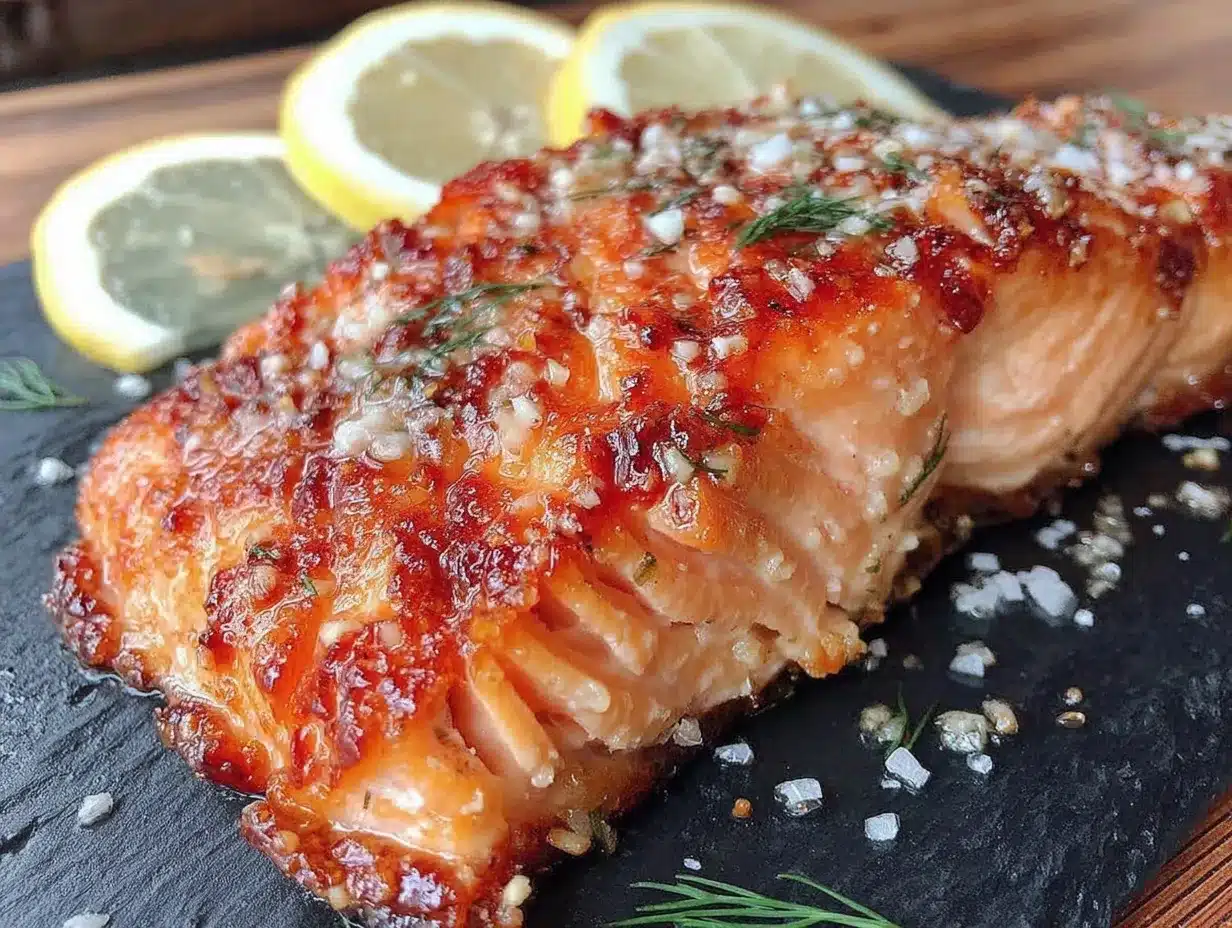
“Oh, that’s just dinner,” she said when I asked, waving her hand like she’d boiled pasta. She was wearing an old sweatshirt, and there was flour on her jeans. The salmon came out of the oven looking like something from a restaurant menu—golden edges, glossy lemon slices, butter bubbling around the fillets. She plopped it on the counter and handed me a fork.
Honestly, I think I annoyed her with how many questions I asked. “What did you put on it? How long? Do you flip it?” She just shrugged and said, “Butter, lemon, salt, bake it. That’s it.” But I watched her hands, and I knew there was more to it than that. The way she patted the fish dry. The way she layered the lemon slices underneath, not on top. The way she didn’t rush.
I went home that night and tried to recreate it. First attempt? Overcooked. Second attempt? Not enough salt. Third time, I finally got it—that perfect balance where the butter doesn’t overpower the lemon, and the salmon stays so tender it practically falls apart when you look at it. Now it’s the dish I make when I actually want to impress people, but I serve it with the same casual shrug Maya did. You know the feeling—when a recipe is so good you almost want to keep it a secret, but it’s too delicious not to share.
Why You’ll Love This Recipe
Let me tell you why this Lemon Butter Baked Salmon has become my go-to for hosting. I’ve tested this recipe at least a dozen times—for birthday dinners, casual weeknight hangs, and even a slightly stressful holiday gathering—and it has never let me down.
- Comes Together in Under 25 Minutes : From fridge to table in about 20 minutes of active time. That’s faster than ordering takeout, and way more impressive.
- Simple Ingredients, No Fancy Shopping : You probably have butter and lemons in your kitchen right now. The salmon is the only thing you need to buy, and it’s available at any grocery store.
- Perfect for Hosting : This dish looks stunning on a platter, scales easily for a crowd, and lets you relax instead of slaving over the stove while your guests mingle.
- Crowd-Pleaser Every Time : I’ve served this to picky eaters, seafood skeptics, and actual chefs. Empty plates all around. It’s the kind of recipe that gets asked for again and again.
- Unbelievably Delicious : The butter creates this silky sauce that coats each bite, the lemon keeps it bright, and the salmon stays impossibly tender. It’s comfort food that feels fancy.
What makes this version different? It’s not just throwing butter and lemon on fish. The technique matters—patting the salmon dry, using room-temperature butter, and baking at the right temperature so the fish stays moist instead of drying out. I’ve learned the hard way what goes wrong, and this method fixes all of it.
This is the recipe that makes you close your eyes after the first bite. It’s simple enough for a Tuesday but special enough for a celebration. Perfect for impressing guests without breaking a sweat.
What Ingredients You Will Need
This recipe uses simple, wholesome ingredients to deliver bold flavor and satisfying texture without the fuss. Most of these are pantry staples you probably already have on hand.
- 4 salmon fillets (6 oz each, skin-on or skinless—I prefer skin-on for extra moisture) (about 170g each)
- 4 tablespoons unsalted butter, softened to room temperature (60g) (I recommend Kerrygold for its rich flavor)
- 2 lemons (1 sliced into thin rounds, 1 reserved for juicing)
- 3 cloves garlic, minced (about 1 tablespoon)
- 1 teaspoon salt (use kosher salt for best results) (5g)
- ½ teaspoon black pepper, freshly ground (2g)
- 1 tablespoon fresh dill, chopped (or 1 teaspoon dried dill) (optional but recommended)
- 1 tablespoon olive oil (for greasing the baking dish) (15ml)
Ingredient Selection Tips: Look for salmon fillets that are bright orange-pink with firm flesh and no fishy smell. Avoid fillets that look dull or have brown edges. For the best texture, choose center-cut fillets that are evenly thick—thin tail pieces cook faster and can dry out. I usually buy my salmon from the seafood counter at Whole Foods or a local fish market.
Substitution Guidance: If you don’t have fresh dill, dried dill works fine—just use half the amount. No unsalted butter? Use salted butter and reduce the added salt to ½ teaspoon. For a dairy-free version, substitute the butter with a high-quality vegan butter or ghee. You can also swap the lemon for lime if you want a slightly different citrus profile.
Brand Recommendations: I’ve tested this with several butter brands, and Kerrygold gives the richest flavor. For salmon, I prefer wild-caught Alaskan sockeye when it’s in season, but farm-raised Atlantic salmon works beautifully too—it’s actually a bit more forgiving because of its higher fat content.
Equipment Needed
You don’t need a fancy kitchen to pull this off. Here’s what you’ll need:
- Baking dish (9×13 inch or similar size—glass or ceramic works best) (23×33 cm)
- Sharp knife (for slicing lemons and mincing garlic)
- Cutting board
- Small bowl (for mixing the butter mixture)
- Measuring spoons
- Paper towels (for patting the salmon dry—this step matters!)
- Aluminum foil (for tenting, optional)
- Fish spatula (or any thin spatula for serving)
Budget-Friendly Alternatives: Don’t have a fish spatula? A regular thin metal spatula works fine. No glass baking dish? A rimmed baking sheet lined with parchment paper works great—just watch the cooking time as it might cook slightly faster. I’ve even made this in a cast-iron skillet, and it turned out beautifully.
Personal Note: I used to struggle with salmon sticking to the pan until I started greasing the dish properly. A light coating of olive oil makes all the difference. Also, let your butter sit out for 15-20 minutes before starting—cold butter doesn’t spread evenly on the fish.
Preparation Method
- Preheat your oven to 400°F (200°C). Position the rack in the center of the oven. While it’s heating, take your salmon out of the fridge and let it sit at room temperature for 10 minutes—this helps it cook more evenly.
- Pat the salmon fillets completely dry with paper towels. This is the most important step, I swear. Moisture on the surface steams the fish instead of letting it get that beautiful golden exterior. Don’t skip this—I learned the hard way after making soggy salmon for years.
- Lightly grease your baking dish with the olive oil. Use a paper towel to spread it evenly across the bottom and up the sides slightly.
- Make the lemon butter mixture. In a small bowl, combine the softened butter, minced garlic, salt, pepper, and chopped dill. Mash it together with a fork until everything is evenly incorporated. The butter should be spreadable but not melted—if it’s too soft, pop it in the fridge for 2 minutes.
- Arrange the lemon slices in a single layer on the bottom of the greased baking dish. This creates a little bed for the salmon to sit on, infusing it with citrus flavor from underneath. Don’t overlap the slices too much.
- Place the salmon fillets on top of the lemon slices, skin-side down (if using skin-on fillets). Leave a little space between each fillet so they cook evenly instead of steaming each other.
- Spread the lemon butter mixture evenly over the top of each fillet. Use the back of a spoon or a small offset spatula to coat the surface. Don’t worry if some falls into the dish—it’ll melt into the sauce.
- Squeeze the juice of the remaining lemon over the top of the fillets. Be careful not to get seeds in the dish.
- Bake for 12-15 minutes, depending on the thickness of your fillets. For 1-inch thick fillets, 13 minutes is usually perfect. The salmon is done when it flakes easily with a fork and the internal temperature reaches 145°F (63°C). The butter should be bubbling gently around the edges.
- Optional: Broil for 1-2 minutes at the end if you want a slightly browned, crispy top. Watch it carefully—it can go from golden to burnt in seconds.
- Let the salmon rest in the dish for 2-3 minutes before serving. This allows the juices to redistribute and the butter sauce to settle.
Sensory Cues: When it’s done, the salmon should look opaque all the way through with a slight translucency at the center (it continues cooking as it rests). The butter will have turned into a glossy, lemony sauce. You should be able to flake the thickest part of the fillet easily with a fork—if it resists, give it another minute.
Troubleshooting Tips: If your salmon is cooking unevenly, it’s probably because the fillets are different thicknesses. Fold the thin tail ends under themselves to create an even thickness. If the butter starts browning too quickly, tent the dish loosely with foil for the last 5 minutes of baking.
Cooking Tips & Techniques
After making this dish more times than I can count, here’s what I’ve learned the hard way:
Patting the salmon dry is non-negotiable. I cannot stress this enough. The first time I made this, I skipped this step because I was in a hurry, and the salmon turned out pale and watery instead of golden and rich. Moisture is the enemy of browning. Take the extra 30 seconds.
Room-temperature butter spreads better. Cold butter will tear the delicate flesh of the salmon. Let it sit out for 15-20 minutes before mixing. If you forget, microwave it for 5-second intervals until it’s soft but not melted.
Don’t crowd the pan. Leave at least an inch between fillets. If they’re touching, they steam instead of bake, and you lose that beautiful texture. For a crowd, use two smaller dishes instead of one crowded one.
Check for doneness early. Salmon continues cooking after you pull it out of the oven (carryover cooking is real). I always check at 12 minutes, even if I think it needs longer. It’s better to undercook slightly and let it rest than to overcook and end up with dry fish. Remember that sad, rubbery salmon from your past? We’re not doing that today.
Let it rest. I know you’re hungry, and your guests are hovering. But those 2-3 minutes of rest are when the magic happens. The juices redistribute, the butter sauce thickens slightly, and the salmon firms up just enough to hold its shape when you serve it.
Variations & Adaptations
One of the best things about this Lemon Butter Baked Salmon is how adaptable it is. Here are some variations I’ve tried and loved:
Herb-Crusted Version: Add 2 tablespoons of panko breadcrumbs mixed with 1 tablespoon of chopped parsley and a pinch of lemon zest to the butter mixture before spreading. It creates a lovely crispy crust that contrasts with the tender fish. I made this for a dinner party last spring, and everyone asked for the recipe.
Spicy Lemon Butter: Add ½ teaspoon of red pepper flakes or a minced serrano pepper to the butter mixture. The heat cuts through the richness beautifully. My spice-loving friend begged me for this version after I served it with a side of roasted asparagus.
Garlic-Lemon Shrimp and Salmon: Add ½ pound of peeled shrimp to the baking dish around the salmon during the last 5 minutes of cooking. Toss them in a little extra lemon butter first. It turns the dish into a seafood medley that feels extra special for entertaining.
Dairy-Free Adaptation: Substitute the butter with a high-quality vegan butter or use olive oil mixed with a tablespoon of nutritional yeast for a buttery flavor. I’ve tested this with Miyoko’s vegan butter, and it works beautifully—just keep an eye on the cooking time as it can brown faster.
Lemon-Herb Butter with Capers: Stir in 1 tablespoon of drained capers into the butter mixture. The briny pops of flavor are incredible against the rich salmon. This is my go-to variation when I want something a little different without changing the basic formula.
Serving & Storage Suggestions
Serving Temperature and Presentation: Serve the salmon warm, right from the oven. Spoon the lemony butter sauce from the dish over each fillet before serving. I like to transfer the fillets to a large white platter, arrange the cooked lemon slices around them, and sprinkle with fresh dill and a pinch of flaky sea salt. It looks gorgeous with minimal effort—exactly what you want when hosting.
Complementary Dishes: This salmon pairs beautifully with roasted asparagus, a simple arugula salad with lemon vinaigrette, or garlic mashed potatoes (the butter sauce is amazing on potatoes). For a lighter option, serve it over a bed of sautéed spinach or with quinoa tossed with herbs. When I’m hosting, I usually set out the salmon alongside a big green salad and some crusty bread for soaking up the sauce.
Storage Instructions: Store leftover salmon in an airtight container in the refrigerator for up to 3 days. The flavor actually develops overnight—the lemon and butter meld together even more. I don’t recommend freezing this dish, as the texture of the salmon can become watery when thawed.
Reheating Methods: The best way to reheat is in a low oven (300°F/150°C) for 5-7 minutes, covered loosely with foil. This gently warms the salmon without drying it out. You can also reheat in a skillet over medium-low heat with a splash of water or lemon juice, covered, for 2-3 minutes. Avoid the microwave—it makes the salmon rubbery and unevenly heated.
Flavor Development: Honestly, this salmon is at its best the day it’s made. But if you have leftovers, try flaking the cold salmon over a salad the next day—it’s fantastic with mixed greens, cherry tomatoes, and a simple vinaigrette.
Nutritional Information & Benefits
Estimated Nutritional Values (per serving, based on 4 servings):
| Nutrient | Amount |
|---|---|
| Calories | 420 |
| Protein | 38g |
| Fat | 28g |
| Saturated Fat | 12g |
| Carbohydrates | 4g |
| Fiber | 1g |
| Sugar | 1g |
| Sodium | 620mg |
| Omega-3 Fatty Acids | 2.5g |
Health Benefits: Salmon is packed with omega-3 fatty acids, which support heart health and brain function. It’s also an excellent source of high-quality protein, vitamin D, and B vitamins. The lemon adds a dose of vitamin C, and garlic offers anti-inflammatory properties. This dish is naturally low in carbohydrates and can fit into a variety of dietary patterns, including Mediterranean, low-carb, and gluten-free lifestyles.
Dietary Considerations: This recipe is naturally gluten-free and low-carb. For a dairy-free version, use the substitution mentioned in the variations section. It’s also suitable for pescatarian diets. The main allergen to note is fish—obviously—and dairy from the butter.
Personal Wellness Perspective: I love that this dish feels indulgent but is actually quite healthy. The butter and salmon provide healthy fats that keep you satisfied, and the bright lemon makes it feel light. It’s the kind of meal that nourishes both body and soul—especially when shared with people you care about.
Conclusion
This Lemon Butter Baked Salmon is the recipe I keep coming back to, and I think you will too. It’s simple enough for a busy weeknight but impressive enough for hosting—the best of both worlds. The combination of tender, flaky salmon with rich, lemony butter is one of those perfect pairings that never gets old.
What I love most is how forgiving it is. Even if you’re new to cooking fish, this method practically guarantees success. The lemon slices protect the bottom from overcooking, the butter keeps everything moist, and the short cooking time means you’re never far from a delicious meal.
I’d love to hear how it turns out for you! Did you try any of the variations? Serve it with something unexpected? Drop a comment below and let me know—I read every single one, and your ideas might inspire my next kitchen experiment. And if you loved it, share this recipe with a friend who needs a go-to dish for their next dinner party. Happy cooking!
Frequently Asked Questions
Can I use frozen salmon for this recipe?
Yes, but thaw it completely in the refrigerator overnight first. Pat it very dry before cooking—frozen salmon releases more moisture, so extra drying is essential. You might need to add 2-3 minutes to the cooking time.
What if I don’t have fresh dill?
No problem! Dried dill works—use 1 teaspoon instead of 1 tablespoon. You can also substitute with fresh parsley, chives, or even a pinch of dried oregano. The recipe is flexible.
Can I make this ahead of time for a party?
You can prep the lemon butter mixture up to 2 days ahead and keep it in the fridge. Slice the lemons and arrange them in the baking dish a few hours before. But I recommend baking the salmon just before serving—it’s best fresh from the oven.
How do I know when the salmon is fully cooked?
The salmon is done when it flakes easily with a fork and the internal temperature reaches 145°F (63°C). Look for the flesh to be opaque all the way through with a slight translucency at the center—it will finish cooking as it rests.
Can I use a different type of fish?
Absolutely! This lemon butter method works beautifully with cod, halibut, sea bass, or even thick white fish fillets. Adjust the cooking time based on thickness—thinner fillets cook faster, thicker ones need a few extra minutes.
PrintEasy Lemon Butter Baked Salmon: Best Guest Dinner
This Lemon Butter Baked Salmon is a simple yet impressive dish that comes together in under 25 minutes. With tender, flaky salmon and a rich, lemony butter sauce, it’s perfect for both busy weeknights and special occasions.
- Prep Time: 10 minutes
- Cook Time: 15 minutes
- Total Time: 25 minutes
- Yield: 4 servings 1x
- Category: Main Course
- Cuisine: American
Ingredients
- 4 salmon fillets (6 oz each, skin-on or skinless) (about 170g each)
- 4 tablespoons unsalted butter, softened to room temperature (60g)
- 2 lemons (1 sliced into thin rounds, 1 reserved for juicing)
- 3 cloves garlic, minced (about 1 tablespoon)
- 1 teaspoon kosher salt (5g)
- ½ teaspoon black pepper, freshly ground (2g)
- 1 tablespoon fresh dill, chopped (or 1 teaspoon dried dill) (optional)
- 1 tablespoon olive oil (15ml)
Instructions
- Preheat your oven to 400°F (200°C). Position the rack in the center of the oven. While it’s heating, take your salmon out of the fridge and let it sit at room temperature for 10 minutes.
- Pat the salmon fillets completely dry with paper towels.
- Lightly grease your baking dish with the olive oil. Use a paper towel to spread it evenly across the bottom and up the sides slightly.
- In a small bowl, combine the softened butter, minced garlic, salt, pepper, and chopped dill. Mash it together with a fork until everything is evenly incorporated.
- Arrange the lemon slices in a single layer on the bottom of the greased baking dish.
- Place the salmon fillets on top of the lemon slices, skin-side down (if using skin-on fillets). Leave a little space between each fillet.
- Spread the lemon butter mixture evenly over the top of each fillet.
- Squeeze the juice of the remaining lemon over the top of the fillets.
- Bake for 12-15 minutes, depending on the thickness of your fillets. The salmon is done when it flakes easily with a fork and the internal temperature reaches 145°F (63°C).
- Optional: Broil for 1-2 minutes at the end if you want a slightly browned, crispy top.
- Let the salmon rest in the dish for 2-3 minutes before serving.
Notes
Patting the salmon dry is crucial for a golden exterior. Use room-temperature butter for easy spreading. Let the salmon rest after baking for best texture. For a dairy-free version, use vegan butter or ghee.
Nutrition
- Serving Size: 1 fillet
- Calories: 420
- Sugar: 1
- Sodium: 620
- Fat: 28
- Saturated Fat: 12
- Carbohydrates: 4
- Fiber: 1
- Protein: 38
Keywords: lemon butter salmon, baked salmon, easy salmon recipe, salmon dinner, healthy salmon, gluten-free salmon, low-carb salmon