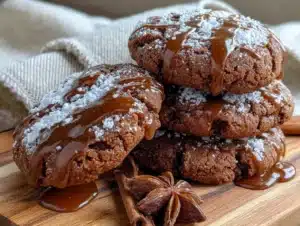
My neighbor, a woman named Clara who has lived three doors down for almost a decade, had sworn off gingerbread cookies for years. “Too dry,” she’d say, wrinkling her nose every time the topic came up around the holidays. “And honestly, they always taste like a spice cabinet exploded in my mouth.” I nodded politely, but inside I was plotting. I mean, who doesn’t love a good soft gingerbread cookie?
Then last December, I was testing batches for a blog post—you know, the kind of afternoon where your kitchen looks like a flour bomb went off and you’re covered in a fine dusting of powdered sugar. I had just pulled a tray of these particular cookies out of the oven, and I was drizzling the molasses glaze over them when I heard a knock at the back door. It was Clara, holding a casserole dish she was returning. She froze mid-step, her eyes locking onto those cookies like a hawk spotting its prey.
“What are those?” she asked, her voice a little too casual. I told her, and she muttered something about them probably being okay. She took one. And then another. And then she asked for the recipe before she even left the kitchen. Honestly, the look on her face was priceless—like she’d just discovered that the thing she thought she hated was actually her new favorite thing. That’s the power of these cookies. They’re not just another gingerbread recipe; they’re the one that changes minds.
Why You’ll Love This Recipe
Let me tell you, these aren’t your average gingerbread cookies. I’ve tested this recipe more times than I care to admit—through burnt batches, flat discs, and one particularly memorable incident where I forgot the molasses entirely. (Don’t ask. It was a long day.) After all that trial and error, I can confidently say this version is the real deal.
- Quick & Easy: From start to finish, you’re looking at about 30 minutes of active time. The dough comes together in one bowl—no mixer required, just a good old-fashioned wooden spoon and some elbow grease.
- Simple Ingredients: You probably have most of these in your pantry right now. No weird specialty items or trips to three different stores. Just honest, wholesome ingredients that work together beautifully.
- Perfect for the Holidays: These cookies are made for cozy evenings, cookie swaps, and those moments when you need something sweet to go with a cup of tea. They’re also fantastic for gifting—just saying.
- Crowd-Pleaser: I’ve served these to kids, adults, and even a few self-proclaimed gingerbread skeptics (looking at you, Clara). Every single person has asked for seconds. It’s almost embarrassing how popular they are.
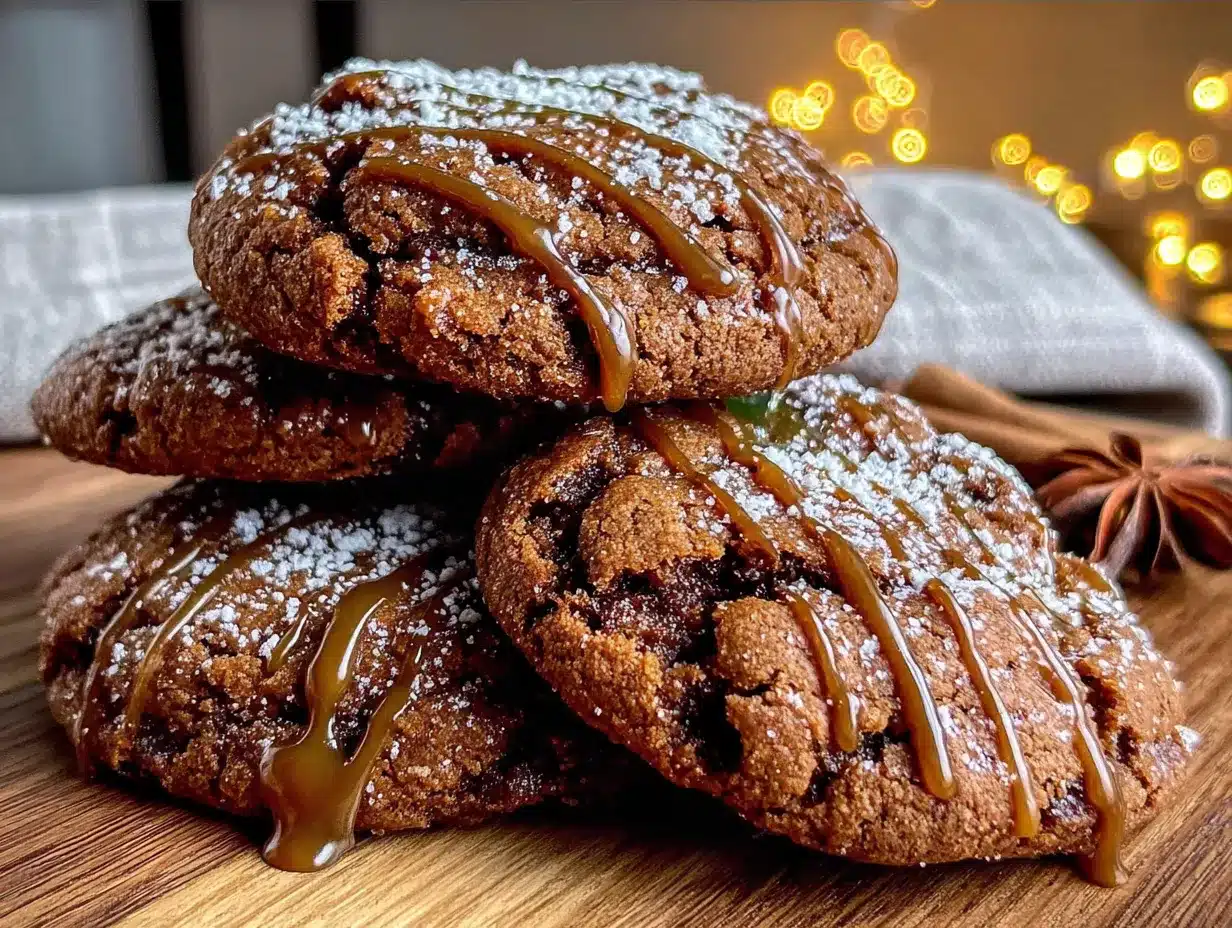
- Unbelievably Delicious: The texture is what gets you. They’re soft—like, cloud-soft—with just the right amount of chewiness. And that molasses glaze? It’s the perfect finishing touch, adding a subtle sweetness that doesn’t overpower the warm spices.
What makes these different from every other gingerbread cookie out there? It’s the technique. I use a combination of butter and a touch of coconut oil to keep them tender, and I let the dough rest in the fridge for just long enough to develop the flavors without getting rock-hard. The result is a cookie that’s deeply spiced but never harsh, sweet but not cloying, and soft enough to make you close your eyes after the first bite. It’s comfort food reimagined—healthier, faster, but with the same soul-soothing satisfaction you crave during the colder months.
What Ingredients You Will Need
This recipe uses simple, wholesome ingredients to deliver bold flavor and satisfying texture without the fuss. Most of these are pantry staples, which makes these cookies perfect for spontaneous baking sessions.
For the Cookies:
- 2 ½ cups (310g) all-purpose flour – Spoon and level for accuracy; too much flour makes dry cookies
- 1 teaspoon baking soda – Helps the cookies spread just enough
- ½ teaspoon salt – Balances the sweetness and enhances the spices
- 2 teaspoons ground ginger – The star of the show; I prefer McCormick for consistent heat
- 1 ½ teaspoons ground cinnamon – Warm and familiar
- ½ teaspoon ground cloves – A little goes a long way (adds depth)
- ¼ teaspoon ground nutmeg – Freshly grated if you have it, but pre-ground works fine
- ½ cup (113g) unsalted butter, softened – Room temperature is key for even mixing
- 2 tablespoons coconut oil, softened (not melted) – This is my secret for extra-soft cookies; use refined for a neutral flavor
- ½ cup (100g) packed dark brown sugar – Adds moisture and a deeper molasses flavor
- ¼ cup (50g) granulated sugar – For sweetness and a slight crisp on the edges
- 1 large egg, room temperature – Helps bind everything together
- ⅓ cup (80ml) unsulphured molasses – Not blackstrap; use Grandma’s or Brer Rabbit for the right balance
- 1 teaspoon vanilla extract – Pure, not imitation
For the Molasses Glaze:
- 1 cup (120g) powdered sugar, sifted – Lumps are the enemy of a smooth glaze
- 2 tablespoons unsulphured molasses – Same kind as above
- 2-3 tablespoons milk or water – Start with 2 and add more if needed
- ½ teaspoon vanilla extract – Optional, but nice
Ingredient Tips: Look for unsulphured molasses—it has a cleaner, less bitter flavor than blackstrap. If you’re dairy-free, you can swap the butter for a high-quality vegan butter stick (I like Miyoko’s). And if you don’t have coconut oil on hand, just use an extra 2 tablespoons of butter. The texture will be slightly different, but still delicious.
Equipment Needed
You don’t need a fancy kitchen to make these cookies, which is one of the reasons I love this recipe so much.
- Large mixing bowl – For combining dry and wet ingredients
- Wooden spoon or sturdy spatula – No mixer required, though you can use a hand mixer if you prefer
- Measuring cups and spoons – Accurate measurements matter here
- Baking sheets – I use two to speed things up; line them with parchment paper or silicone baking mats
- Cookie scoop (about 1.5 tablespoons) – For evenly sized cookies; a spoon works too
- Wire cooling rack – Essential for letting the glaze set properly
- Small whisk or fork – For the glaze
If you don’t have a cookie scoop, just use two spoons to portion the dough. And if you’re short on cooling racks, you can let the cookies cool on the baking sheet for a few extra minutes before transferring them to a plate. I’ve done it plenty of times—it’s not ideal, but it works.
Preparation Method
- Whisk the dry ingredients. In a medium bowl, whisk together the flour, baking soda, salt, ginger, cinnamon, cloves, and nutmeg. Set aside. (This ensures the spices are evenly distributed—no one wants a mouthful of straight cloves.)
- Cream the butter, coconut oil, and sugars. In a large bowl, beat the softened butter, coconut oil, brown sugar, and granulated sugar together until light and fluffy, about 2-3 minutes. You can do this by hand with a wooden spoon, but a hand mixer makes it easier. The mixture should look pale and slightly aerated.
- Add the wet ingredients. Beat in the egg, molasses, and vanilla extract until well combined. The mixture will look a bit curdled at this point—don’t panic, that’s normal. It will come together once you add the flour.
- Combine wet and dry. Gradually add the dry ingredients to the wet mixture, stirring until just combined. Be careful not to overmix, or the cookies will be tough. The dough will be soft and slightly sticky—that’s what you want.
- Chill the dough. Cover the bowl with plastic wrap and refrigerate for at least 1 hour, or up to 24 hours. This step is non-negotiable. Chilling firms up the dough, prevents excessive spreading, and allows the flavors to meld together beautifully. (I once skipped this step out of impatience, and my cookies turned into flat, crispy discs. Learn from my mistakes.)
- Preheat and prepare. When you’re ready to bake, preheat your oven to 350°F (175°C). Line your baking sheets with parchment paper or silicone mats.
- Portion the dough. Use a cookie scoop or two spoons to portion out rounded tablespoons of dough (about 1.5 tablespoons each). Roll them into balls between your palms—the dough should be firm enough to handle now. Place them 2 inches apart on the prepared baking sheets.
- Bake. Bake for 10-12 minutes, or until the edges are set and the tops are just starting to crack. The centers will look slightly underdone—that’s perfect. They’ll continue to set as they cool. (For softer cookies, aim for 10 minutes. For slightly firmer ones, go for 12.)
- Cool. Let the cookies cool on the baking sheet for 5 minutes, then transfer them to a wire cooling rack to cool completely before glazing. If you glaze them while they’re still warm, the glaze will melt right off. Trust me on this one.
- Make the glaze. In a small bowl, whisk together the powdered sugar, molasses, and 2 tablespoons of milk or water until smooth. Add more liquid a teaspoon at a time if needed—you’re looking for a thick but drizzle-able consistency. Drizzle the glaze over the cooled cookies using a spoon or a piping bag with the tip snipped off.
- Let the glaze set. Allow the glaze to set for at least 30 minutes before stacking or storing the cookies. If you’re impatient like me, you can pop them in the fridge for 15 minutes to speed things up.
Cooking Tips & Techniques
I’ve made plenty of mistakes in the kitchen—some of them more memorable than others. Here are the lessons I’ve learned so you don’t have to repeat them.
Don’t overmix the dough. I know it’s tempting to keep stirring until everything looks perfectly smooth, but overmixing develops the gluten and makes the cookies tough. Stop as soon as the flour disappears into the dough. A few streaks are fine.
Chill the dough thoroughly. This is the most important tip I can give you. Warm dough spreads like crazy in the oven, and you’ll end up with flat, sad cookies instead of thick, soft ones. If you’re in a hurry, you can pop the dough in the freezer for 20-30 minutes instead of the fridge for an hour. But honestly, the longer it chills, the better the flavor.
Watch the bake time closely. Ovens vary wildly—my old oven used to run hot, and I burned more batches than I’d like to admit. Start checking at the 9-minute mark. The cookies are done when the edges are set and the centers look slightly puffy and underdone. They’ll continue to bake on the hot baking sheet after you pull them out.
Use a cookie scoop for even sizing. This isn’t just about aesthetics—evenly sized cookies bake evenly. If you have a mix of tiny and huge cookies, some will be overdone while others are underdone. A simple 1.5-tablespoon scoop is worth the investment.
Let the glaze set completely. I know you want to eat them immediately (I do too), but the glaze needs time to firm up. If you stack the cookies too soon, you’ll end up with a sticky mess. Patience, my friend.
Variations & Adaptations
One of the best things about this recipe is how adaptable it is. Here are a few ways to make it your own.
Gluten-Free Version: Swap the all-purpose flour for a 1:1 gluten-free baking flour blend (I like King Arthur Measure for Measure). The texture will be slightly more delicate, but still soft and delicious. Add an extra tablespoon of milk to the dough if it seems too dry.
Vegan Option: Replace the butter with a vegan butter stick (like Earth Balance), use a flax egg (1 tablespoon ground flaxseed mixed with 3 tablespoons water, let sit for 5 minutes), and swap the milk in the glaze for a plant-based milk. The cookies will be a tad less rich, but still wonderful.
Spice It Up: If you like a little heat, add ¼ teaspoon of black pepper or a pinch of cayenne pepper to the dry ingredients. It sounds strange, but it actually enhances the ginger and gives the cookies a subtle warmth that lingers.
Citrus Twist: Add 1 teaspoon of orange zest to the dough along with the wet ingredients. The bright citrus flavor pairs beautifully with the molasses and spices. I tried this on a whim one afternoon, and it’s become one of my favorite variations.
Different Glazes: Not a fan of molasses glaze? Try a simple powdered sugar glaze with a splash of lemon juice, or a cream cheese glaze for extra richness. You can also skip the glaze entirely and roll the cookies in cinnamon sugar before baking for a simpler finish.
Serving & Storage Suggestions
These cookies are best served at room temperature, with a tall glass of cold milk or a steaming cup of chai tea. They’re perfect for holiday cookie platters, afternoon snacks, or late-night treats when you need something sweet but not too heavy.
For storage, place the cookies in an airtight container at room temperature. They’ll stay soft for up to 5 days—if they last that long. I usually layer them with parchment paper between each row to prevent the glaze from sticking. Pro tip: toss a slice of bread into the container; it absorbs excess air and keeps the cookies extra soft. Just replace the bread every couple of days.
You can also freeze these cookies, with or without the glaze. To freeze unglazed cookies, let them cool completely, then place them in a single layer in a freezer-safe bag or container. They’ll keep for up to 3 months. When you’re ready to enjoy them, thaw at room temperature and add the glaze fresh. For glazed cookies, freeze them in a single layer on a baking sheet until solid, then transfer to a container. Thaw in the fridge overnight to prevent condensation from ruining the glaze.
One thing I’ve noticed: these cookies actually get better after a day or two. The spices mellow and meld together, and the texture becomes even softer. So don’t be afraid to make them ahead of time—they’re practically designed for it.
Nutritional Information & Benefits
While these are still a treat (let’s not pretend otherwise), they’re made with wholesome ingredients that offer a few nutritional perks. Each cookie (with glaze) contains approximately 140 calories, 5g fat, 22g carbs, 1g fiber, 12g sugar, and 2g protein. (Values are estimates and will vary based on specific ingredients and portion sizes.)
Molasses is a surprisingly good source of iron, calcium, and magnesium—so there’s that. And the ginger in these cookies isn’t just for flavor; it’s known for its anti-inflammatory properties and can help settle an upset stomach. Cinnamon, meanwhile, is packed with antioxidants and may help regulate blood sugar levels. I’m not saying these cookies are health food, but they’re certainly a step up from the ultra-processed stuff you’d find at the store.
For those with dietary restrictions, these cookies can easily be made gluten-free or vegan (see the variations section above). They also contain dairy and eggs in the standard version, so keep that in mind if you’re baking for someone with allergies.
Conclusion
These soft gingerbread cookies with molasses glaze are the kind of recipe that becomes a tradition. They’re simple enough for a Tuesday night baking session but special enough for holiday gatherings. The texture is spot-on—soft, chewy, and tender—and the flavor is warm and comforting without being overwhelming.
I love that this recipe is forgiving. You can tweak the spices, swap the glaze, or make them ahead of time, and they still turn out beautifully. And honestly, there’s something deeply satisfying about watching someone who claims to hate gingerbread cookies take a bite and immediately reach for another one. (Hi, Clara.)
So go ahead—give these a try. Make them your own. Add a little extra cinnamon if that’s your thing, or skip the glaze if you prefer a simpler cookie. However you make them, I hope they bring a little warmth and sweetness to your kitchen. And if you do try them, I’d love to hear how they turn out. Drop a comment below or tag me in your photos—it always makes my day to see these cookies in someone else’s kitchen.
Frequently Asked Questions
Can I use blackstrap molasses instead of unsulphured?
I wouldn’t recommend it. Blackstrap molasses has a much stronger, more bitter flavor that can overwhelm the other spices. Stick with unsulphured molasses for the best balance of sweetness and depth. If blackstrap is all you have, use ¼ cup and add an extra tablespoon of brown sugar to compensate.
Why did my cookies spread too much?
This usually happens for one of two reasons: the dough wasn’t chilled long enough, or the butter was too soft when you mixed it. Make sure your dough chills for at least 1 hour, and if your kitchen is warm, pop the baking sheets in the fridge for 10 minutes before baking too.
Can I make the dough ahead of time?
Absolutely! The dough can be refrigerated for up to 3 days in an airtight container. You can also freeze the dough balls for up to 3 months—just bake them straight from frozen, adding 1-2 minutes to the bake time. No need to thaw.
How do I know when the cookies are done?
Look for set edges and slightly puffy centers. The tops should have a few cracks, and the cookies should be firm around the edges but still soft in the middle. They’ll continue to set on the baking sheet as they cool, so don’t overbake them.
Can I use a different glaze?
Of course! A simple powdered sugar glaze with lemon juice, a cream cheese glaze, or even a dusting of powdered sugar all work beautifully. You can also skip the glaze entirely and enjoy the cookies plain—they’re still delicious.
Pin This Recipe!

Wholesome Soft Gingerbread Cookies with Easy Molasses Glaze
These soft gingerbread cookies with molasses glaze are the perfect holiday treat—cloud-soft, deeply spiced, and made with simple pantry ingredients. They’re quick to prepare, crowd-pleasing, and guaranteed to convert even the biggest gingerbread skeptics.
- Prep Time: 30 minutes
- Cook Time: 10-12 minutes
- Total Time: 1 hour 40 minutes (including chilling)
- Yield: 24 cookies 1x
- Category: Dessert
- Cuisine: American
Ingredients
- 2 ½ cups (310g) all-purpose flour
- 1 teaspoon baking soda
- ½ teaspoon salt
- 2 teaspoons ground ginger
- 1 ½ teaspoons ground cinnamon
- ½ teaspoon ground cloves
- ¼ teaspoon ground nutmeg
- ½ cup (113g) unsalted butter, softened
- 2 tablespoons coconut oil, softened (not melted)
- ½ cup (100g) packed dark brown sugar
- ¼ cup (50g) granulated sugar
- 1 large egg, room temperature
- ⅓ cup (80ml) unsulphured molasses
- 1 teaspoon vanilla extract
- 1 cup (120g) powdered sugar, sifted
- 2 tablespoons unsulphured molasses
- 2–3 tablespoons milk or water
- ½ teaspoon vanilla extract (optional)
Instructions
- Whisk the dry ingredients. In a medium bowl, whisk together the flour, baking soda, salt, ginger, cinnamon, cloves, and nutmeg. Set aside.
- Cream the butter, coconut oil, and sugars. In a large bowl, beat the softened butter, coconut oil, brown sugar, and granulated sugar together until light and fluffy, about 2-3 minutes.
- Add the wet ingredients. Beat in the egg, molasses, and vanilla extract until well combined.
- Combine wet and dry. Gradually add the dry ingredients to the wet mixture, stirring until just combined. Do not overmix.
- Chill the dough. Cover the bowl with plastic wrap and refrigerate for at least 1 hour, or up to 24 hours.
- Preheat and prepare. When ready to bake, preheat oven to 350°F (175°C). Line baking sheets with parchment paper or silicone mats.
- Portion the dough. Use a cookie scoop or two spoons to portion out rounded tablespoons of dough (about 1.5 tablespoons each). Roll into balls and place 2 inches apart on prepared baking sheets.
- Bake. Bake for 10-12 minutes, until edges are set and tops are just starting to crack. Centers should look slightly underdone.
- Cool. Let cookies cool on baking sheet for 5 minutes, then transfer to a wire cooling rack to cool completely.
- Make the glaze. In a small bowl, whisk together powdered sugar, molasses, and 2 tablespoons milk or water until smooth. Add more liquid if needed for a drizzle-able consistency.
- Drizzle glaze over cooled cookies using a spoon or piping bag.
- Let glaze set for at least 30 minutes before stacking or storing.
Notes
Chill the dough thoroughly to prevent spreading. For softer cookies, bake for 10 minutes; for firmer, bake for 12. Let glaze set completely before stacking. Cookies stay soft for up to 5 days in an airtight container. Add a slice of bread to the container to keep them extra soft.
Nutrition
- Serving Size: 1 cookie
- Calories: 140
- Sugar: 12
- Sodium: 120
- Fat: 5
- Saturated Fat: 3
- Carbohydrates: 22
- Fiber: 1
- Protein: 2
Keywords: soft gingerbread cookies, molasses glaze, holiday cookies, easy gingerbread recipe, soft cookies, gingerbread with molasses