“You’ve got to try the reverse sear method with this ribeye,” my friend joked over the phone, sounding way too confident for a backyard BBQ chat. Skeptical at first, I shrugged and figured, why not? After all, ribeye steak is already a luxury, but I was tired of the usual charred edges and uneven cooking from my usual pan-sear routine. That evening, armed with a thick cut ribeye and a bit of patience, I gave the reverse sear a shot—slow roasting it before finishing with a hot skillet. The smell of sizzling fat and herbs filled the kitchen, making me forget any doubts.
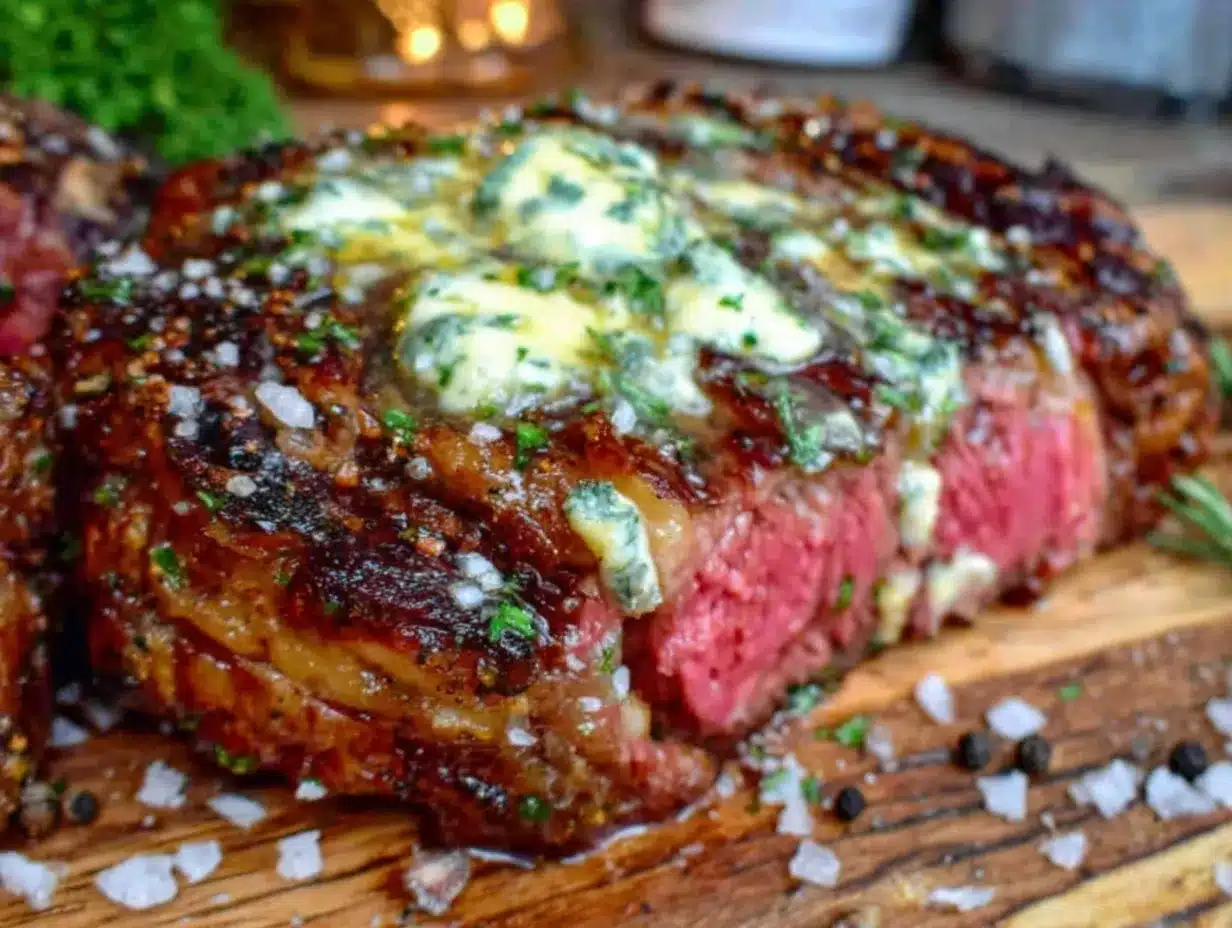
When I sliced into that steak, the crust was perfect, and the inside was tender, juicy, and cooked evenly from edge to edge—not a dry spot in sight. The herb compound butter I whipped up earlier melted luxuriously over the steak, adding a fresh, garlicky punch that made me want to make this again immediately. Honestly, I’ve repeated this recipe so often in the last few weeks it’s borderline obsession. It’s become my go-to for impressing guests and treating myself alike.
There’s something about the slow, careful cooking followed by a quick sear that transforms a simple ribeye into a restaurant-worthy experience. Plus, that herb butter? It’s the kind of finishing touch that makes you pause and savor every bite. This recipe stuck with me because it’s straightforward yet feels special—perfect for those moments when you want to treat yourself without the fuss. If you’ve ever wondered how to get that perfect crust with a tender interior, this reverse sear ribeye steak with herb compound butter might just be your new best friend.
Why You’ll Love This Recipe
After countless trials and some kitchen mishaps (like overcooking or missing that golden crust), this perfect reverse sear ribeye steak recipe has been refined for reliable results. Here’s why it’s worth your time:
- Quick & Easy: Though it sounds fancy, the reverse sear method takes about 45 minutes total, with minimal hands-on time—ideal for busy weeknights or last-minute dinner plans.
- Simple Ingredients: You only need a few staples: a good ribeye, salt, pepper, and fresh herbs for the butter. No complicated shopping trips required.
- Perfect for Special Occasions: Whether it’s a date night, weekend treat, or a casual dinner party, this steak delivers big flavor and impressive presentation.
- Crowd-Pleaser: This method consistently wins over skeptics and steak lovers alike, thanks to its juicy tenderness and crispy, flavorful crust.
- Unbelievably Delicious: The herb compound butter isn’t just a garnish—it’s a flavor bomb that adds richness and brightness in every bite.
This isn’t just another steak recipe. The magic lies in slow roasting the meat to an even medium-rare before searing, which means no more guesswork or dry edges. The butter, whipped with garlic, parsley, and thyme, melts into the steak, creating a mouthwatering combo you won’t forget. In fact, it reminds me a bit of the richness found in my crispy loaded bacon mac and cheese casserole—comfort food with a gourmet twist. This steak recipe fits right into that same vibe: familiar but elevated.
What Ingredients You Will Need
This recipe uses simple, wholesome ingredients to deliver bold flavor and a satisfying texture without the fuss. Most are pantry staples or fresh herbs you can find year-round.
- Ribeye steak (1.5 to 2 inches thick, about 12-16 oz or 340-450 g): Choose a well-marbled cut from a trusted butcher or brand for the best tenderness and flavor.
- Kosher salt (about 1 tsp per side): Essential for seasoning and helping to form the crust.
- Freshly ground black pepper (to taste): Adds mild heat and depth.
For the Herb Compound Butter:
- Unsalted butter (4 tbsp or 56 g, softened): Use high-quality, creamy butter like Plugrá or Kerrygold for richness.
- Fresh parsley (1 tbsp, finely chopped): Adds a bright, herbal note.
- Fresh thyme (1 tsp, finely chopped): Earthy and aromatic.
- Garlic (1 clove, minced): Brings that classic punch.
- Fresh lemon juice (1 tsp): A subtle zing that balances richness.
- Salt and pepper (to taste for the butter): Adjust to your preference.
For substitutions, feel free to swap thyme with rosemary for a piney twist or use dairy-free butter if needed. If you don’t have fresh herbs, a teaspoon of dried can work in a pinch, though fresh is best. This herb butter is a great way to take your steak from good to memorable without complicating things.
Equipment Needed
- Oven-safe wire rack and baking sheet: The rack allows air to circulate around the steak for even cooking. If you don’t have one, placing the steak on a foil-lined baking sheet works, but a rack is ideal.
- Cast iron skillet or heavy-bottomed pan: Crucial for that final sear. Cast iron retains heat well and helps develop the perfect crust.
- Instant-read meat thermometer: Not fancy, but invaluable for precision. This tool takes the guesswork out of doneness and helps avoid overcooking.
- Mixing bowl and small spatula: For whipping the herb compound butter smoothly.
If you’re on a budget, a simple metal cooling rack and a heavy stainless steel pan can substitute for the wire rack and cast iron skillet. Just make sure your pan gets nice and hot before searing. I learned the hard way that skipping the thermometer leads to a gamble, so investing in a reliable one really pays off.
Preparation Method
- Preheat your oven to 275°F (135°C). This low temperature is key to the reverse sear, gently bringing the steak to an even temperature without drying it out. Give your oven at least 10 minutes to stabilize.
- Season the steak generously. Pat your ribeye dry with paper towels—this helps the crust later. Season both sides with kosher salt and freshly ground black pepper. Don’t be shy; this seasoning forms the flavor foundation.
- Place the steak on the wire rack over the baking sheet. This setup allows hot air to circulate evenly around the meat. Slide it into the oven.
- Cook the steak until it reaches an internal temperature of about 115°F (46°C) for medium-rare. This usually takes 25-35 minutes depending on steak thickness. Use an instant-read thermometer to check. This slow, gentle heat cooks the steak through without overcooking edges.
- While the steak is in the oven, prepare the herb compound butter. In a small bowl, combine softened unsalted butter, minced garlic, chopped parsley, thyme, lemon juice, salt, and pepper. Mix thoroughly until smooth and creamy. Chill in the fridge if you want it firmer.
- Heat your cast iron skillet over high heat. Let it get smoking hot—this ensures a quick, flavorful sear that locks in juices.
- Remove the steak from the oven and immediately sear it. Add a small splash of high-smoke point oil (like avocado or grapeseed) to the hot pan. Place the steak down and sear for about 1-2 minutes per side until a deep brown crust forms. Don’t forget to sear the edges briefly by holding the steak with tongs.
- Remove the steak from the pan. Rest it on a cutting board for 5-10 minutes. This resting period lets the juices redistribute, keeping your steak juicy.
- Top the steak with a generous dollop of the herb compound butter. Watch it melt slowly, infusing the meat with fresh herbal flavors and silky richness.
- Slice against the grain and serve immediately. Enjoy the perfect contrast of a tender interior and crisp, flavorful crust.
One trick I picked up is to avoid flipping the steak repeatedly during searing; let it develop that crust naturally. Also, resting the steak might feel like waiting too long, but it truly makes a difference in juiciness. If you’re curious about pairing this with a side, my healthy chicken veggie skillet wraps make a fresh, light accompaniment.
Cooking Tips & Techniques
The reverse sear method is a bit of a game changer once you get the hang of it. Here are some tips to make it foolproof:
- Don’t rush the oven phase. The slow cooking at a low temperature lets the steak warm evenly. If you jump to searing too soon, you risk an undercooked center or uneven doneness.
- Pat the steak dry before seasoning. Moisture on the surface can steam the meat rather than sear it, so drying is key for that perfect crust.
- Use a thermometer. I can’t stress this enough. Depending on your oven and steak thickness, cooking times vary. Relying on temperature instead of time ensures consistent results.
- Get your pan smoking hot before searing. This creates the Maillard reaction—the delicious browning that adds flavor and texture.
- Don’t crowd the pan. If cooking multiple steaks, sear them one at a time for the best crust. Overcrowding drops the pan temperature, leading to steaming instead of searing.
- Rest the steak after searing. This keeps the juices locked in and avoids a dry bite.
One time I tried skipping the oven step and just pan-seared a thick ribeye, ending up with a burnt outside and raw middle. It was a humbling reminder that the reverse sear really does work wonders. Also, multitasking helps—while the steak is in the oven, making the herb butter or prepping sides keeps things moving efficiently.
Variations & Adaptations
Feel free to tweak this recipe to suit your tastes or dietary needs. Here are a few ideas I’ve tried or thought would be great:
- Garlic and Rosemary Butter: Swap thyme for rosemary and add a little roasted garlic for a deeper, woodsy flavor.
- Spicy Herb Butter: Add a pinch of cayenne or smoked paprika to the butter for a subtle kick that pairs beautifully with the rich steak.
- Butter-Free Option: For a lighter finish, try a drizzle of good-quality extra virgin olive oil mixed with fresh herbs and lemon zest instead of butter.
- Cooking Method Swap: If you don’t have an oven, try sous vide to slow-cook the steak before searing. It’s a bit more equipment but yields similar results.
- Allergen-Friendly: Use a dairy-free butter substitute like vegan margarine or coconut oil for those avoiding dairy.
One personal favorite variation is adding a touch of blue cheese into the compound butter for a tangy, creamy contrast. It’s indulgent but worth every bite. If you enjoy the rich flavor profile of this steak, you might also appreciate the creamy texture in my creamy Valentine’s strawberry cream puff bars for dessert—both have that balance of richness and freshness.
Serving & Storage Suggestions
Serve your reverse sear ribeye steak hot from the pan, topped with a melting pat of herb butter for the best experience. I like to slice it on a warm platter and garnish with a sprig of fresh thyme or parsley for a little extra flair.
For sides, simple roasted vegetables, garlic mashed potatoes, or a crisp salad complement the steak beautifully without overpowering it. A glass of bold red wine or a sparkling water with lemon works well to balance the richness.
If you have leftovers (and it happens less often than you’d think), wrap the steak tightly in foil and store in the fridge for up to 3 days. Reheat gently in a low oven (around 250°F/120°C) or in a skillet over medium heat to avoid drying out. The butter flavor actually deepens with time, making cold steak slices great for sandwiches or salads the next day.
Flavors meld overnight, so if you have time, letting the steak rest wrapped in butter for a few hours before serving can be a game changer. For a fresh dinner idea, you could pair that steak with the healthy chicken veggie breakfast bake cups for a hearty weekend brunch twist.
Nutritional Information & Benefits
This perfect reverse sear ribeye steak recipe delivers a rich source of protein, essential for muscle repair and growth. Ribeye’s marbling provides healthy fats that contribute to satiety and energy. The herb compound butter adds antioxidants from fresh parsley and thyme, while garlic offers cardiovascular benefits.
Estimated nutrition per serving (1 steak with herb butter):
| Calories | 650-750 kcal |
|---|---|
| Protein | 50-55 g |
| Fat | 50-55 g |
| Carbohydrates | 0-1 g |
This recipe is naturally gluten-free and low-carb, making it suitable for keto and paleo diets. If you’re watching sodium, adjust salt levels accordingly. For those with dairy allergies, substitute the butter with a plant-based alternative to keep it safe and delicious.
From a wellness perspective, this steak offers satisfying nourishment that feels indulgent without being overly processed or artificial. It’s a reminder that simple, quality ingredients prepared thoughtfully can make a meal both nourishing and joyful.
Conclusion
The perfect reverse sear ribeye steak with herb compound butter isn’t just a recipe—it’s a little ritual of patience and care that pays off with every juicy, flavorful bite. I love how it turns a steak dinner into a special occasion without complex steps or fancy gadgets. You can customize the butter, adjust seasoning, and pair it with your favorite sides to make it truly your own.
Whether you’re cooking for a crowd or just yourself, this method takes the guesswork out of steak and delivers consistent, mouthwatering results. I hope it becomes a staple in your kitchen like it did in mine. Feel free to leave a comment sharing your favorite butter mix-ins or how you paired your steak. Happy cooking—and enjoy every bite!
FAQs
What is the reverse sear method?
The reverse sear involves cooking the steak slowly at a low temperature in the oven first, then finishing it with a quick, high-heat sear to develop a crust. This ensures even cooking and a juicy interior.
Can I use this method for other cuts of steak?
Yes! While ribeye is ideal because of its marbling, you can use the reverse sear for thick-cut sirloin, strip steak, or filet mignon for great results.
How do I know when the steak is done?
Use an instant-read thermometer to check internal temperature. For medium-rare, aim for about 130°F (54°C) after resting. The steak will continue to cook a bit after searing.
Can I prepare the herb compound butter in advance?
Absolutely! You can make the butter up to a day ahead and keep it refrigerated. Bring it to room temperature before serving for easy spreading.
What’s the best way to store leftover steak?
Wrap it tightly in foil or plastic wrap and refrigerate up to 3 days. Reheat gently in a low oven or skillet to maintain juiciness.
Pin This Recipe!
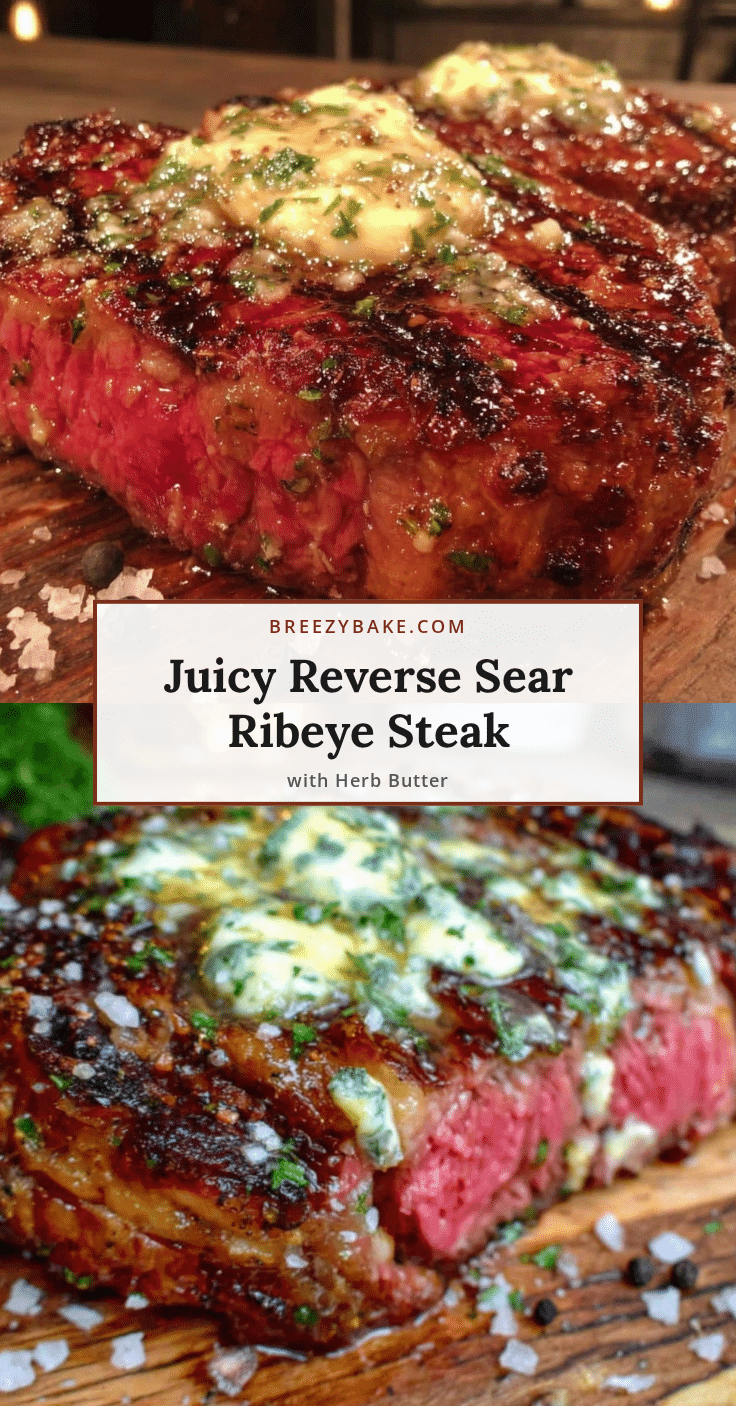
Perfect Reverse Sear Ribeye Steak Recipe with Easy Herb Butter
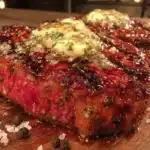
This recipe uses the reverse sear method to cook a ribeye steak slowly in the oven before finishing with a hot skillet sear, resulting in a tender, juicy steak with a perfect crust. The steak is topped with a flavorful herb compound butter for a rich, fresh finish.
- Prep Time: 10 minutes
- Cook Time: 35 minutes
- Total Time: 45 minutes
- Yield: 1 serving 1x
- Category: Main Course
- Cuisine: American
Ingredients
- 1 ribeye steak (1.5 to 2 inches thick, about 12–16 oz or 340–450 g)
- Kosher salt (about 1 tsp per side)
- Freshly ground black pepper (to taste)
- 4 tbsp (56 g) unsalted butter, softened
- 1 tbsp fresh parsley, finely chopped
- 1 tsp fresh thyme, finely chopped
- 1 clove garlic, minced
- 1 tsp fresh lemon juice
- Salt and pepper (to taste for the butter)
- High-smoke point oil (such as avocado or grapeseed oil) for searing
Instructions
- Preheat your oven to 275°F (135°C) and allow it to stabilize for at least 10 minutes.
- Pat the ribeye steak dry with paper towels. Season both sides generously with kosher salt and freshly ground black pepper.
- Place the steak on an oven-safe wire rack set over a baking sheet to allow air circulation.
- Cook the steak in the oven until it reaches an internal temperature of about 115°F (46°C) for medium-rare, approximately 25-35 minutes depending on thickness. Use an instant-read thermometer to check.
- While the steak cooks, prepare the herb compound butter by mixing softened unsalted butter, minced garlic, chopped parsley, thyme, lemon juice, salt, and pepper in a small bowl until smooth. Chill if desired.
- Heat a cast iron skillet or heavy-bottomed pan over high heat until smoking hot.
- Remove the steak from the oven and immediately sear it in the hot skillet with a small splash of high-smoke point oil. Sear for 1-2 minutes per side until a deep brown crust forms, including the edges.
- Remove the steak from the pan and rest it on a cutting board for 5-10 minutes to allow juices to redistribute.
- Top the steak with a generous dollop of the herb compound butter and let it melt over the meat.
- Slice the steak against the grain and serve immediately.
Notes
Pat the steak dry before seasoning to ensure a good crust. Use an instant-read thermometer for precise doneness. Let the pan get smoking hot before searing. Rest the steak after searing to keep it juicy. Butter can be made ahead and chilled. For dairy-free option, substitute butter with plant-based alternatives.
Nutrition
- Serving Size: 1 steak with herb co
- Calories: 650750
- Fat: 5055
- Carbohydrates: 1
- Protein: 5055
Keywords: reverse sear, ribeye steak, herb butter, steak recipe, easy steak, backyard BBQ, cast iron skillet, medium-rare steak