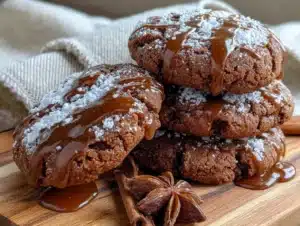
This was supposed to be apple cider donuts. I had the whole plan in my head—a lazy Sunday afternoon, a batch of those little cakey rings dusted with cinnamon sugar, the whole house smelling like a fall festival. I even bought the mini donut pan specifically for the occasion. But somewhere between pouring my second cup of coffee and realizing I was out of buttermilk, the plan started to fall apart. I subbed in regular milk with a splash of vinegar, which felt fine, until I poured the batter and realized it was way too thin for the donut pan. It would have leaked everywhere. I stood there, holding the bowl, already annoyed at myself for not checking the consistency first. My kitchen was a mess, I was out of my go-to baking shortcut, and honestly? I was this close to just giving up and ordering takeout.
But I had a 9-inch cake pan sitting right there on the counter. And I thought, well, it’s not what I planned, but it’s not ruined yet. I scraped the batter into the pan, threw it in the oven, and figured I’d salvage whatever came out. What came out was nothing like the donuts I’d envisioned—and better. The edges were perfectly caramelized, the center was tender and almost pudding-like from the apple cider, and that thin, too-runny batter turned into a cake so moist it barely held together. I drizzled a quick brown sugar glaze over the top while it was still warm, watching it sink into every crevice. My husband walked in, grabbed a slice, and said, “This is the best thing you’ve made all month.” Maybe you’ve been there—standing in a messy kitchen, one wrong move away from scrapping the whole idea. Let me tell you, this cake is why you don’t.
Why You’ll Love This Recipe
I’ve made this cake more times than I can count since that first accidental batch, and every single time, it delivers. It’s the kind of recipe that feels like a warm hug on a busy weeknight—no fuss, no fancy techniques, just pure comfort. Here’s why it’s become my go-to fall dessert:
- Quick & Easy: From start to finish, this cake is on the table in under an hour. The batter comes together in one bowl, and the glaze takes about two minutes. Perfect for those evenings when you want something homemade but don’t have hours to spend.
- Simple Ingredients: You probably have most of these in your pantry right now. No hunting down obscure spices or specialty flours—just everyday staples that work magic together.
- Perfect for Weeknights: This isn’t a showstopper cake that requires a special occasion. It’s for a Tuesday night when the kids need dessert, or when you want something sweet after a long day without the fuss.
- Crowd-Pleaser: I’ve brought this to potlucks, family dinners, and even a casual book club meeting. It disappears fast. Kids love the sweet glaze, and adults appreciate the warm, spiced flavor.
- Unbelievably Delicious: The texture is what gets everyone. The apple cider keeps it incredibly moist, almost like a cross between a cake and a pudding cake. And that brown sugar glaze? It’s not too sweet, just rich and buttery with a hint of caramel.
What makes this recipe different from the dozens of apple cider cakes out there is the technique. Most recipes call for reducing the cider on the stovetop to concentrate the flavor, which takes time and an extra pot to wash. I skip that step entirely. Instead, I use a higher ratio of cider to flour and let the oven do the work. The result is a cake that’s deeply apple-flavored without any extra effort. It’s not just another version—it’s the version you’ll actually make on a Wednesday night.
What Ingredients You Will Need
This recipe uses simple, wholesome ingredients to deliver bold flavor and satisfying texture without the fuss. Most of these are pantry staples, so you can whip this up anytime the craving hits. Here’s what you’ll need and why each one matters:
For the Cake
- 2 cups all-purpose flour: Spoon and level it for the best results. Too much flour will make the cake dry. I use Gold Medal or King Arthur for consistent texture.
- 1 ½ teaspoons baking powder: This gives the cake its lift. Make sure it’s fresh—test it by dropping a bit in hot water; if it fizzes, it’s good to go.
- ½ teaspoon baking soda: Works with the acidity in the apple cider to help the cake rise and stay tender.
- 1 teaspoon ground cinnamon: The star spice here. I prefer Saigon cinnamon for its warm, slightly sweet kick, but any cinnamon works.
- ½ teaspoon ground nutmeg: Freshly grated if you have it—it makes a difference. But pre-ground is perfectly fine for a quick weeknight bake.
- ¼ teaspoon ground cloves: Optional, but I love the depth it adds. A little goes a long way.
- ½ teaspoon salt: Don’t skip this. It balances the sweetness and brings out the apple flavor.
- ¾ cup unsalted butter, softened: Room temperature is key here. If you forgot to take it out, cut it into small cubes and microwave in 5-second bursts until soft but not melted.
- 1 cup packed brown sugar: Light or dark both work. Dark brown sugar gives a deeper molasses flavor that pairs beautifully with the cider.
- 2 large eggs, room temperature: Cold eggs can seize the batter. Place them in a bowl of warm water for 5 minutes if you’re in a hurry.
- 1 teaspoon vanilla extract: Pure vanilla adds warmth. Imitation works in a pinch, but the flavor won’t be as rich.
- 1 cup apple cider: Not apple juice! Cider is unfiltered and has a tangier, more concentrated apple flavor. Look for refrigerated cider in the produce section. I like Martinelli’s or a local orchard brand when it’s in season.
For the Brown Sugar Glaze
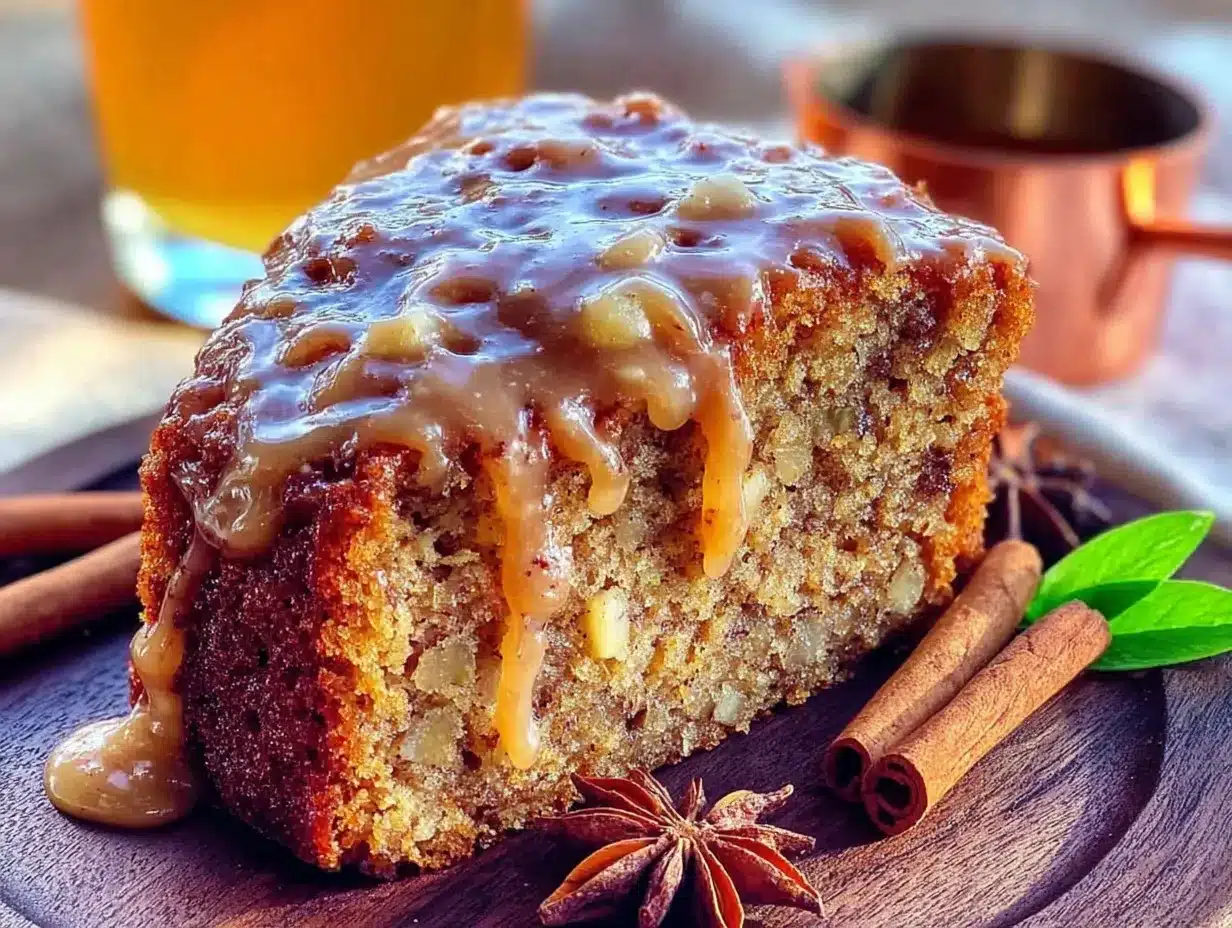
- ¼ cup unsalted butter: This forms the base of the glaze. Don’t substitute margarine—the flavor won’t be the same.
- ½ cup packed brown sugar: Use the same type you used for the cake for consistency.
- ¼ cup heavy cream: Or whole milk in a pinch. Heavy cream makes the glaze richer and creamier. (adds richness)
- ½ teaspoon vanilla extract: A little extra warmth in the glaze.
- Pinch of salt: Balances the sweetness.
- ½ cup powdered sugar, sifted: This thickens the glaze to a pourable consistency. Sifting prevents lumps.
Substitution Guidance
If you’re gluten-sensitive, swap the all-purpose flour with a 1:1 gluten-free baking blend. I’ve used Bob’s Red Mill with good results—just add an extra tablespoon of cider since gluten-free flours tend to absorb more liquid. For a dairy-free version, use vegan butter and coconut cream in the glaze. The texture will be slightly different, but still delicious. And if you don’t have apple cider, try unfiltered apple juice mixed with a teaspoon of lemon juice for that tangy kick.
Equipment Needed
You don’t need a fancy kitchen to make this cake. Here’s what I use every time:
- 9-inch round cake pan: A standard metal or nonstick pan works perfectly. Glass pans can cause the edges to overbake, so stick with metal if you can.
- Mixing bowls: One large bowl for the batter and one small bowl for the glaze. I use Pyrex glass bowls—they’re sturdy and easy to clean.
- Hand mixer or stand mixer: You can do this by hand with a whisk and some elbow grease, but a mixer makes it faster and ensures the butter and sugar are properly creamed.
- Parchment paper: Cut a circle to line the bottom of the pan. This guarantees the cake releases cleanly every time.
- Cooling rack: Essential for even cooling. If you don’t have one, use the wire rack from your oven—just make sure it’s clean.
- Small saucepan: For the glaze. A nonstick one makes cleanup a breeze.
- Whisk: For smoothing out the glaze. A silicone whisk won’t scratch your pan.
I once forgot to line my pan and spent 20 minutes coaxing the cake out with a butter knife. Learn from my mistake—spend the 30 seconds it takes to cut a parchment circle. Budget-friendly tip: reuse parchment circles by rinsing and drying them. They last for a few bakes.
Preparation Method
- Preheat your oven to 350°F (175°C). Grease a 9-inch round cake pan and line the bottom with a parchment paper circle. This step is non-negotiable if you want a clean release. I use butter or nonstick spray—both work fine.
- Whisk the dry ingredients together. In a medium bowl, combine 2 cups all-purpose flour, 1 ½ teaspoons baking powder, ½ teaspoon baking soda, 1 teaspoon cinnamon, ½ teaspoon nutmeg, ¼ teaspoon cloves, and ½ teaspoon salt. Whisk until evenly distributed. This aerates the flour and ensures the leaveners are evenly mixed, so you don’t get a pocket of baking soda in one slice.
- Cream the butter and sugar. In a large bowl, beat ¾ cup softened unsalted butter and 1 cup packed brown sugar together until light and fluffy, about 3 minutes with a hand mixer on medium speed. You’ll know it’s ready when the mixture looks pale and slightly increased in volume. Scrape down the sides of the bowl halfway through.
- Add the eggs and vanilla. Beat in 2 large eggs one at a time, mixing well after each addition. Then add 1 teaspoon vanilla extract. The batter might look a little curdled at this point—that’s normal, especially if your eggs were slightly cold. Don’t panic.
- Alternate adding dry ingredients and cider. With the mixer on low speed, add about one-third of the flour mixture, then half of the 1 cup apple cider. Repeat, ending with the final third of flour. Mix just until combined—overmixing will make the cake tough. Use a spatula to fold the batter a few times at the end, scraping the bottom of the bowl to catch any unmixed flour.
- Pour the batter into the prepared pan. It will be fairly thin—thicker than pancake batter but thinner than a traditional cake batter. Spread it evenly with the spatula. Give the pan a gentle tap on the counter to release any air bubbles.
- Bake for 35-40 minutes. The cake is done when a toothpick inserted into the center comes out clean or with a few moist crumbs. The edges should be golden brown and pulling away from the pan slightly. If the top is browning too quickly after 25 minutes, tent it loosely with foil.
- Cool the cake in the pan for 10 minutes. Then run a knife around the edge and invert it onto a cooling rack. Peel off the parchment paper and let it cool completely, about 45 minutes. Don’t rush this—a warm cake will make the glaze run right off.
- Make the glaze while the cake cools. In a small saucepan over medium heat, melt ¼ cup unsalted butter. Add ½ cup packed brown sugar and ¼ cup heavy cream, stirring constantly until the sugar dissolves and the mixture is smooth, about 2 minutes. Remove from heat and stir in ½ teaspoon vanilla extract and a pinch of salt. Let it cool for 5 minutes, then whisk in ½ cup sifted powdered sugar until smooth. The glaze should be thick but pourable—if it’s too thick, add a teaspoon of cream; if too thin, add a tablespoon more powdered sugar.
- Glaze the cake. Place the cooled cake on a serving plate. Pour the glaze over the center, then use a spatula to gently spread it toward the edges. Let some drip down the sides for that rustic look. Let the glaze set for at least 15 minutes before slicing.
Sensory cue: When you pull the cake out of the oven, the smell should be warm and spicy—cinnamon and nutmeg with a faint, tangy apple note. The top should look golden and slightly crackled, like a well-worn leather jacket. When you slice into it, the texture should be tender and almost velvety, with a slight sheen from the moisture.
Cooking Tips & Techniques
I’ve made this cake enough times to know exactly where things can go wrong. Here’s what I’ve learned the hard way so you don’t have to.
Don’t overmix the batter. I know it’s tempting to keep beating until every lump is gone, but that develops the gluten and makes the cake dense and rubbery. Stop mixing as soon as the flour disappears. A few small lumps are fine—they’ll bake out.
Check your oven temperature. My old oven ran 25 degrees hot, and I burned the first two batches before I figured it out. An oven thermometer is a $10 investment that saves a lot of heartache. If your cake is browning too fast on the outside but still raw in the center, your oven is probably too hot.
Use room temperature ingredients. I cannot stress this enough. Cold butter won’t cream properly with the sugar, leading to a dense cake. Cold eggs can cause the batter to separate. If you’re short on time, microwave the butter in 5-second bursts until soft, and place the eggs in a bowl of warm water for 5 minutes.
Let the glaze cool slightly before adding the powdered sugar. If the butter-sugar mixture is too hot, the powdered sugar will melt into a thin, greasy mess. Let it sit for 5 minutes off the heat, then whisk in the sugar.
Multitask wisely. While the cake is baking, clean up your mixing bowls and measure out the glaze ingredients. That way, when the cake comes out, you can focus on the glaze without a sink full of dishes staring at you. It’s a small thing, but it makes the whole process feel less chaotic.
One mistake I still make: I occasionally forget to sift the powdered sugar. Then I’m standing there whisking furiously, trying to break up clumps that refuse to dissolve. Sift it. Your future self will thank you.
Variations & Adaptations
This cake is a fantastic base for experimentation. Here are a few ways I’ve adapted it over the years:
Apple Cider Donut Cake: If you were originally craving donuts like I was, add ½ teaspoon of apple pie spice to the dry ingredients and swap the brown sugar glaze for a cinnamon-sugar topping. Mix ¼ cup granulated sugar with 1 teaspoon cinnamon, brush the warm cake with melted butter, and sprinkle the mixture over the top. It’s not a donut, but it scratches that itch.
Dairy-Free Version: Use ¾ cup vegan butter (I like Earth Balance) and replace the heavy cream in the glaze with full-fat coconut cream. The cake will be slightly less tender but still delicious. Just make sure the vegan butter is softened—it can be firmer than dairy butter, so let it sit out for an extra 15 minutes.
Add-Ins: Fold in 1 cup of chopped pecans or walnuts after the flour is incorporated. The crunch adds a nice contrast to the soft crumb. For a fruitier version, toss 1 cup of diced fresh apples (like Honeycrisp or Fuji) with a tablespoon of flour and fold them in. The apples soften during baking and create little pockets of sweetness.
Spice It Up: If you love gingerbread, add 1 teaspoon of ground ginger and ½ teaspoon of allspice to the dry ingredients. It gives the cake a warm, almost holiday-like flavor that pairs beautifully with the cider.
Gluten-Free Adaptation: I’ve tested this with a 1:1 gluten-free flour blend (Bob’s Red Mill is my go-to). The texture is slightly more crumbly, so let the cake cool completely before glazing. Add an extra tablespoon of apple cider to the batter to compensate for the drier flour.
Serving & Storage Suggestions
This cake is best served slightly warm, when the glaze is still soft and the crumb is at its most tender. I like to slice it into thick wedges and serve it with a dollop of lightly sweetened whipped cream or a scoop of vanilla ice cream. The cold creaminess against the warm, spiced cake is pure magic.
For a cozy weeknight dessert, pair it with a mug of hot apple cider or a cup of black coffee. The bitterness of the coffee cuts through the sweetness of the glaze beautifully. If you’re serving it for brunch, a side of crisp bacon or a simple frittata balances the sweetness.
Storage: Keep the cake in an airtight container at room temperature for up to 3 days. The glaze will soften slightly, but the flavor actually improves as the spices meld. Do not refrigerate—the cold will dry out the cake and make the glaze hard and sticky.
Freezing: You can freeze the unglazed cake for up to 2 months. Wrap it tightly in plastic wrap, then foil. When you’re ready to serve, thaw it overnight in the fridge, bring it to room temperature, and make the glaze fresh. The glaze doesn’t freeze well—it tends to separate and become grainy.
Reheating: Pop a slice in the microwave for 15 seconds to revive that just-baked warmth. Or place slices on a baking sheet and warm them in a 300°F oven for 5 minutes. The glaze will get slightly melty again, which is exactly what you want.
Flavor development note: This cake is actually better on day two. The apple cider flavor deepens and the spices become more pronounced. So if you can resist eating it all the first night, you’re in for a treat the next day.
Nutritional Information & Benefits
Per serving (based on 8 slices): Approximately 410 calories, 18g fat, 60g carbohydrates, 4g protein, 2g fiber, 38g sugar. These values are estimates and will vary based on your specific ingredients and portion sizes.
While this is certainly a treat, there are a few redeeming qualities. Apple cider contains antioxidants called polyphenols, which may help reduce inflammation and support heart health. Cinnamon is known for its anti-inflammatory properties and can help regulate blood sugar levels. And brown sugar, while still sugar, contains trace amounts of minerals like calcium and potassium—though let’s be honest, we’re eating this for the taste, not the nutrition.
If you’re watching your sugar intake, you can reduce the brown sugar in the cake to ¾ cup without sacrificing too much texture. The glaze is harder to modify, but you can use a light drizzle instead of a full coating to cut back on sweetness. This cake is also naturally nut-free if you skip the add-ins, making it a safe option for school events or gatherings.
I believe in balance—this cake is a celebration of simple, comforting ingredients. It’s not health food, but it’s made with real, recognizable components that nourish the soul. And sometimes, that’s exactly what you need.
Conclusion
This cinnamon apple cider cake started as a kitchen failure, but it quickly became one of my most-requested recipes. It’s proof that you don’t need a perfect plan to create something wonderful—sometimes the best dishes come from the moments when everything goes wrong. The moist, tender crumb, the warm spice, the rich brown sugar glaze—it all comes together in a cake that feels both rustic and special.
I hope you give this recipe a try, especially on a busy weeknight when you need a little sweetness in your life. Don’t be afraid to make it your own—swap in different spices, add nuts or apples, or double the glaze if that’s your thing. The beauty of this cake is that it’s forgiving. It’s made for real kitchens, real schedules, and real life.
When you make it, I’d love to hear how it turns out. Leave a comment below and tell me about your own kitchen happy accidents, or share a photo of your cake on social media. Let’s keep the conversation going—because the best recipes are the ones we share. Happy baking!
Frequently Asked Questions
Can I use apple juice instead of apple cider?
You can, but the flavor won’t be as rich. Apple juice is sweeter and less tangy than cider, so the cake will be a bit one-dimensional. If that’s all you have, add a teaspoon of lemon juice to mimic the acidity of cider.
Why did my cake turn out dense?
This usually happens from overmixing the batter or using cold ingredients. Mix just until the flour disappears, and make sure your butter, eggs, and cider are at room temperature. Also check that your baking powder and baking soda are fresh—old leaveners won’t give the cake enough lift.
Can I make this cake in a different pan size?
Yes! An 8-inch square pan works great—just increase the baking time by 5-10 minutes. For a loaf pan, bake for 50-60 minutes. If you’re using a bundt pan, double the recipe and bake for 45-50 minutes. Keep an eye on it and use the toothpick test to check for doneness.
How do I prevent the glaze from being too runny?
Let the butter-sugar mixture cool for a full 5 minutes before adding the powdered sugar. If the mixture is too hot, the sugar will melt and thin out the glaze. Also, make sure you sift the powdered sugar to avoid lumps that can throw off the consistency.
Can I make this cake ahead of time?
Absolutely. Bake the cake a day ahead, wrap it tightly in plastic wrap once cooled, and store it at room temperature. Make the glaze fresh on the day you plan to serve it. The cake actually tastes better on day two as the flavors meld together.
Pin This Recipe!
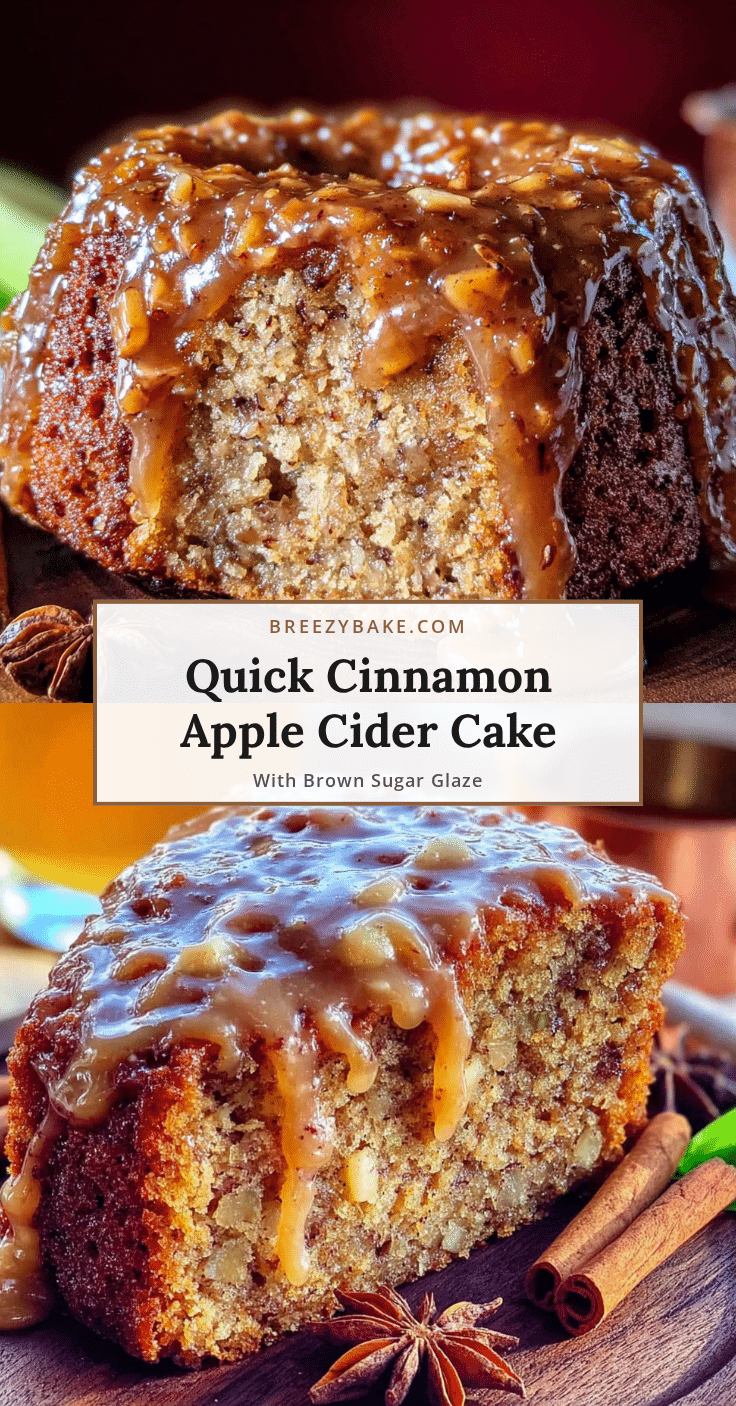
Best Easy Cinnamon Apple Cider Cake with Brown Sugar Glaze
This moist, tender apple cider cake is topped with a rich brown sugar glaze. It’s a quick and easy fall dessert that comes together in one bowl and is perfect for weeknights.
- Prep Time: 15 minutes
- Cook Time: 35-40 minutes
- Total Time: 1 hour 10 minutes
- Yield: 8 servings 1x
- Category: Dessert
- Cuisine: American
Ingredients
- 2 cups all-purpose flour
- 1 ½ teaspoons baking powder
- ½ teaspoon baking soda
- 1 teaspoon ground cinnamon
- ½ teaspoon ground nutmeg
- ¼ teaspoon ground cloves
- ½ teaspoon salt
- ¾ cup unsalted butter, softened
- 1 cup packed brown sugar
- 2 large eggs, room temperature
- 1 teaspoon vanilla extract
- 1 cup apple cider
- ¼ cup unsalted butter
- ½ cup packed brown sugar
- ¼ cup heavy cream
- ½ teaspoon vanilla extract
- Pinch of salt
- ½ cup powdered sugar, sifted
Instructions
- Preheat your oven to 350°F (175°C). Grease a 9-inch round cake pan and line the bottom with a parchment paper circle.
- Whisk the dry ingredients together: 2 cups all-purpose flour, 1 ½ teaspoons baking powder, ½ teaspoon baking soda, 1 teaspoon cinnamon, ½ teaspoon nutmeg, ¼ teaspoon cloves, and ½ teaspoon salt.
- In a large bowl, cream ¾ cup softened unsalted butter and 1 cup packed brown sugar together until light and fluffy, about 3 minutes.
- Beat in 2 large eggs one at a time, then add 1 teaspoon vanilla extract.
- With the mixer on low speed, alternately add the flour mixture and 1 cup apple cider, starting and ending with the flour. Mix just until combined.
- Pour the batter into the prepared pan and spread evenly.
- Bake for 35-40 minutes, until a toothpick inserted in the center comes out clean. Cool in the pan for 10 minutes, then invert onto a cooling rack and cool completely.
- For the glaze: In a small saucepan over medium heat, melt ¼ cup unsalted butter. Add ½ cup packed brown sugar and ¼ cup heavy cream, stirring until smooth. Remove from heat and stir in ½ teaspoon vanilla extract and a pinch of salt. Let cool 5 minutes, then whisk in ½ cup sifted powdered sugar until smooth.
- Pour the glaze over the cooled cake and let set for at least 15 minutes before slicing.
Notes
Use room temperature ingredients for best results. Do not overmix the batter. The cake is even better on day two. For a dairy-free version, use vegan butter and coconut cream.
Nutrition
- Serving Size: 1 slice
- Calories: 410
- Sugar: 38
- Sodium: 280
- Fat: 18
- Saturated Fat: 11
- Carbohydrates: 60
- Fiber: 2
- Protein: 4
Keywords: apple cider cake, brown sugar glaze, fall dessert, easy cake, cinnamon apple cake