It was 11:47 PM on a random Wednesday, and I had a ridiculous craving for something buttery and bright. Not a full meal, you know? Just a piece of fish that tasted like sunshine and felt like a hug. I didn’t have any fancy white wine or capers for a classic piccata, but I had a beautiful filet of salmon in the fridge, a wrinkly lemon, and a bunch of dill that was about to give up on life. And then it hit me—what if I just made a really, really good butter sauce and let the salmon do the heavy lifting?
I was tired, honestly. My kitchen was a mess from a chaotic day of recipe testing, and there was a half-empty jar of pickles staring at me from the counter. But that late-night quiet, when the house is still and the only sound is the hum of the fridge, it’s when I do my best cooking. No rules, no audience, just me and a craving. I grabbed my cast iron skillet—the one I’ve had for years that’s never been properly seasoned—and just went for it.
The result was one of those meals that makes you close your eyes and sigh. The salmon came out impossibly tender, with crispy, golden edges, all swimming in a garlicky, lemony, dill-flecked butter that I wanted to drink with a straw. I ate it straight from the pan, standing at the counter, and I knew I had stumbled onto something special. Maybe you’ve been there—late at night, making something simple that turns out to be unforgettable. This Easy Lemon Dill Butter Salmon is that recipe. It’s the one you’ll make when you want something that feels fancy but takes almost no effort, and it’s been on heavy rotation in my kitchen ever since. Let me tell you all about it.
Why You’ll Love This Recipe
This isn’t just another salmon recipe. I’ve tested this thing about a dozen times—trust me, I’ve had my share of dry, sad fillets. But this one? It’s different. It’s the kind of recipe that makes you feel like a professional chef without the stress. Here’s why it works so well:
- Quick & Easy: From start to finish, this dish comes together in under 20 minutes. It’s perfect for those nights when you’re hungry now and don’t want to think too hard.
- Simple Ingredients: You probably have most of this in your kitchen right now. Salmon, butter, lemon, garlic, dill—that’s it. No weird grocery store trips needed.
- Perfect for Busy Weeknights: It feels like a treat, but it’s fast enough for a Tuesday dinner. Great for impressing a guest or just treating yourself.
- Crowd-Pleaser: Even people who “don’t like fish” have asked me for the recipe. The buttery, lemony flavor is just that good.
- Unbelievably Light & Flaky: The key is cooking it just right so the salmon stays tender and moist, with those gorgeous crispy edges that everyone fights over.
What makes this recipe different from the rest is the technique. Instead of just baking or pan-searing, we’re basting the salmon in a hot, bubbly butter sauce. This keeps the fish incredibly moist on the inside while giving it a beautiful golden crust. It’s not just another version of salmon—it’s the best version. Honestly, the first time I made this, I couldn’t believe I hadn’t been cooking it this way my whole life.
What Ingredients You Will Need
This recipe uses simple, wholesome ingredients to deliver big, bright flavor without any fuss. Each component plays a specific role—the butter brings richness, the lemon cuts through with acidity, and the dill adds a fresh, almost grassy note that pairs perfectly with salmon. Here’s what you’ll need:
- Salmon Fillets (4 fillets, about 6 oz / 170g each): Look for fillets that are similar in thickness so they cook evenly. I prefer wild-caught salmon when I can find it—it has a firmer texture and a cleaner taste. If using frozen, make sure it’s fully thawed and patted dry.
- Unsalted Butter (4 tablespoons / 56g): This is the star of the sauce. Use unsalted so you can control the salt level. I love using a good quality European-style butter for extra richness, but any unsalted butter works great.
- Fresh Lemon Juice (2 tablespoons / 30ml) and Lemon Zest (1 teaspoon): Fresh is non-negotiable here. Bottled lemon juice just won’t give you that bright, zingy flavor. Zest the lemon before you juice it—it’s so much easier that way.
- Fresh Dill (2 tablespoons, chopped): Fresh dill is a must for this recipe. Dried dill won’t give you the same pop of flavor or that beautiful green color. If you absolutely have to substitute, use fresh parsley or chives.
- Garlic (3 cloves, minced): Fresh garlic is key. It mellows out as it cooks in the butter, adding a sweet, savory depth that you just can’t get from powder.
- Olive Oil (1 tablespoon / 15ml): A little oil in the pan helps prevent the butter from burning and gives the salmon a nice sear. Use a good quality extra-virgin olive oil if you have it.
- Salt and Black Pepper (to taste): Don’t be shy with the salt—it really brings out the flavor of the salmon. I use a flaky sea salt for finishing, but regular kosher salt works fine for cooking.
That’s it! Seven ingredients, and you’re on your way to a restaurant-quality meal. I always recommend keeping a lemon and a bunch of dill in your fridge—they’re the kind of ingredients that can turn a simple piece of fish into something magical.
Equipment Needed
You don’t need a fancy kitchen to make this recipe. Here’s what I use:
- Large Cast Iron Skillet (12-inch / 30cm): This is my go-to for this recipe. It holds heat beautifully and gives the salmon that perfect golden crust. If you don’t have one, a heavy-bottomed stainless steel or non-stick skillet works too. Just make sure it’s oven-safe if you plan to finish it in the oven.
- Fish Spatula: A thin, slotted spatula is a game-changer for flipping delicate fish. It slides right under the fillet without breaking it apart. If you don’t have one, a regular thin spatula works, just be gentle.
- Tongs: Great for basting the salmon with the hot butter. I use them to hold the fillet steady while I spoon the sauce over the top.
- Microplane or Fine Grater: For zesting the lemon. A vegetable peeler can work in a pinch, but a microplane gives you that fine, fluffy zest that melts right into the butter.
- Cutting Board and Knife: For chopping the dill and mincing the garlic. A sharp chef’s knife makes this job so much easier.
I’ve made this recipe with a cheap non-stick pan from the grocery store, and it still turned out great. Don’t stress if you don’t have a cast iron skillet—just use what you have. The technique matters more than the tool.
Preparation Method
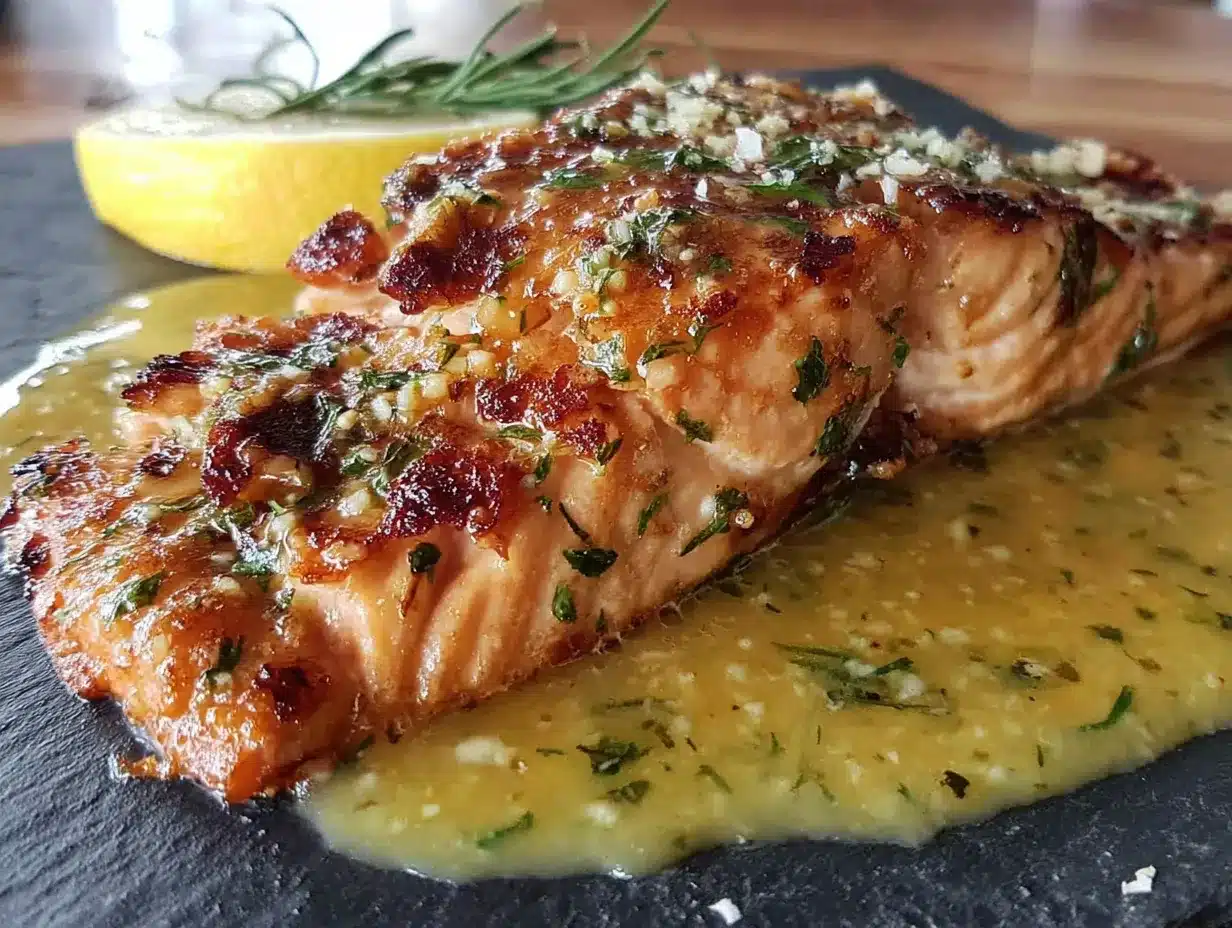
Let’s get cooking! This recipe moves fast, so I like to have everything prepped and ready to go before I turn on the heat. Here’s how to make the best Easy Lemon Dill Butter Salmon:
- Prep the Salmon (5 minutes): Take your salmon fillets out of the fridge about 10 minutes before cooking to take the chill off. Pat them dry very well with paper towels—this is the secret to getting a good sear. Season both sides generously with salt and black pepper. Don’t be shy, the salt helps create that crispy crust.
- Zest and Juice the Lemon: Zest one lemon using your microplane, then cut it in half and juice it. You’ll need about 2 tablespoons of juice. Set the zest and juice aside separately. Chop your fresh dill and mince your garlic cloves.
- Heat the Pan (2 minutes): Place your skillet over medium-high heat. Add the olive oil and let it get hot—you want it shimmering, almost smoking. The oil helps prevent the butter from burning later. Gently lay the salmon fillets in the pan, skin-side down (if they have skin) or presentation-side down. Listen for that satisfying sizzle!
- Sear the Salmon (4 minutes): Cook the salmon without moving it for about 4 minutes. You’ll see the edges start to turn opaque and a golden crust will form. Use your fish spatula to carefully peek underneath—if it’s deeply golden, it’s ready to flip. If it sticks, give it another 30 seconds. Don’t force it!
- Flip and Add the Butter (1 minute): Carefully flip the salmon fillets. Add the 4 tablespoons of unsalted butter to the pan. It will melt quickly and start to bubble. Tilt the pan slightly and use a spoon to baste the salmon with the melted butter as it cooks. This keeps the top moist and flavorful.
- Add Garlic and Lemon (1 minute): Add the minced garlic and lemon zest to the butter. Stir it around for about 30 seconds until it’s fragrant—be careful not to burn the garlic. Then, add the fresh lemon juice and half of the chopped dill. Let it bubble for another 30 seconds, continuing to baste the salmon.
- Finish Cooking (2-3 minutes): Cook the salmon for another 2-3 minutes, depending on thickness. The salmon is done when it’s opaque all the way through and flakes easily with a fork. I like mine just barely cooked in the center—it should register 125°F (52°C) for medium. If you prefer it more well-done, cook it to 135°F (57°C).
- Rest and Serve (2 minutes): Remove the pan from the heat. Spoon some of the lemon dill butter over each fillet. Sprinkle the remaining fresh dill on top. Let the salmon rest in the pan for 2 minutes—this lets the juices redistribute. Serve immediately with extra lemon wedges if you like.
One thing I learned the hard way: don’t overcrowd the pan. If your skillet is too small, cook the salmon in two batches. Overcrowding lowers the pan temperature and steams the fish instead of searing it. You want that beautiful golden crust, not pale, sad fish.
Cooking Tips & Techniques
I’ve made this recipe so many times that I’ve collected a few tricks along the way. Here are my best tips for perfect Light and Flaky Lemon Dill Butter Salmon every single time:
- Pat the salmon dry. This is the most important step. Water is the enemy of a good sear. If your salmon is wet, it will steam in the pan instead of browning. Use paper towels and really get in there.
- Don’t move the fish. Once you place the salmon in the hot pan, leave it alone. I know it’s tempting to poke at it, but let it develop that crust. It will release from the pan naturally when it’s ready.
- Watch the garlic. Garlic burns in seconds. When you add it to the butter, keep it moving and take the pan off the heat if it starts to brown too quickly. Burnt garlic tastes bitter and will ruin your sauce.
- Use a thermometer. I’m not usually a gadget person, but an instant-read thermometer is worth its weight in gold for fish. It takes the guesswork out of cooking and guarantees perfect results. Aim for 125°F (52°C) for medium.
- Baste, baste, baste. This is the technique that makes this recipe special. As the butter melts, tilt the pan so it pools on one side, then use a spoon to scoop it up and pour it over the salmon. This keeps the top from drying out while the bottom gets crispy.
- Season in layers. Salt the salmon before cooking, then add a little more at the end. This builds flavor in every bite.
I once forgot to pat my salmon dry and ended up with a grey, sad-looking fillet. It still tasted okay, but it was nowhere near as good as when I take that extra minute to dry it properly. Learn from my mistakes, friend!
Variations & Adaptations
This recipe is incredibly flexible. Here are a few ways I’ve changed it up depending on what I have in the fridge or who I’m cooking for:
- Herb Swap: Not a dill fan? No problem. Use fresh parsley, chives, or tarragon instead. Tarragon has a lovely anise-like flavor that pairs beautifully with lemon and butter. I’ve even used basil in the summer, and it was surprisingly delicious.
- Spicy Kick: Add a pinch of red pepper flakes or a thinly sliced chili pepper when you add the garlic. The heat cuts through the richness of the butter and adds a nice little warmth. My husband loves this version.
- Creamy Lemon Dill Sauce: For an extra indulgent version, stir in 2 tablespoons of heavy cream or crème fraîche at the end. It makes the sauce luscious and velvety. Perfect for a special occasion dinner.
- Baked Version: If you don’t want to stand at the stove, you can bake this. Place the salmon in a baking dish, pour the melted butter mixture over the top, and bake at 400°F (200°C) for 12-15 minutes. It won’t have the same crispy crust, but it’s still really good and almost no-effort.
- Dairy-Free Option: Use a high-quality vegan butter or ghee (if you can tolerate it) instead of regular butter. The flavor will be slightly different, but it still works beautifully. I’ve made it with a plant-based butter from Miyoko’s and it was excellent.
I personally love adding a splash of white wine (about 2 tablespoons) to the butter sauce when I have an open bottle. It adds a little acidity and depth that makes the whole dish feel even more elegant. Just let it cook for a minute to burn off the alcohol before adding the lemon juice.
Serving & Storage Suggestions
This Easy Lemon Dill Butter Salmon is best served hot, straight from the pan. I like to serve it with a generous spoonful of the pan sauce drizzled over the top. Here are my favorite ways to enjoy it:
- Serving Temperature: Serve immediately while the butter is still hot and bubbly. The salmon will continue to cook from the residual heat, so don’t let it sit too long.
- Side Dish Ideas: This salmon is amazing with simple sides that let it shine. Try it with steamed asparagus, a fresh green salad with lemon vinaigrette, or creamy mashed potatoes to soak up all that delicious butter sauce. I also love it with a side of roasted baby potatoes or a light orzo pasta salad.
- Beverage Pairing: A crisp, dry white wine like Sauvignon Blanc or a unoaked Chardonnay is a perfect match. For a non-alcoholic option, sparkling water with a slice of lemon is refreshing and cuts through the richness.
- Storage: Leftover salmon can be stored in an airtight container in the refrigerator for up to 2 days. The texture won’t be quite as good as fresh, but it’s still tasty. I like to flake it over a salad for lunch the next day.
- Reheating: The best way to reheat salmon is gently. Place it in a low oven (275°F / 135°C) for about 10 minutes, or reheat it in a skillet with a little extra butter over low heat. Avoid the microwave—it will dry out the fish and make it rubbery.
- Flavor Development: Honestly, the flavors are best right after cooking. The lemon and dill are bright and fresh, and the butter is rich and decadent. Leftovers are good, but they don’t have that same magic.
Nutritional Information & Benefits
This recipe is not only delicious but also packed with nutrients. Here’s a quick look at what you’re getting in one serving (one fillet with butter sauce):
| Nutrient | Amount per Serving |
|---|---|
| Calories | ~380 kcal |
| Protein | 34g |
| Fat | 26g |
| Saturated Fat | 12g |
| Carbohydrates | 2g |
| Fiber | 0g |
| Sugar | 1g |
| Sodium | ~450mg |
Salmon is one of the best sources of omega-3 fatty acids, which are great for heart and brain health. It’s also packed with high-quality protein, vitamin D, and B vitamins. The lemon and dill add antioxidants and a boost of vitamin C. This dish is naturally gluten-free and low-carb, making it a great option for a variety of dietary needs. I love that I can feel good about eating something this indulgent—it’s like a win-win for your taste buds and your body.
Conclusion
This Easy Lemon Dill Butter Salmon is the kind of recipe that makes you wonder why you ever complicated things. It’s quick, it’s simple, and it tastes like something you’d order at a fancy restaurant. The combination of crispy, golden edges and tender, flaky fish, all coated in that bright, buttery sauce—it’s pure comfort on a plate.
I hope you give this a try and make it your own. Maybe you’ll add a little more lemon, or swap the dill for parsley, or serve it over a bed of arugula. That’s the beauty of a good recipe—it’s a starting point, not a set of rules. I’d love to hear how it turns out for you. Did you make any changes? Did you discover a new favorite side dish to go with it? Drop a comment below and let me know. And if you loved it, share it with a friend who needs a little more salmon in their life. Happy cooking!
Frequently Asked Questions
Can I use frozen salmon for this recipe?
Yes, you can! Just make sure to thaw it completely in the refrigerator overnight. Pat it very dry with paper towels before cooking, as frozen salmon tends to release more water. The texture might be slightly less firm than fresh, but it will still be delicious.
How do I know when the salmon is cooked through?
The best way is to use an instant-read thermometer. The salmon is done when it reaches 125°F (52°C) for medium or 135°F (57°C) for well-done. You can also check by gently pressing on the top—it should feel firm but still give a little. If it flakes easily with a fork, it’s ready.
Can I make this recipe without a cast iron skillet?
Absolutely! A heavy-bottomed stainless steel or non-stick skillet works great. The key is to use a pan that holds heat well and is large enough to fit the salmon without overcrowding. Avoid using a very thin pan, as it won’t give you a good sear.
What can I use instead of fresh dill?
If you don’t have fresh dill, you can use fresh parsley, chives, tarragon, or even basil. Each herb will give the dish a slightly different flavor profile, but they all work beautifully with lemon and butter. I’d avoid dried dill—it just doesn’t have the same fresh pop.
Can I double this recipe for a crowd?
Yes, but cook the salmon in batches to avoid overcrowding the pan. If you try to cook too many fillets at once, the pan temperature drops and the salmon will steam instead of sear. Keep the cooked salmon warm on a plate in a low oven while you finish the rest.
Pin This Recipe!
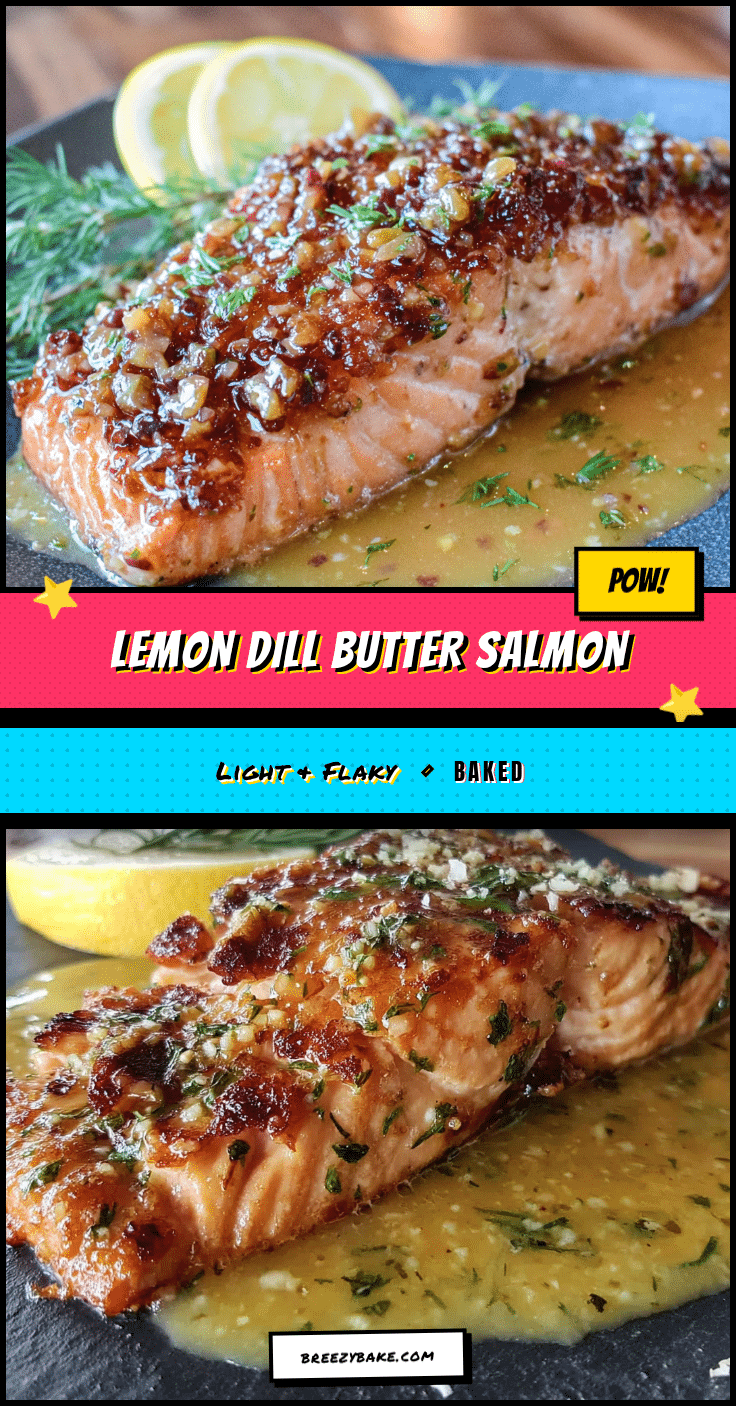
Easy Lemon Dill Butter Salmon: Best Light & Flaky Recipe
This Easy Lemon Dill Butter Salmon is a quick, 20-minute recipe featuring tender, flaky salmon with crispy golden edges, all coated in a bright, garlicky lemon dill butter sauce. Perfect for busy weeknights, it uses simple ingredients and delivers restaurant-quality flavor with minimal effort.
- Prep Time: 5 minutes
- Cook Time: 12 minutes
- Total Time: 17 minutes
- Yield: 4 servings 1x
- Category: Main Course
- Cuisine: American
Ingredients
- 4 salmon fillets (about 6 oz / 170g each)
- 4 tablespoons unsalted butter (56g)
- 2 tablespoons fresh lemon juice (30ml)
- 1 teaspoon lemon zest
- 2 tablespoons fresh dill, chopped
- 3 cloves garlic, minced
- 1 tablespoon olive oil (15ml)
- Salt and black pepper to taste
Instructions
- Take salmon fillets out of the fridge 10 minutes before cooking. Pat dry with paper towels and season both sides generously with salt and black pepper.
- Zest one lemon using a microplane, then cut in half and juice to get 2 tablespoons of juice. Set zest and juice aside. Chop fresh dill and mince garlic.
- Place a large cast iron skillet over medium-high heat. Add olive oil and heat until shimmering, almost smoking.
- Gently lay salmon fillets in the pan, skin-side down (or presentation-side down). Cook without moving for 4 minutes until a golden crust forms.
- Carefully flip the salmon. Add 4 tablespoons unsalted butter to the pan. Tilt the pan slightly and use a spoon to baste the salmon with the melted butter.
- Add minced garlic and lemon zest to the butter. Stir for 30 seconds until fragrant. Add fresh lemon juice and half of the chopped dill. Let bubble for 30 seconds, continuing to baste.
- Cook for another 2-3 minutes until salmon is opaque and flakes easily (125°F/52°C for medium, 135°F/57°C for well-done).
- Remove pan from heat. Spoon lemon dill butter over each fillet. Sprinkle remaining fresh dill on top. Let rest 2 minutes. Serve immediately with extra lemon wedges.
Notes
Pat the salmon very dry for the best sear. Don’t overcrowd the pan—cook in batches if needed. Watch the garlic carefully to avoid burning. Use an instant-read thermometer for perfect doneness. Leftovers can be stored in the fridge for up to 2 days; reheat gently in a low oven or skillet.
Nutrition
- Serving Size: 1 fillet with butter
- Calories: 380
- Sugar: 1
- Sodium: 450
- Fat: 26
- Saturated Fat: 12
- Carbohydrates: 2
- Protein: 34
Keywords: lemon dill butter salmon, easy salmon recipe, quick salmon dinner, pan-seared salmon, healthy salmon, weeknight dinner, gluten-free, low-carb