I burned delicata squash three times before I figured out what I was doing wrong. Not a little charred around the edges—I mean blackened, smoky, set-off-the-smoke-alarm burned. The first time, I blamed the oven. The second time, I blamed the recipe. The third time, I had to sit with the humbling truth: I was rushing. I wanted that deep caramelization so badly I kept cranking the heat, convinced more fire would mean more flavor. It doesn’t work that way, you know? Delicata squash is forgiving in some ways—you can eat the skin, it cooks fast, it doesn’t need peeling—but it has a breaking point. Push it past that sweet spot and you’re left with bitter, shriveled disappointment instead of those gorgeous, golden-edged rings that practically beg for a crumble of salty feta.
This perfect maple roasted delicata squash with feta is the recipe I landed on after those failures. It taught me patience, honestly. And it taught me that sometimes the best dishes come from learning what not to do. The maple syrup isn’t just for sweetness—it helps the squash caramelize at a lower temperature, which means you get those beautiful brown spots without the risk of burning. The feta adds that sharp, briny counterpoint that makes your brain sit up and pay attention. And the whole thing comes together in about thirty minutes, which feels almost unfair for something this good. I make it for weeknight dinners when I need a vegetable side that feels special, and I make it for holiday tables where it somehow steals the show from the main dish. It’s the kind of recipe that makes you wonder why you ever complicated things.
Why You’ll Love This Recipe
This isn’t just another roasted vegetable recipe. After testing this dish more times than I care to admit—including those three burned batches and several where the feta got lost in the shuffle—I can tell you this version is the one. It’s the Goldilocks of squash recipes, and here’s why it works:
- Quick & Easy : From cutting board to table in under 30 minutes. No peeling required—delicata skin is thin and completely edible, which saves you a solid ten minutes of wrestling with a vegetable peeler.
- Simple Ingredients : You probably have maple syrup, olive oil, salt, and pepper in your kitchen right now. The feta and squash are the only things you might need to grab, and both are easy to find at any grocery store.
- Perfect for Any Occasion : It works for a quiet Tuesday dinner alongside a simple protein, but it also holds its own on a Thanksgiving table or at a holiday brunch. I’ve brought it to potlucks and watched people go back for thirds.
- Crowd-Pleaser : I’ve served this to picky kids, vegetable skeptics, and full-on squash haters. Every single person has asked for the recipe. The maple syrup does something magical—it makes the squash taste almost like candy, but in a way that feels wholesome.
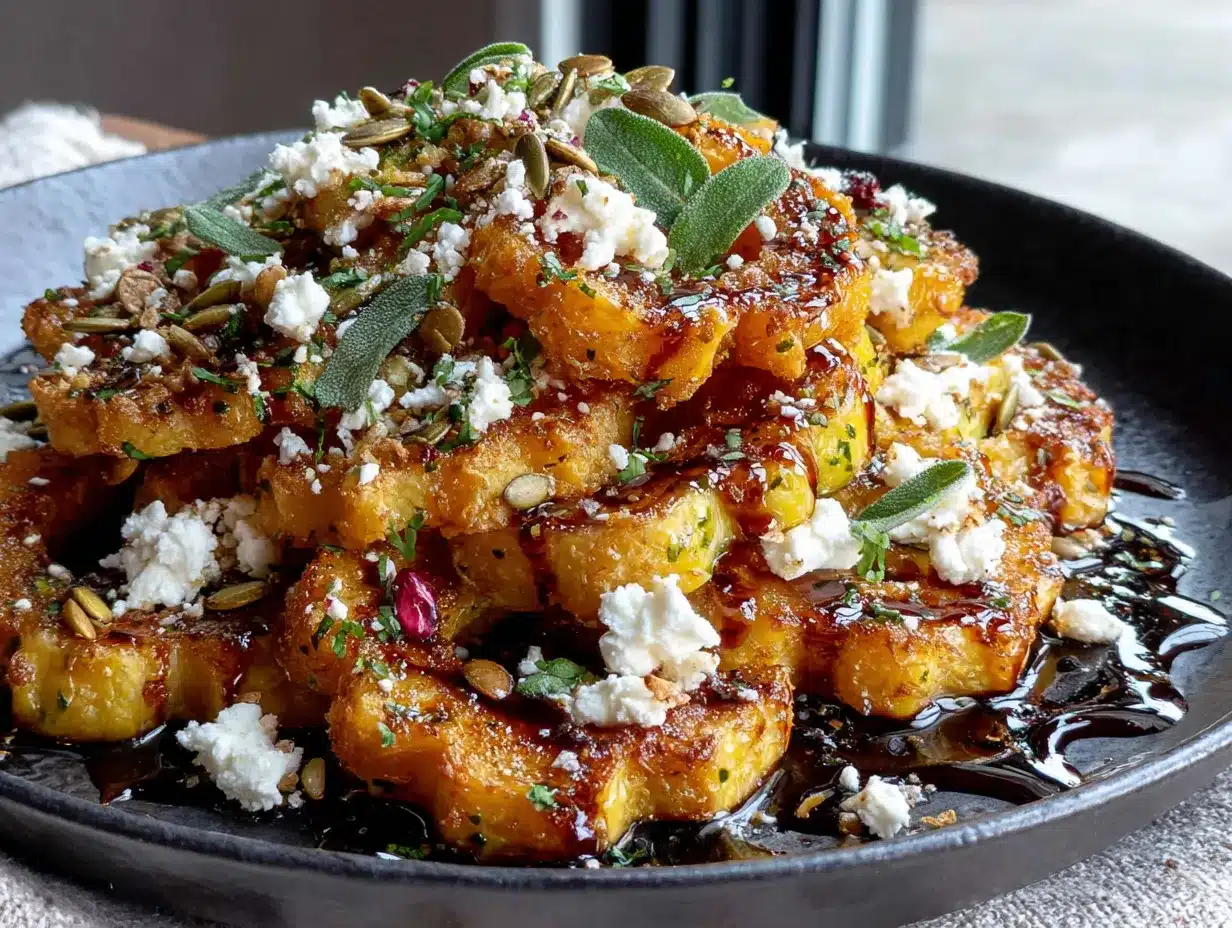
- Unbelievably Delicious : The texture is what gets me every time. The edges get slightly crispy and caramelized while the centers stay tender and creamy. Then you get that pop of salty feta and the brightness of fresh herbs—it’s a flavor combination that just works.
What makes this recipe different from all the other roasted squash recipes out there? It’s the technique. Roasting at a moderate temperature with a maple-olive oil mixture that coats every nook and cranny, then finishing with feta that gets slightly warm and soft but doesn’t fully melt. The feta stays in distinct little crumbles, which means every bite has that perfect balance of sweet and salty. I’ve tested higher temperatures, lower temperatures, different pan arrangements—this method consistently delivers the best results. It’s not complicated, but it’s precise. And that precision makes all the difference.
What Ingredients You Will Need
This recipe uses simple, wholesome ingredients that come together to create something far greater than the sum of their parts. The magic is in the balance—sweet maple, earthy squash, salty feta, and fresh herbs all working together. Here’s what you’ll need:
- Delicata squash (2 medium, about 1.5 pounds total) — Look for squash that feels heavy for its size with firm, unblemished skin. The stripes should be distinct and the squash should have no soft spots. I prefer delicata over butternut or acorn for this recipe because the skin is tender enough to eat and the flavor is milder and slightly sweeter.
- Pure maple syrup (3 tablespoons) — Use the real stuff, not pancake syrup. Grade A dark amber works beautifully here—it has a stronger maple flavor that stands up to roasting. I’ve tested this with honey and agave, and honestly, nothing beats the real maple syrup for that deep, complex sweetness.
- Extra virgin olive oil (2 tablespoons) — A good-quality olive oil makes a difference. You don’t need the expensive stuff, but avoid anything that tastes bitter or rancid. The olive oil helps the maple syrup coat the squash evenly and promotes even browning.
- Feta cheese (4 ounces, crumbled) — Buy a block of feta and crumble it yourself rather than buying pre-crumbled. Block feta has better texture and flavor, and it crumbles into more interesting shapes. I like sheep’s milk feta for its creaminess, but goat feta works beautifully too.
- Fresh thyme (4-5 sprigs) — The leaves get crispy in the oven and add an earthy, slightly floral note that complements the squash. If you only have dried thyme, use about 1 teaspoon, but fresh really does make a difference here.
- Fresh rosemary (1 small sprig, finely chopped) — Rosemary and squash are a classic pairing. Go easy—a little goes a long way, and you don’t want it to overpower the delicate maple flavor.
- Kosher salt (1 teaspoon, plus more to taste) — I use Diamond Crystal kosher salt. If you’re using table salt or a different brand, start with less and adjust.
- Freshly ground black pepper (½ teaspoon, plus more for finishing) — Freshly ground pepper adds a subtle warmth that plays nicely with the maple.
- Optional garnish : Pomegranate seeds, toasted pecans, or a drizzle of balsamic glaze. These aren’t necessary, but they add texture and visual appeal if you’re serving this for company.
Equipment Needed
You don’t need a fancy kitchen to make this recipe work. Here’s what you’ll need:
- Large baking sheet (half-sheet pan, about 13×18 inches) — A rimmed baking sheet is ideal. The rim catches any maple syrup that might bubble over, and the large surface area ensures the squash roasts in a single layer rather than steaming. I’ve used everything from high-end Nordic Ware pans to basic grocery store sheets, and they all work fine. Just avoid dark, non-stick pans—they absorb more heat and can cause the squash to burn before it’s tender.
- Sharp chef’s knife (8-inch is perfect) — Delicata squash is easier to cut than butternut, but you still need a sharp knife. A dull knife is dangerous when cutting through firm squash. I learned this the hard way after a close call that nearly sent me to urgent care.
- Cutting board — A sturdy wooden or plastic cutting board. Make sure it’s stable—place a damp paper towel underneath if it slides around.
- Mixing bowl (medium) — For tossing the squash with the maple mixture. A bowl gives you more control than trying to mix everything on the baking sheet.
- Measuring spoons — For the maple syrup, olive oil, and seasonings. I recommend using metal measuring spoons for accuracy.
- Small spoon or melon baller — For scooping out the seeds. A regular spoon works fine, but a melon baller makes the job surprisingly satisfying and quick.
- Parchment paper or silicone baking mat (optional but recommended) — Parchment paper makes cleanup effortless and prevents the maple syrup from sticking to your pan. If you don’t have it, you can grease the pan lightly with olive oil.
Preparation Method
Let me walk you through this step by step. I’ve included all the little details I wish someone had told me before I started burning squash like it was my job.
- Preheat your oven to 400°F (200°C). Position the rack in the middle of the oven. This temperature is the sweet spot—hot enough to caramelize the maple syrup without burning it. I’ve tested 425°F and 375°F, and 400°F consistently gives the best balance of tenderness and caramelization.
- Prepare the squash. Wash the delicata squash thoroughly under running water. You’re eating the skin, so you want it clean. Pat it dry with a clean kitchen towel. Cut off both ends of each squash—about ¼ inch from each tip. Stand the squash upright on one cut end and slice it in half lengthwise. Use a spoon to scoop out the seeds and stringy pulp. Don’t worry about getting every last seed; a few leftover seeds add a nice texture when roasted. Slice each half into half-moon shapes about ½ inch thick. If you cut them thinner, they’ll cook faster but might burn before they’re tender. If you cut them thicker, they’ll need more time. Half an inch is the Goldilocks thickness.
- Make the maple mixture. In your medium mixing bowl, whisk together the maple syrup, olive oil, kosher salt, and black pepper. Taste it—it should be sweet and savory with a noticeable saltiness. The salt is important because it balances the sweetness and helps the squash caramelize. If it tastes flat, add another pinch of salt.
- Toss the squash. Add the sliced squash to the bowl with the maple mixture. Use your hands or a spatula to toss everything together until every piece is evenly coated. Don’t skip this step—drizzling the mixture over the squash on the pan leads to uneven coating and some pieces ending up too dry. I use my hands because I can feel when every piece is coated, but a rubber spatula works too.
- Arrange on the baking sheet. Line your baking sheet with parchment paper if you’re using it. Spread the squash pieces in a single layer. This is crucial—if the pieces overlap, they’ll steam instead of roast, and you’ll lose that beautiful caramelization. If your baking sheet is too small, use two sheets or work in batches. Give each piece a little space. Tuck the fresh thyme sprigs between the squash pieces—they’ll infuse the squash with flavor as they roast.
- Roast for 15 minutes. Place the baking sheet in the preheated oven and set a timer for 15 minutes. Don’t open the oven door during this time—you want the heat to stay consistent. Use this time to crumble your feta cheese and chop your fresh rosemary if you haven’t already.
- Flip and continue roasting. After 15 minutes, remove the baking sheet from the oven. Use a spatula to flip each piece of squash over. They should be starting to brown on the bottom. Sprinkle the chopped rosemary over the squash. Return the baking sheet to the oven and roast for another 10-15 minutes. The squash is done when it’s tender when pierced with a fork and the edges are caramelized and slightly crispy. The exact time depends on the thickness of your slices and your oven, so start checking at the 10-minute mark.
- Add the feta. Remove the baking sheet from the oven. Sprinkle the crumbled feta evenly over the hot squash. The residual heat will soften the feta slightly without melting it completely. Let it sit for 2-3 minutes—this gives the feta time to warm through and the flavors to meld.
- Finish and serve. Transfer the squash to a serving platter. Discard the thyme sprigs (the leaves should have fallen off during roasting). Add a final crack of black pepper and a sprinkle of flaky sea salt if you have it. Serve immediately while the squash is warm and the feta is still soft.
Cooking Tips & Techniques
After making this recipe more times than I can count—including those early disasters—I’ve picked up a few tricks that make the process smoother and the results more consistent. Here are the things I wish I’d known from the start:
Don’t overcrowd the pan. This is the number one mistake people make with roasted vegetables, and I was guilty of it for years. When squash pieces are crowded together, they release steam instead of dry heat, and that steam prevents caramelization. You want each piece to have contact with the hot pan surface. If you’re doubling the recipe, use two baking sheets and rotate them halfway through cooking.
Use room temperature maple syrup. Cold maple syrup is thick and doesn’t coat the squash evenly. If your maple syrup has been in the fridge, let it sit at room temperature for 15-20 minutes before mixing. Or you can warm it gently in the microwave for 10-15 seconds. This small step makes a noticeable difference in how evenly the squash browns.
Flip with confidence. When you flip the squash at the 15-minute mark, use a thin metal spatula and slide it completely under each piece before turning. If the squash sticks, it probably needs another minute or two—don’t force it. Let it cook a bit longer and try again. Forcing stuck squash will tear the caramelized skin and leave bits stuck to the pan.
Test for doneness with a fork, not your eyes. Caramelized edges can make squash look done when the center is still firm. Insert a fork into the thickest part of a piece—it should slide in with minimal resistance. If there’s any resistance, give it another 3-5 minutes. I’ve served undercooked squash before, and it’s disappointing. Better to check than to guess.
Add the feta at the right moment. This was my biggest lesson. Adding feta too early means it melts into a greasy puddle. Adding it too late means cold, hard crumbles on warm squash. The sweet spot is right when the squash comes out of the oven—the residual heat warms the feta just enough to soften it without losing its shape. Let it sit for those 2-3 minutes before serving. It makes a real difference.
Variations & Adaptations
One of the things I love about this recipe is how flexible it is. Here are some variations I’ve tried and loved:
Savory Herb Version : Skip the maple syrup and toss the squash with olive oil, minced garlic, dried oregano, and a pinch of red pepper flakes. Roast as directed, then finish with feta and a squeeze of fresh lemon juice. This version is less sweet and more savory—perfect for serving alongside grilled chicken or fish. I make this version when I want something that feels more like a dinner side than a holiday dish.
Spiced Maple Version : Add ½ teaspoon of cinnamon, ¼ teaspoon of nutmeg, and a pinch of cayenne pepper to the maple mixture. The warm spices complement the sweetness of the squash and add a subtle heat that cuts through the richness of the feta. This is my go-to for fall gatherings and Thanksgiving. The cayenne is optional, but I think it adds a lovely warmth that makes the dish more interesting.
Vegan Version : Replace the feta with a vegan alternative or omit it entirely and add toasted pine nuts and dried cranberries instead. The pine nuts add a similar salty, savory element, and the cranberries bring sweetness and tartness. I’ve also used nutritional yeast sprinkled over the top for a cheesy flavor without the dairy. It’s not the same as feta, but it’s delicious in its own right.
Protein-Packed Version : Add cooked chickpeas or white beans to the baking sheet during the last 10 minutes of roasting. The beans get slightly crispy on the outside and creamy on the inside, and they absorb the maple flavor beautifully. This turns the dish into a more substantial meal—I’ve eaten it as a main course with a side salad and felt completely satisfied.
Seasonal Switch-Up : In summer, swap the maple syrup for honey and add fresh basil and cherry tomatoes during the last 5 minutes of roasting. In spring, use a light drizzle of balsamic glaze instead of maple and finish with fresh mint. The recipe adapts beautifully to whatever produce is in season.
Serving & Storage Suggestions
This perfect maple roasted delicata squash with feta is best served warm, straight from the oven, when the edges are still crispy and the feta is soft and creamy. But it’s also surprisingly good at room temperature, which makes it perfect for potlucks and holiday buffets where timing can be tricky.
Serving temperature : Serve warm or at room temperature. If you’re making it ahead for a gathering, roast the squash and add the feta just before serving. The squash holds its texture well for about an hour at room temperature, so you can make it, let it rest, and serve it without reheating.
Presentation ideas : Arrange the squash rings in a slightly overlapping pattern on a white platter for maximum visual impact. Sprinkle the feta over the top rather than mixing it in—this keeps the feta visible and creates a beautiful contrast of colors. Garnish with fresh thyme leaves, pomegranate seeds, or a drizzle of balsamic glaze for a more polished look.
What to serve with it : This squash pairs beautifully with roasted chicken, grilled salmon, or a simple seared steak. For a vegetarian meal, serve it alongside chicken veggie skillet wraps for a satisfying combination. It also works well as part of a larger spread—think holiday tables, brunch buffets, or mezze-style dinners with hummus, olives, and warm pita bread.
Storage instructions : Store leftovers in an airtight container in the refrigerator for up to 4 days. The squash will soften as it sits, and the feta will firm up again. To reheat, spread the squash on a baking sheet and warm it in a 350°F oven for 5-7 minutes. The microwave works in a pinch, but the oven does a better job of reviving the edges. I don’t recommend freezing this dish—the texture of both the squash and the feta changes significantly after freezing and thawing.
How flavors develop : Interestingly, this dish tastes even better the next day. The maple flavor deepens and the feta’s saltiness mellows as it sits. I’ve been known to make a double batch specifically for leftovers. Cold, straight from the fridge, it’s surprisingly good—almost like a savory squash salad. Try it on top of a bed of arugula with a simple lemon vinaigrette for a quick lunch.
Nutritional Information & Benefits
This recipe is as nutritious as it is delicious. Here’s the estimated nutritional breakdown per serving (based on 4 servings):
- Calories: Approximately 220
- Protein: 7g
- Fat: 12g (including 5g saturated fat from feta)
- Carbohydrates: 24g
- Fiber: 4g
- Sugar: 14g (naturally occurring plus maple syrup)
- Sodium: 480mg
- Vitamin A: 180% of the Daily Value
- Vitamin C: 25% of the Daily Value
- Calcium: 15% of the Daily Value
- Iron: 8% of the Daily Value
Health benefits of key ingredients : Delicata squash is packed with beta-carotene, which your body converts to vitamin A for healthy vision and immune function. It’s also a good source of fiber, which supports digestive health and helps you feel full longer. The olive oil provides heart-healthy monounsaturated fats, and the feta adds calcium and protein. Maple syrup contains antioxidants and minerals like zinc and manganese, though it’s still sugar, so use it mindfully.
Dietary considerations : This recipe is naturally gluten-free and vegetarian. To make it vegan, use the variation mentioned above with pine nuts and dried cranberries instead of feta. It’s also relatively low in calories for a side dish, which makes it a great option if you’re watching your intake. The main allergens are dairy (from the feta), so skip the cheese or use a dairy-free alternative if needed.
Personal wellness perspective : I love that this recipe feels indulgent—the maple syrup, the salty feta, the caramelized edges—but it’s actually packed with vegetables and healthy fats. It’s the kind of dish that satisfies your cravings while also nourishing your body. I don’t believe in labeling foods as “good” or “bad,” but I do believe in recipes that make you feel good after eating them. This one does.
Frequently Asked Questions
Can I use butternut squash instead of delicata?
You can, but you’ll need to peel it first—butternut skin is too tough to eat. Cut the butternut into ½-inch cubes rather than half-moons, and expect a slightly longer roasting time (about 25-30 minutes total). The flavor will be similar, but the texture will be denser and less creamy than delicata. I’ve made this swap when delicata wasn’t in season, and it works well enough, but it’s not quite the same experience.
How do I know when delicata squash is ripe?
Look for squash that feels heavy for its size with firm, unblemished skin. The color should be creamy yellow with green stripes—avoid squash that has large soft spots, mold, or wrinkled skin. Ripe delicata squash should feel dense and solid when you hold it. If it feels light or hollow, it’s past its prime. Delicata is typically in season from late summer through early winter, so that’s when you’ll find the best quality.
Can I make this recipe ahead of time?
Yes, with a few adjustments. You can roast the squash up to a day ahead and store it in the refrigerator. When you’re ready to serve, reheat the squash on a baking sheet in a 350°F oven for 5-7 minutes, then add the feta and fresh herbs. Don’t add the feta before reheating—it will melt and become greasy. For best results, I recommend making the squash fresh and adding the feta right before serving, but the make-ahead option works in a pinch.
What can I use instead of maple syrup?
Honey is the best substitute—it has a similar sweetness and caramelizes well. Agave nectar works too, but it’s thinner and less flavorful. Brown sugar mixed with a tablespoon of water can also work, though it won’t coat the squash as evenly. Avoid using artificial sweeteners or sugar-free syrups—they don’t caramelize properly and can leave a bitter aftertaste. I’ve tested all of these options, and maple syrup is still my favorite for its complex, woodsy sweetness.
How do I prevent the squash from getting soggy?
The key is to not overcrowd the pan and to make sure your oven is fully preheated before you start roasting. If the squash pieces are too close together, they’ll steam instead of roast. Use two baking sheets if necessary, and flip the pieces halfway through cooking to ensure even browning. Also, make sure the squash is dry before you toss it with the maple mixture—excess moisture on the surface will steam the squash instead of allowing it to caramelize.
Conclusion
This perfect maple roasted delicata squash with feta has become one of those recipes I turn to again and again. It’s simple enough for a weeknight but impressive enough for company. It’s forgiving once you know the basic principles—don’t overcrowd, don’t rush, add the feta at the right moment—and it rewards you with a dish that feels both comforting and special.
I love that this recipe proves you don’t need complicated techniques or hard-to-find ingredients to make something truly memorable. Just good squash, real maple syrup, salty feta, and a little patience. It’s the kind of dish that makes you slow down and appreciate the process, even if you’re just making it for yourself on a random Tuesday night.
I’d love to hear how this recipe turns out for you. Did you try one of the variations? Did you add your own twist? Drop a comment below and let me know—I read every single one, and your feedback helps me create better recipes for all of us. And if you’re looking for more easy, delicious vegetable sides, try my healthy ranch chicken grain bowls for another weeknight winner. Happy cooking, friends!
Pin This Recipe!
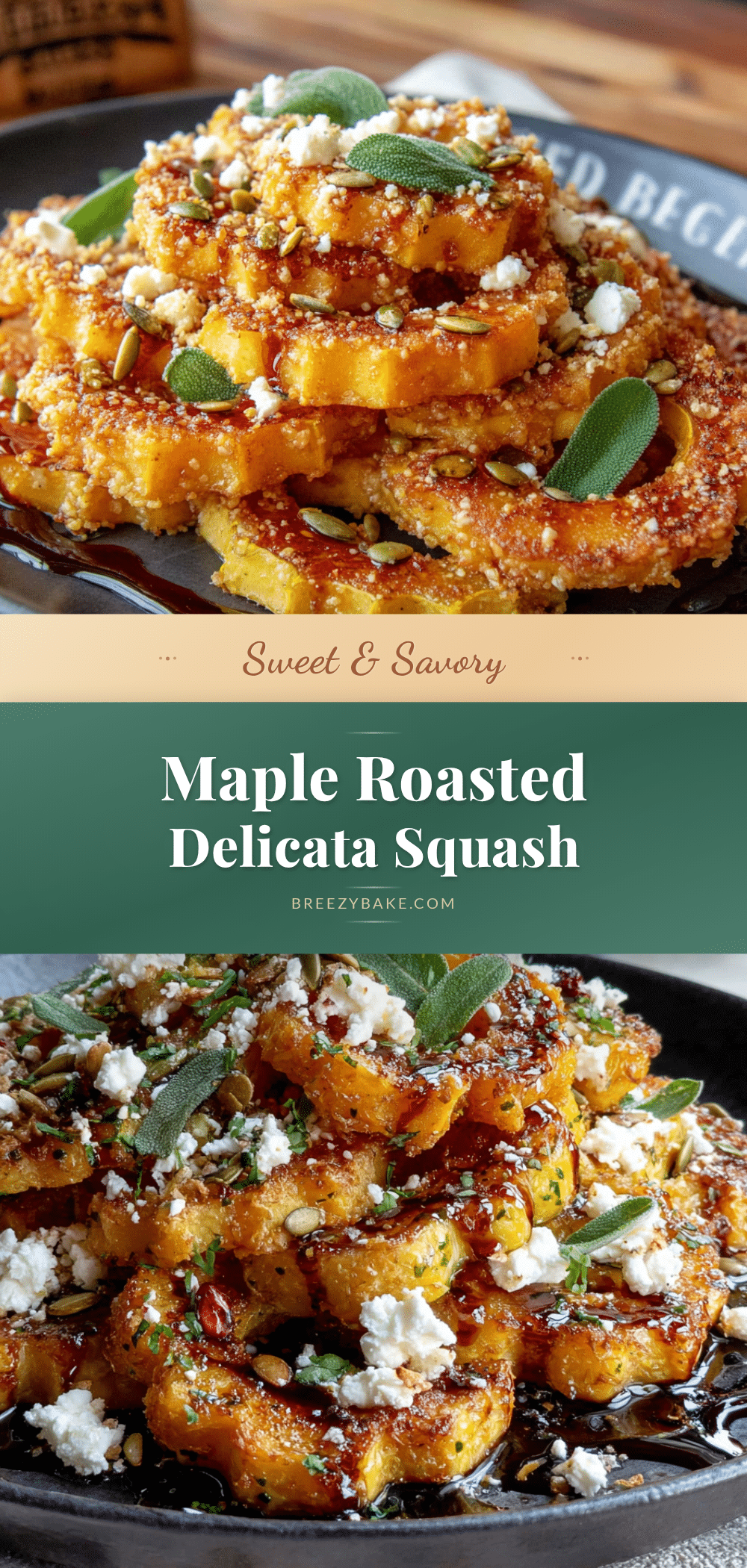
Perfect Maple Roasted Delicata Squash with Feta
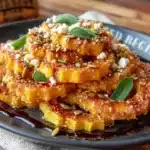
This perfect maple roasted delicata squash with feta is a quick and easy side dish that comes together in about 30 minutes. The maple syrup helps the squash caramelize at a lower temperature, while the feta adds a sharp, briny counterpoint for a delicious balance of sweet and salty.
- Prep Time: 10 minutes
- Cook Time: 25 minutes
- Total Time: 35 minutes
- Yield: 4 servings 1x
- Category: Side Dish
- Cuisine: American
Ingredients
- 2 medium delicata squash (about 1.5 pounds total)
- 3 tablespoons pure maple syrup
- 2 tablespoons extra virgin olive oil
- 4 ounces feta cheese, crumbled
- 4–5 sprigs fresh thyme
- 1 small sprig fresh rosemary, finely chopped
- 1 teaspoon kosher salt (plus more to taste)
- ½ teaspoon freshly ground black pepper (plus more for finishing)
- Optional garnish: pomegranate seeds, toasted pecans, or balsamic glaze
Instructions
- Preheat your oven to 400°F (200°C). Position the rack in the middle of the oven.
- Wash the delicata squash thoroughly and pat dry. Cut off both ends, then stand upright and slice in half lengthwise. Scoop out seeds and stringy pulp. Slice each half into half-moon shapes about ½ inch thick.
- In a medium mixing bowl, whisk together maple syrup, olive oil, kosher salt, and black pepper.
- Add sliced squash to the bowl and toss until every piece is evenly coated.
- Line a baking sheet with parchment paper (optional). Spread squash pieces in a single layer, ensuring they don’t overlap. Tuck fresh thyme sprigs between the squash pieces.
- Roast for 15 minutes. Do not open the oven door during this time.
- After 15 minutes, remove the baking sheet and flip each piece of squash. Sprinkle chopped rosemary over the squash. Return to the oven and roast for another 10-15 minutes, until tender when pierced with a fork and edges are caramelized.
- Remove from oven and sprinkle crumbled feta evenly over the hot squash. Let sit for 2-3 minutes to soften the feta.
- Transfer to a serving platter. Discard thyme sprigs. Add a final crack of black pepper and a sprinkle of flaky sea salt if desired. Serve immediately.
Notes
Don’t overcrowd the pan to ensure proper caramelization. Use room temperature maple syrup for even coating. Add feta right when squash comes out of the oven for best texture. Leftovers can be stored in an airtight container in the refrigerator for up to 4 days; reheat in a 350°F oven for 5-7 minutes.
Nutrition
- Serving Size: 1 serving
- Calories: 220
- Sugar: 14
- Sodium: 480
- Fat: 12
- Saturated Fat: 5
- Carbohydrates: 24
- Fiber: 4
- Protein: 7
Keywords: delicata squash, maple roasted squash, roasted delicata squash, feta, easy side dish, fall recipe, vegetarian, gluten-free