It was 10:47 PM on a random Tuesday, and I was hit with the kind of craving that makes you question your life choices. Not for the first time that week, I wanted mac and cheese — the real, creamy, soul-hugging kind. But here’s the thing: I didn’t have any cheese. Well, I had half a block of sad cheddar and some grated Parmesan that smelled like it was questioning its own existence. What I did have was a butternut squash sitting on my counter, looking at me like it knew something I didn’t.
Honestly, I almost gave up and ordered pizza. But something about that late-night quiet made me bold. I figured, why not roast the squash? Why not blend it into a sauce? The idea felt a little unhinged — like something you’d try at 11 PM and regret by morning. Instead, it turned into the best mac and cheese I’d made in months. The squash gave the sauce this velvety, almost sweet richness that made the whole thing feel indulgent without being heavy. I mean, I was eating a vegetable for dinner and loving it. Let me tell you, that’s a win on any night.
Maybe you’ve been there — standing in your kitchen, tired and hungry, wondering if you can make something amazing out of scraps. That’s exactly how this recipe was born. It’s quick, it’s easy, and it’s proof that a little late-night creativity can pay off big time. I’ve made it at least a dozen times since, and it always delivers. This is the kind of quick roasted butternut squash mac and cheese that makes you forget you’re eating something halfway healthy. And honestly? That’s the best kind of recipe to have in your back pocket.
Why You’ll Love This Recipe
This isn’t your average boxed mac and cheese, and it’s not a complicated chef’s project either. It’s the sweet spot — a quick roasted butternut squash mac and cheese that comes together in 30 minutes flat. I’ve tested this more times than I care to admit, tweaking the roasting time and the cheese ratio until it was just right. Here’s why it works so well for busy weeknights:
- Quick & Easy: From start to finish, you’re looking at about 30 minutes. No soaking, no complicated steps — just roast, blend, and mix.
- Simple Ingredients: You probably already have most of this stuff. Butternut squash, pasta, milk, cheese, and a few pantry staples. No fancy grocery trips required.
- Perfect for Weeknights: This is exactly the kind of dinner you need after a long day. It’s comforting, satisfying, and doesn’t demand much from you.
- Crowd-Pleaser: I’ve served this to picky eaters and serious food lovers, and it gets rave reviews every time. The squash adds sweetness without screaming “vegetable.”
- Unbelievably Delicious: The texture is so creamy and smooth — you’d never guess the base is mostly squash. It’s comfort food that feels a little bit virtuous.
What makes this recipe different is the roasting. Instead of boiling the squash, which can make the sauce watery, roasting it concentrates the flavor and gives you that deep, caramelized sweetness. It’s a small step that makes a huge difference. Trust me, once you try this method, you’ll never go back to the boxed stuff.
What Ingredients You Will Need
This recipe uses simple, wholesome ingredients to deliver bold flavor and satisfying texture without the fuss. Most of these are pantry staples, and the squash does the heavy lifting for creaminess.
- Butternut squash (1 medium, about 2-3 cups cubed) — Look for one that feels heavy for its size and has a firm, unblemished skin. I prefer to buy pre-cubed squash from the store when I’m in a hurry, but whole squash is cheaper and roasts beautifully.
- Elbow macaroni (8 oz, about 2 cups dry) — Any short pasta works here. I’ve used shells, rotini, and even penne. Just make sure it’s a shape that can hold onto that creamy sauce.
- Unsalted butter (2 tablespoons) — Adds richness to the sauce. You can use salted butter and just skip the extra salt later.
- All-purpose flour (2 tablespoons) — This thickens the sauce. For a gluten-free version, you can use a 1:1 gluten-free flour blend.
- Milk (1 cup, whole milk preferred) — Whole milk gives the creamiest result, but 2% works fine. For a dairy-free option, use unsweetened oat milk or almond milk.
- Vegetable broth (1/2 cup) — Adds flavor without making the sauce too heavy. Chicken broth works too if you’re not keeping it vegetarian.
- Sharp cheddar cheese (1 cup, shredded) — Use freshly shredded cheese for the best melt. Pre-shredded cheese has anti-caking agents that can make the sauce grainy.
- Parmesan cheese (1/4 cup, grated) — Adds a salty, nutty kick. I recommend a good quality Parmesan like Parmigiano-Reggiano if you can find it.
- Garlic powder (1/2 teaspoon) — A little goes a long way. Fresh garlic works too, but garlic powder blends more smoothly into the sauce.
- Onion powder (1/2 teaspoon) — Adds depth without the texture of real onions.
- Salt and black pepper (to taste) — Start with 1/2 teaspoon salt and 1/4 teaspoon pepper, then adjust.
- Optional: Pinch of nutmeg (1/8 teaspoon) — This is my secret weapon. It sounds weird, but nutmeg brings out the sweetness of the squash and makes the whole dish taste more complex.
- Optional: Breadcrumbs for topping (1/4 cup) — If you want a crunchy top, mix breadcrumbs with a little melted butter and sprinkle over before baking. But honestly, this recipe is so good without it.
Equipment Needed
You don’t need a fancy kitchen to pull this off. Here’s what you’ll need:
- Baking sheet — For roasting the squash. A half-sheet pan works perfectly.
- Large pot — For boiling the pasta. Make sure it’s big enough to hold the pasta and some water.
- Blender or food processor — This is key for making the sauce silky smooth. I use a standard blender, but an immersion blender works too if you have a deep enough pot.
- Medium saucepan — For making the cheese sauce. A non-stick or stainless steel pan works fine.
- Wooden spoon or whisk — For stirring the sauce without scratching your pan.
- Colander — For draining the pasta.
- Measuring cups and spoons — Accuracy matters here, especially with the flour and broth.
- Knife and cutting board — For prepping the squash. A sharp chef’s knife makes this much easier.
If you don’t have a blender, you can mash the roasted squash with a fork or potato masher, but the sauce won’t be as smooth. I’ve done it that way in a pinch, and it’s still delicious — just a little more rustic.
Preparation Method
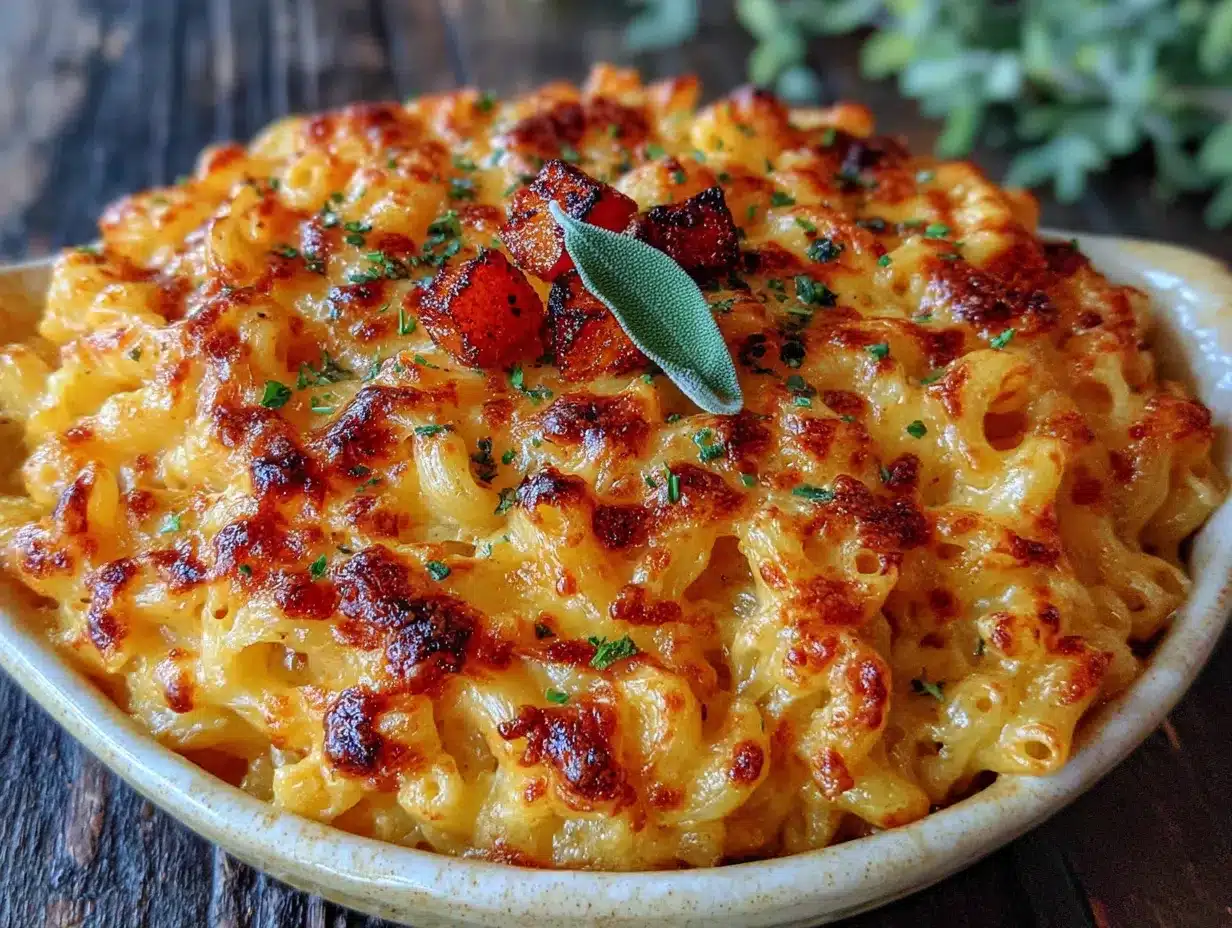
Let’s get cooking. This quick roasted butternut squash mac and cheese comes together in about 30 minutes. Here’s how:
- Preheat your oven to 400°F (200°C). While it’s heating, line a baking sheet with parchment paper or foil for easy cleanup.
- Prep the squash. If you’re using a whole butternut squash, peel it with a vegetable peeler, cut it in half lengthwise, scoop out the seeds, and cube it into 1-inch pieces. If you’re using pre-cubed squash, you’re already ahead. Spread the cubes on the baking sheet, drizzle with 1 tablespoon olive oil, and sprinkle with a pinch of salt and pepper. Toss to coat.
- Roast the squash for 20-25 minutes. Toss halfway through. You want the cubes to be fork-tender and lightly browned on the edges. The caramelization is where the magic happens — it brings out the natural sweetness.
- While the squash roasts, cook the pasta. Bring a large pot of salted water to a boil. Add the macaroni and cook according to package directions until al dente. Usually about 7-8 minutes. Drain and set aside. Don’t rinse it — you want the starch to help the sauce stick.
- Make the squash puree. Once the squash is done, transfer it to a blender. Add 1/2 cup of the vegetable broth and blend until completely smooth. You might need to scrape down the sides once or twice. The mixture should look like a thick, creamy orange puree. Set aside.
- Start the cheese sauce. In a medium saucepan, melt the butter over medium heat. Once it’s bubbling, whisk in the flour and cook for 1 minute, stirring constantly. This gets rid of the raw flour taste. The mixture will look like a thick paste — that’s your roux.
- Add the milk slowly. Pour in the milk while whisking constantly to prevent lumps. Keep whisking until the mixture thickens, about 2-3 minutes. It should coat the back of a spoon.
- Stir in the squash puree. Add the puree to the saucepan and whisk until fully combined. The sauce will turn a beautiful golden-orange color. Add the garlic powder, onion powder, nutmeg (if using), and a pinch of salt and pepper.
- Add the cheese. Reduce the heat to low. Add the shredded cheddar and grated Parmesan, a handful at a time, stirring until each addition is fully melted before adding the next. This prevents the sauce from becoming grainy. Taste and adjust seasoning — you might want more salt or a crack of black pepper.
- Combine everything. Add the cooked pasta to the saucepan and stir until every piece is coated in that creamy sauce. If the sauce seems too thick, add a splash of milk or broth to loosen it up.
- Serve immediately. Spoon into bowls and enjoy while it’s hot and gooey. If you want a crunchy top, transfer the mac and cheese to a baking dish, sprinkle with breadcrumbs, and broil for 2-3 minutes until golden.
Cooking Tips & Techniques
I’ve made this quick roasted butternut squash mac and cheese more times than I can count, and I’ve learned a few things along the way. Here are my best tips:
- Don’t skip the roasting. I know it adds an extra step, but boiling the squash makes the sauce watery and bland. Roasting concentrates the flavor and gives you that deep, sweet taste. Trust me on this one.
- Shred your own cheese. Pre-shredded cheese is coated in cellulose (wood pulp, basically) to prevent clumping. It doesn’t melt as smoothly. Spend the extra 2 minutes shredding a block of cheddar — your sauce will thank you.
- Watch your heat. When making the cheese sauce, keep the heat on low after adding the cheese. High heat can cause the sauce to break and become grainy. Patience is key here.
- Season in layers. Add a little salt at each stage — when roasting the squash, when cooking the pasta, and when finishing the sauce. This builds depth of flavor that you can’t get from just seasoning at the end.
- Multitask smartly. While the squash is roasting, cook the pasta and prep the cheese. By the time the squash is done, you’re ready to blend and assemble. This keeps the whole process under 30 minutes.
I once forgot to add the cheese until the very end — I poured the sauce over the pasta and realized it was just squash puree. Panic ensued. I ended up stirring the cheese in cold, and it melted okay, but the sauce wasn’t as smooth. Lesson learned: always melt the cheese into the warm sauce for the best texture.
Variations & Adaptations
This recipe is super flexible. Here are a few ways to switch it up:
- Make it vegan: Use dairy-free butter, unsweetened oat milk, and vegan cheddar shreds. The squash puree is so creamy that you honestly won’t miss the dairy much. I’ve tried this with a cashew-based cheese, and it was surprisingly good.
- Add some protein: Stir in cooked chicken, crumbled bacon, or even leftover turkey. This turns it into a heartier meal that can stand alone. I’ve added sautéed mushrooms for a vegetarian protein boost too.
- Spice it up: Add 1/4 teaspoon of smoked paprika or a pinch of cayenne pepper for some heat. The smoky flavor pairs beautifully with the sweet squash. You could also stir in some chopped jalapeños if you’re feeling brave.
- Swap the squash: No butternut squash? Use pumpkin, sweet potato, or even carrot puree. Each one gives a slightly different flavor, but they all work. Sweet potato makes it a little sweeter, while pumpkin is more neutral.
- Go gluten-free: Use gluten-free pasta and a 1:1 gluten-free flour blend for the roux. The rest of the ingredients are naturally gluten-free. I’ve tested this with brown rice pasta, and it holds up well.
My personal favorite variation is adding a handful of chopped kale or spinach at the end. It wilts right into the hot pasta and adds a pop of green. Plus, it makes me feel like I’m eating a superfood dinner — even if I’m really just eating mac and cheese.
Serving & Storage Suggestions
This quick roasted butternut squash mac and cheese is best served hot, straight from the pot. But here’s how to handle leftovers:
- Serving temperature: Serve it piping hot. The sauce is at its creamiest when it’s fresh. If you let it sit, it will thicken as it cools.
- Presentation: Spoon into bowls and top with a sprinkle of fresh parsley or extra Parmesan. A crack of black pepper on top looks nice and adds a little bite.
- What to serve with it: A simple green salad with a tangy vinaigrette cuts through the richness perfectly. Or pair it with roasted broccoli or a side of sautéed greens. For a heartier meal, serve alongside crispy garlic chicken or some grilled sausages.
- Storing leftovers: Transfer to an airtight container and refrigerate for up to 4 days. The sauce will thicken as it sits, so don’t be alarmed.
- Reheating: The best way to reheat is on the stovetop over low heat with a splash of milk or broth. Stir frequently until warmed through. You can also microwave it in 30-second bursts, stirring between each, but the texture won’t be as creamy.
- Freezing: This freezes surprisingly well. Place in a freezer-safe container and freeze for up to 3 months. Thaw in the fridge overnight, then reheat on the stovetop with a little extra milk. The sauce might separate slightly, but a good stir brings it back together.
Honestly, the flavors get even better after a day in the fridge — the squash and cheese meld together into something even more delicious. Just don’t expect leftovers to last long.
Nutritional Information & Benefits
This recipe is a great way to sneak in some veggies without feeling like you’re eating diet food. Here’s the rough nutritional breakdown per serving (based on 4 servings):
| Nutrient | Amount per Serving |
|---|---|
| Calories | 420 |
| Total Fat | 18g |
| Saturated Fat | 10g |
| Cholesterol | 45mg |
| Sodium | 580mg |
| Total Carbohydrates | 52g |
| Dietary Fiber | 6g |
| Sugars | 8g |
| Protein | 16g |
| Vitamin A | 180% DV |
| Vitamin C | 35% DV |
| Calcium | 25% DV |
| Iron | 10% DV |
Butternut squash is packed with vitamin A (great for your eyes and immune system) and fiber (keeps you full). The cheese adds calcium and protein, making this a balanced meal on its own. If you’re watching your sodium, use low-sodium broth and go easy on the added salt. This recipe is also vegetarian-friendly and can easily be made gluten-free or dairy-free with the substitutions mentioned above. It’s comfort food that actually does your body a favor — and that’s a win in my book.
FAQs
Can I use frozen butternut squash?
Yes, you can. Just thaw it first and pat it dry with paper towels to remove excess moisture. Then roast it as directed. Frozen squash tends to be a bit more watery, so you might need to roast it an extra 5 minutes to get that caramelized edge.
Why did my sauce turn out grainy?
Grainy sauce usually happens from overheating the cheese or using pre-shredded cheese. Keep the heat on low when adding cheese, and always shred it fresh from a block. If your sauce does get grainy, try whisking in a splash of cold milk — it sometimes helps smooth it out.
Can I make this ahead of time?
Absolutely. You can prepare the sauce and cook the pasta up to a day in advance. Store them separately in the fridge. When you’re ready to serve, reheat the sauce on the stovetop with a splash of milk, then toss with the pasta. Or assemble everything in a baking dish, top with breadcrumbs, and bake at 350°F for 15 minutes until bubbly.
How can I make this recipe healthier?
Use whole wheat pasta for extra fiber, reduce the cheese by half, or swap the milk for unsweetened almond milk. You can also add more veggies — stir in steamed broccoli, peas, or even shredded zucchini. The squash base already makes it lighter than traditional mac and cheese, so these tweaks just push it further.
What if I don’t have a blender?
No problem. Mash the roasted squash with a fork or potato masher until it’s as smooth as you can get it. The sauce will be a little more rustic, but it’s still delicious. You can also use an immersion blender directly in the saucepan if you have one — that’s actually my preferred method now because it means less cleanup.
Conclusion
This quick roasted butternut squash mac and cheese is proof that you don’t need a lot of time or fancy ingredients to make something truly special. It’s creamy, comforting, and just a little bit clever — the kind of recipe that makes you feel like you’ve pulled off something amazing with almost no effort. Whether you’re cooking for a busy weeknight, a lazy Sunday, or a late-night craving that just won’t quit, this dish delivers every single time.
I love this recipe because it reminds me that the best cooking often comes from improvisation. That late-night experiment in my kitchen turned into a staple that I reach for again and again. It’s forgiving, flexible, and always satisfying. I hope you give it a try and make it your own — maybe add your favorite spices, throw in some extra veggies, or top it with crunchy breadcrumbs. Whatever you do, I’d love to hear about it. Drop a comment below and let me know how it turned out, or share your own twist on this recipe. Happy cooking, friends — you’ve got this.
Pin This Recipe!
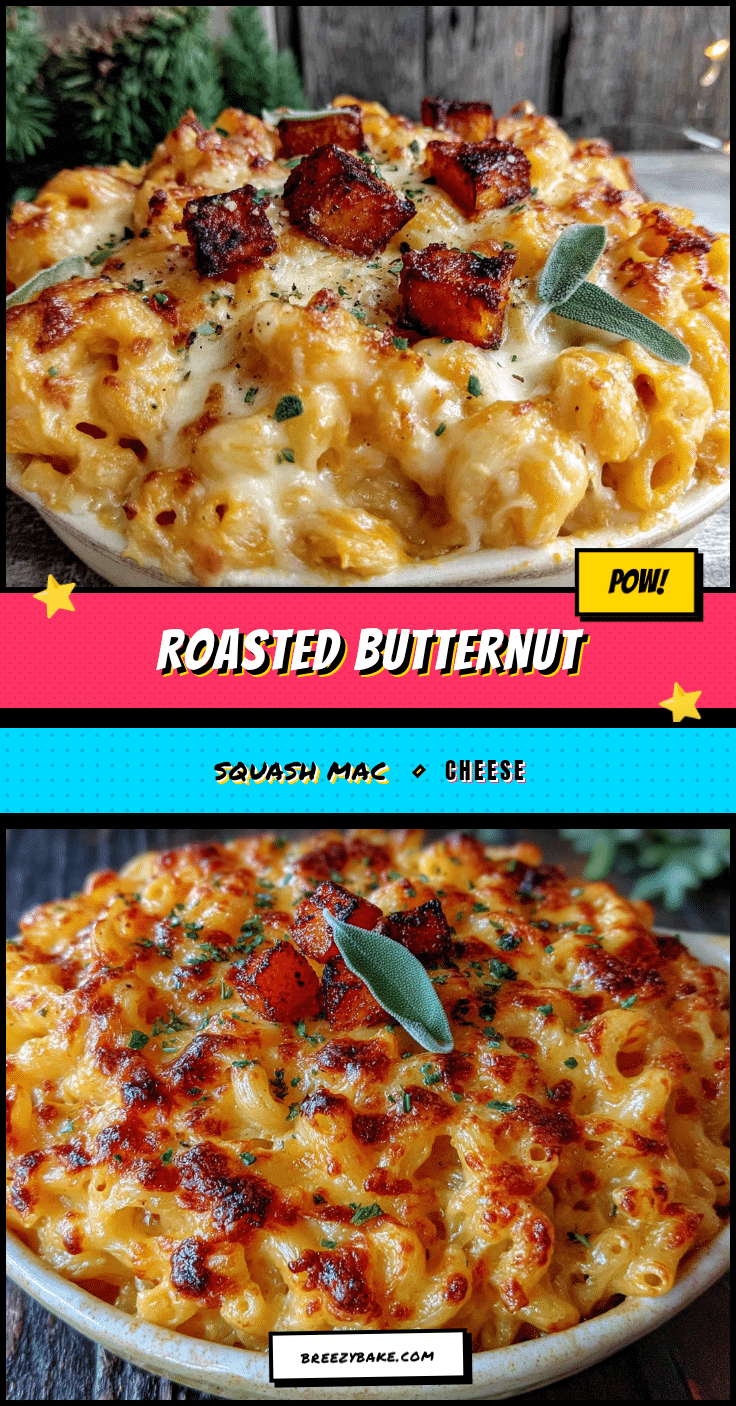
Quick Roasted Butternut Squash Mac and Cheese

A creamy, comforting mac and cheese made with roasted butternut squash for a velvety sauce that’s ready in 30 minutes. Perfect for busy weeknights, this recipe is a healthier twist on a classic favorite.
- Prep Time: 10 minutes
- Cook Time: 20 minutes
- Total Time: 30 minutes
- Yield: 4 servings 1x
- Category: Main Course
- Cuisine: American
Ingredients
- 1 medium butternut squash (about 2–3 cups cubed)
- 8 oz elbow macaroni (about 2 cups dry)
- 2 tablespoons unsalted butter
- 2 tablespoons all-purpose flour
- 1 cup whole milk
- 1/2 cup vegetable broth
- 1 cup sharp cheddar cheese, shredded
- 1/4 cup Parmesan cheese, grated
- 1/2 teaspoon garlic powder
- 1/2 teaspoon onion powder
- Salt and black pepper to taste
- 1/8 teaspoon nutmeg (optional)
- 1/4 cup breadcrumbs for topping (optional)
Instructions
- Preheat your oven to 400°F (200°C). Line a baking sheet with parchment paper or foil.
- Prep the squash: Peel, seed, and cube into 1-inch pieces. Spread on baking sheet, drizzle with 1 tablespoon olive oil, and sprinkle with salt and pepper. Toss to coat.
- Roast the squash for 20-25 minutes, tossing halfway, until fork-tender and lightly browned.
- While squash roasts, cook pasta: Bring a large pot of salted water to a boil. Cook macaroni according to package directions until al dente (about 7-8 minutes). Drain and set aside (do not rinse).
- Make squash puree: Transfer roasted squash to a blender. Add 1/2 cup vegetable broth and blend until completely smooth. Set aside.
- Start cheese sauce: In a medium saucepan, melt butter over medium heat. Whisk in flour and cook for 1 minute, stirring constantly.
- Slowly add milk while whisking constantly. Continue whisking until mixture thickens, about 2-3 minutes.
- Stir in squash puree until fully combined. Add garlic powder, onion powder, nutmeg (if using), and a pinch of salt and pepper.
- Reduce heat to low. Add shredded cheddar and grated Parmesan a handful at a time, stirring until each addition is fully melted before adding the next.
- Add cooked pasta to the saucepan and stir until every piece is coated. If sauce is too thick, add a splash of milk or broth.
- Serve immediately. For a crunchy top, transfer to a baking dish, sprinkle with breadcrumbs, and broil for 2-3 minutes until golden.
Notes
Don’t skip roasting the squash—it concentrates flavor and prevents a watery sauce. Shred your own cheese for the smoothest melt. Keep heat low when adding cheese to avoid graininess. Season in layers for best flavor. Leftovers can be stored in an airtight container in the fridge for up to 4 days; reheat on stovetop with a splash of milk.
Nutrition
- Serving Size: 1 serving
- Calories: 420
- Sugar: 8
- Sodium: 580
- Fat: 18
- Saturated Fat: 10
- Carbohydrates: 52
- Fiber: 6
- Protein: 16
Keywords: butternut squash mac and cheese, quick mac and cheese, healthy mac and cheese, 30-minute recipe, vegetarian mac and cheese